MODERN BRITAIN is defined by its diversity of communities, cultures and faiths, senior Asian politicians and business figures have told Eastern Eye, as former prime minister Rishi Sunak cautioned against defining British or English identity by ethnicity or skin colour.
Being British as well as Asian, Hindu, Muslim or Sikh are not contradictory, rather they complement each other, a Conservative peer said, while another member of the Lords asserted the ability to celebrate the different contradictions is a privilege for every Briton.
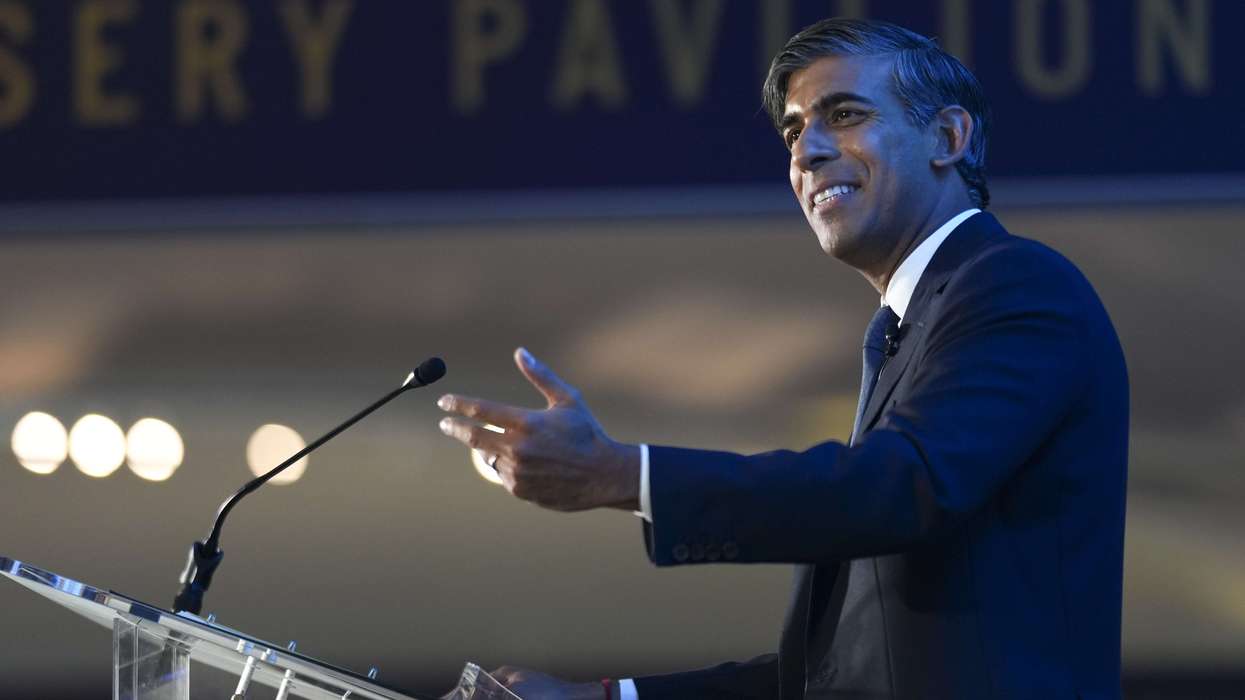
Their reactions came as Sunak cautioned last weekend it was a risk to “start equating skin colour with nationality”.
Writing in The Sunday Times (20), the former Conservative prime minister said, “Attempting to deny people their Englishness or Britishness because of the colour of their skin is a recipe for alienation, for a two-tier society.”
It is not the first time Sunak has defended his identity as an Englishman. Earlier this year, he called himself British, English and British Asian after podcaster Konstantin Kisin claimed Sunak was not English, because he was a “brownskinned Hindu”.
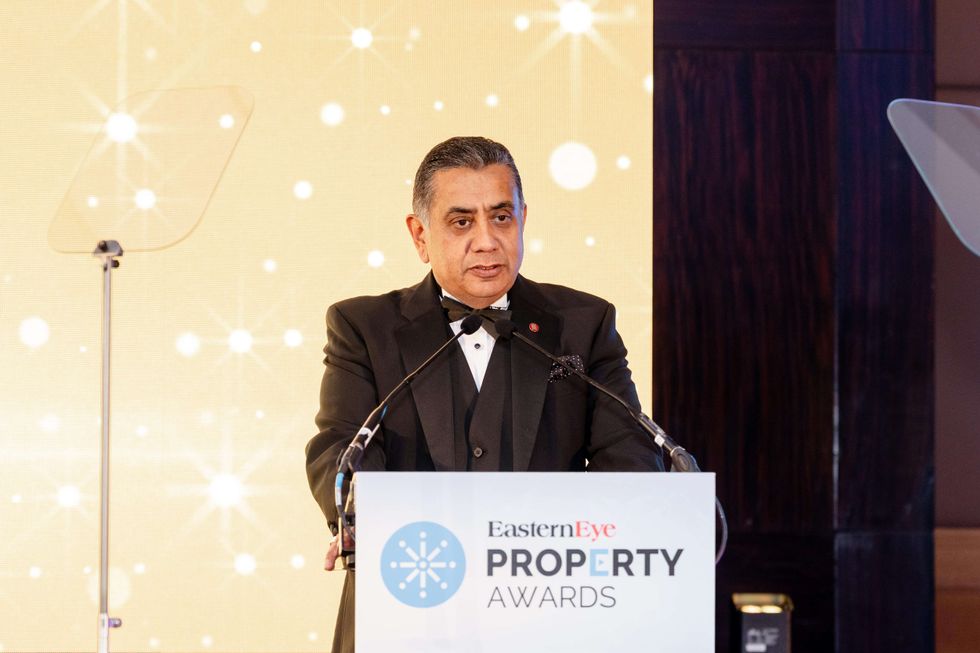 Lord Tariq AhmadEastern Eye
Tory peer Lord Tariq Ahmad said on Tuesday (22), “It’s sad what we’re seeing at the moment and borderline tragic that there are some, not just in England, but across the UK, are seeking to use colour, your religion, or indeed your cultural heritage as a means to divide, and we’ve got to stand up to that.”
He told Eastern Eye, “I agree with Rishi… someone’s passion for their nation should not be judged by the colour of their skin or their face or community.”
Labour’s Lord Krish Raval recently hosted an event celebrating Raksha Bandhan in parliament for the armed forces in Britain. He said, “I pointed out that for the Hindu soldier, (serving) his or her country, Britain, is a form of divinity. So if you’re prepared to serve your country, fight for your country, worship your country, and reform your country, and ultimately die for your country, then it is really not to say it’s not your country, especially if your passport tells you it is.”
Acknowledging he differed with Sunak on immigration policy, the Labour peer said he agreed with the essence of Sunak’s views on identity.
However, Lord Raval added, “We’re living in an age of identitarianism, where there is a temptation for people to dissemble, to divide, to pit one against another, and that is the opposite of what I think Britishness is.
“There is a huge tradition of coming together, and disagreeing well is such an important ethos, and that’s the only thing Rishi missed – is that we do not have a sort of monochrome, mono something approach to our polity or our pluralism.
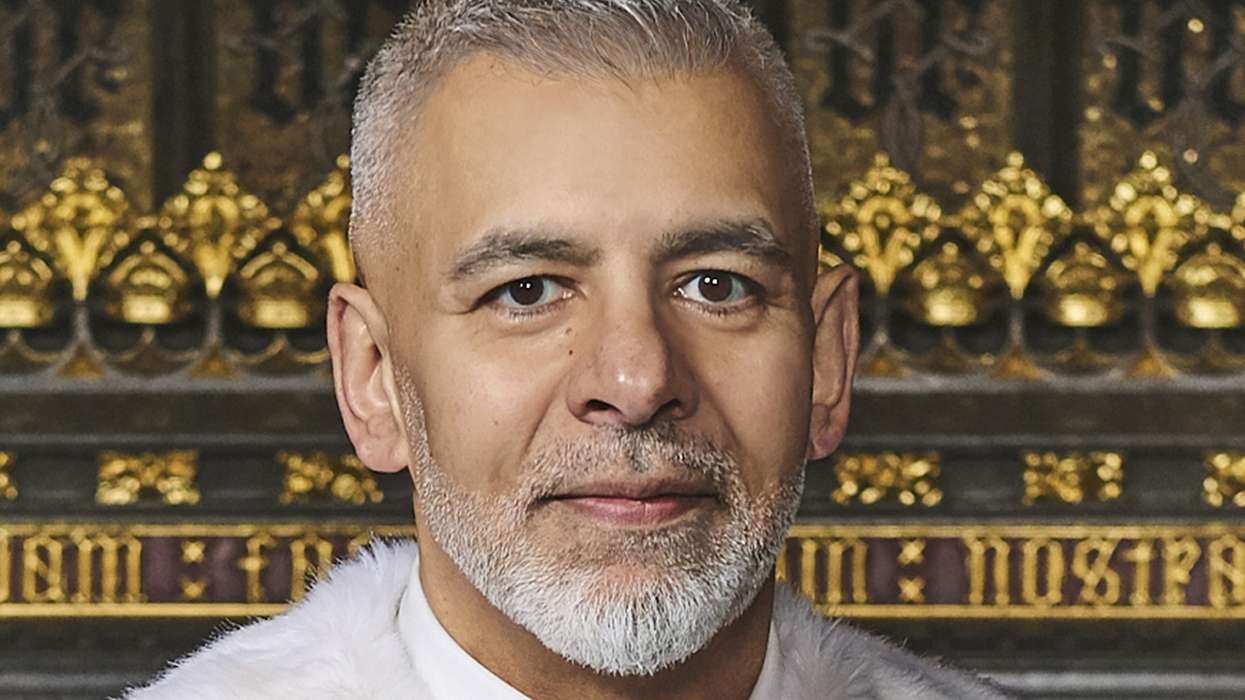 Lord Krish Raval Lord Krish Raval
“We can disagree in all sorts of ways, but ultimately we come together within the boundaries of the democratic principles that underpin our society.”
At a Lord’s lecture last week, Sunak also spoke about a “reverse Tebbit test” and highlighted the unifying power of sport, especially cricket, describing it as “the shared passion of my largely white rural constituents in the Dales and inner-city British Asian kids in Bradford”.
The game is “a bridge that can draw people together in spite of the many forces trying to drive them apart”, Sunak said.
Labour MP Gareth Thomas, who represents Harrow West in north London, a constituency with a substantial south Asian population, told Eastern Eye on Tuesday (22), “I don’t agree with Rishi Sunak on much, but I do agree with him on that [identity].
“It’s very much where you grew up that affects your identity, not the colour of your skin.”
He said, “We should all be proud of our past and our heritage, as well as wanting to engage with the people around us in our schools, colleges, universities and where we live locally.
“It doesn’t have to be a tension between where we are living and our national identity, and the background of our parents or other parts of our background.”
Lord Ahmad, who was born and bred in the UK as the son of immigrants from the subcontinent, recalled experiencing racism as a young person, but said “you had to be resilient against that and demonstrably show that you were proud of who you were and what you are”.
He explained how his father arrived in Scotland after the Partition of India and Pakistan as a young man in his early 20s.
“He worked on the railways, but he came with three defining principles, which my grandfather, who actually taught English in India, instilled in him,” Lord Ahmad said.
 Pavita CooperEastern Eye
“One was get to know and be part of the country, understand the culture, be true to your principles, and serve your nation, and that’s what my father did.
“He studied English. He assimilated into society through sports club, etc. He learnt about culture and history. He used to help out in care homes in Glasgow when he first arrived in the early 1950s, and that demonstrably showed a proactive nature to get engaged and integrated, but also being true to who you were and the principles you stood for.”
Britain today is defined by the diversity of different faiths and communities, the peer said, and added, “It’s important that those who come to the United Kingdom on legitimate grounds, on a legal basis, need to be empowered through language, because that’s fundamental to aid integration into our country.”
Lord Raval spoke of the importance of giving and philanthropy, saying “if that was the ethos of every community, then that would really help”.
“The common thread is one’s reciprocity to one’s country, one’s continual patriotism, giving back in all the many ways that one gives back,” he said.
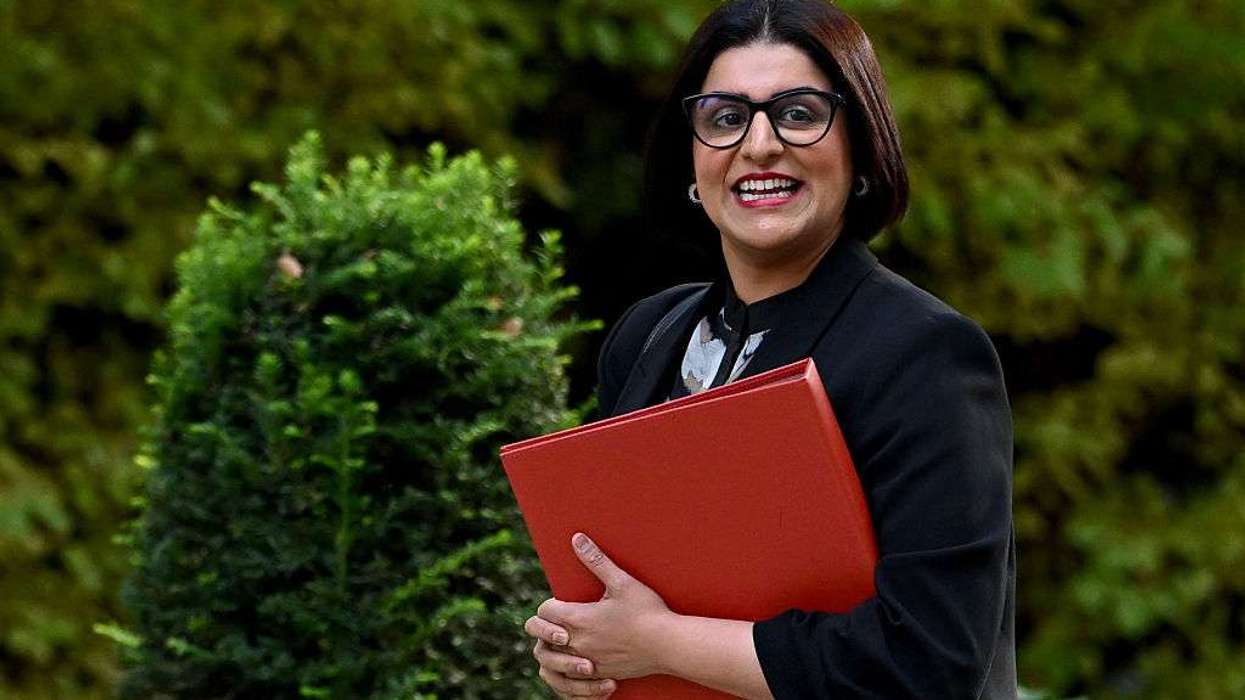
Former equalities minister Seema Malhotra has called for an “open and honest conversation” about racism in Britain, warning that hostility based on skin colour is becoming increasingly mainstream.
Malhotra, Labour MP for Feltham and Heston, said the debate over immigration was moving away from legitimate concerns about border security and illegal migration and towards racial discrimination.
“The racism we are now seeing is not about immigration,” she told Eastern Eye. “It is seeing the clock rolled back to discrimination and hostility on the basis of the colour of your skin.”
She said concerns about controlling Britain’s borders were shared across the country, including by diaspora communities, but argued that racism should not be confused with those concerns.
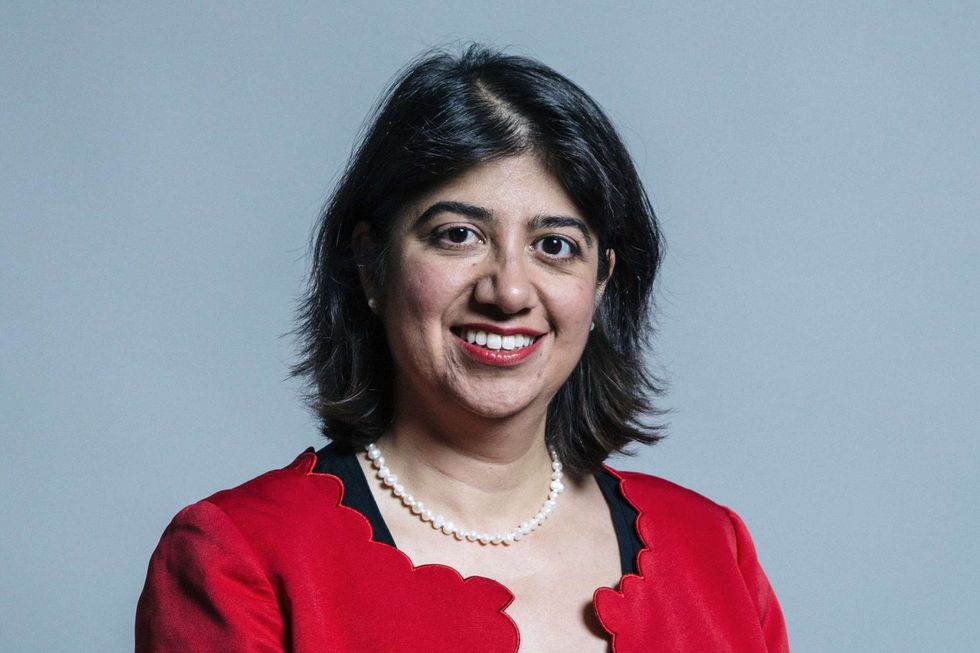 Seema MalhotraUK Parliament
“In recent years, I have seen it on the rise in our local community as well as across the country,” she said.
“What began in the extreme is now increasingly mainstream.”
Malhotra said Britain must not take progress on racial equality for granted.
Her comments come after the country marked 60 years since the first Race Relations Act, introduced in 1965 to address racial discrimination.
She said the anniversary was a reminder of the progress made, but also of the need to protect the values of fairness and equality.
“We must never take progress for granted,” Malhotra said.
She added that Britain needed to renew its commitment to equality as it defended the values it was known for around the world.
“Britain must renew its commitment to fairness and equality for all, in the interests of all of us,” she said.
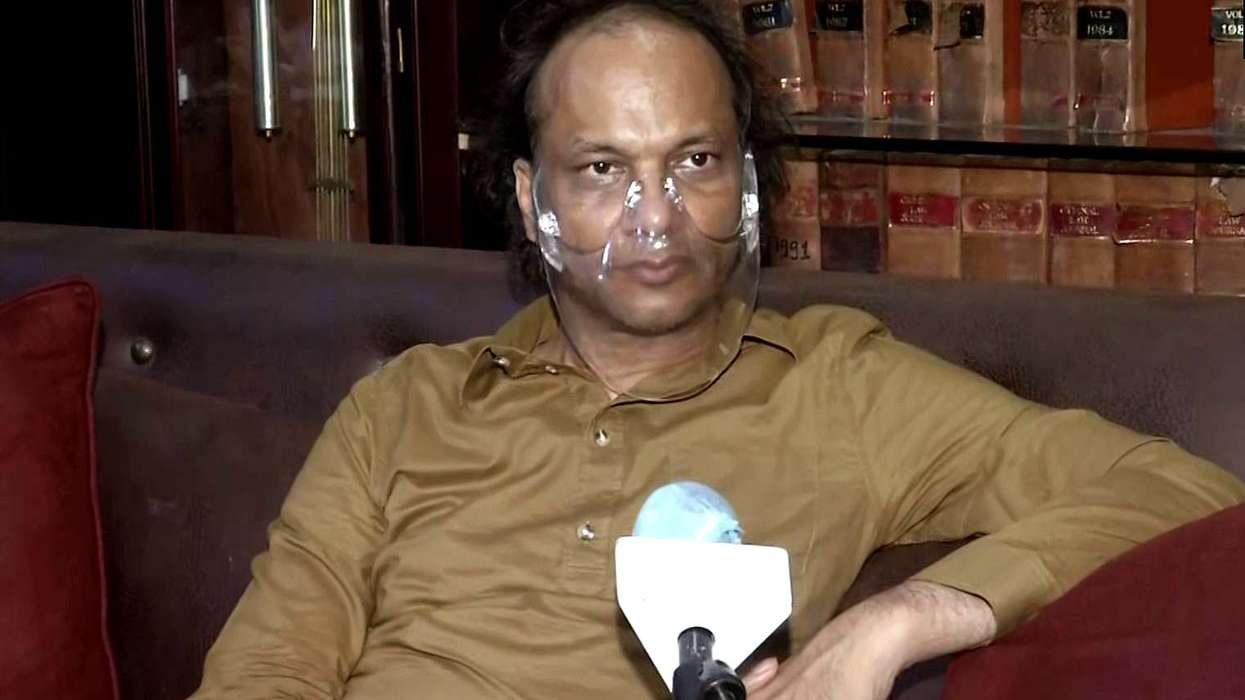
Technology entrepreneur Herman Narula argued that Britain’s history, institutions and modern society have been shaped by generations of people from different backgrounds.
Narula said it was “completely outrageous” that a former British prime minister should have to explain his English identity, adding that the discussion showed how far arguments about race and belonging had moved.
“My grandmother was born a British subject: a legal one, with the Crown on her paperwork,” Narula, co-founder and CEO of Improbable, said. He pointed to the role of Indians in Britain’s history, particularly during the two World Wars and the period of the British Empire.
India, he noted, was central to the British Empire for two centuries, while about 2.5 million Indians volunteered to serve during the Second World War.
The young entrepreneur highlighted the story of Naik Fazal Din, a Muslim soldier from Punjab who was awarded the Victoria Cross for his actions at Meiktila in Burma in 1945.
Fazal Din fought Japanese troops after being wounded with a sword, killed a Japanese officer and continued fighting before returning to report what had happened. He later died from his wounds.
Narula said such stories raised fundamental questions about attempts to use ancestry to define who belongs in Britain.
Narula also pointed to the influence of Indian languages and culture on everyday British life.
He cited words including “purdah”, “veranda” and “pyjamas”, which have entered English from Indian languages, while also pointing to the popularity of curry in Britain.
According to him, history could not simply be separated from the people who came from India and other parts of the former empire. “Britishness is not a bloodline, but a set of institutions, a shared history, and, above all, the people who actually turn up and build the place,” he said.
Narula also referred to his own contribution through his technology business and his work supporting the UK military.
He criticised commentators who, he said, questioned the British identity of people because of their appearance or background.
For Pavita Cooper, newly-installed as the chair of the British Fashion Council, the question of belonging is closely connected to both family history and personal experience.
Born and brought up in London, Cooper said she was proud of being British while also being openly Indian and Sikh.
“I love the United Kingdom; I wouldn’t want to live anywhere else – I am immensely proud to be British,” she said.
Cooper said Britain had welcomed her parents when they arrived in the 1960s and provided them with opportunities to build successful lives. That experience, she said, ultimately gave her and her sister the opportunity to succeed. But she also stressed that her Indian identity remained an important part of who she is. “I am ethnically Indian; this is obvious to anyone who meets me, because of my name, the colour of my skin and my lived experience,” she said.
She said she had previously buried memories of the fear and trauma experienced while growing up in the 1970s. More recently, she said, seeing St George’s flags being displayed across towns and cities had brought some of those memories back.
“These flags are a message to people like me; you don’t belong here,” she said. “All those painful memories come flooding back, it’s visceral.”
 Herman Narula www.easterneye.biz
At the same time, Cooper said her understanding of Britain was shaped by the welcome her parents received when they arrived in the East End of London.
She said most British people were open-minded and tolerant and argued that Britain should continue working to widen access to opportunities.
Her work in British business, she added, was driven in part by a desire to improve access and representation.
The wider discussion has also prompted comment from Thangam Debbonaire, a member of the House of Lords, who told the BBC’s Today programme on Monday (21) that politicians needed greater clarity about concepts such as integration and British values.
Debbonaire said values including democracy, the rule of law and fairness should apply equally to everyone, including British-born citizens.
She also criticised racism directed at people because of their ethnicity, saying it should not be regarded as a British value.
Debbonaire argued that immigration rules could also have unintended consequences, including creating workforce shortages in sectors that had relied on overseas workers.
She cited nurses as an example, saying people recruited to fill gaps in essential services should not subsequently be told they had failed to integrate.
In her opinion, government policies and the way immigration rules were implemented needed to be examined when they contributed to racial division.