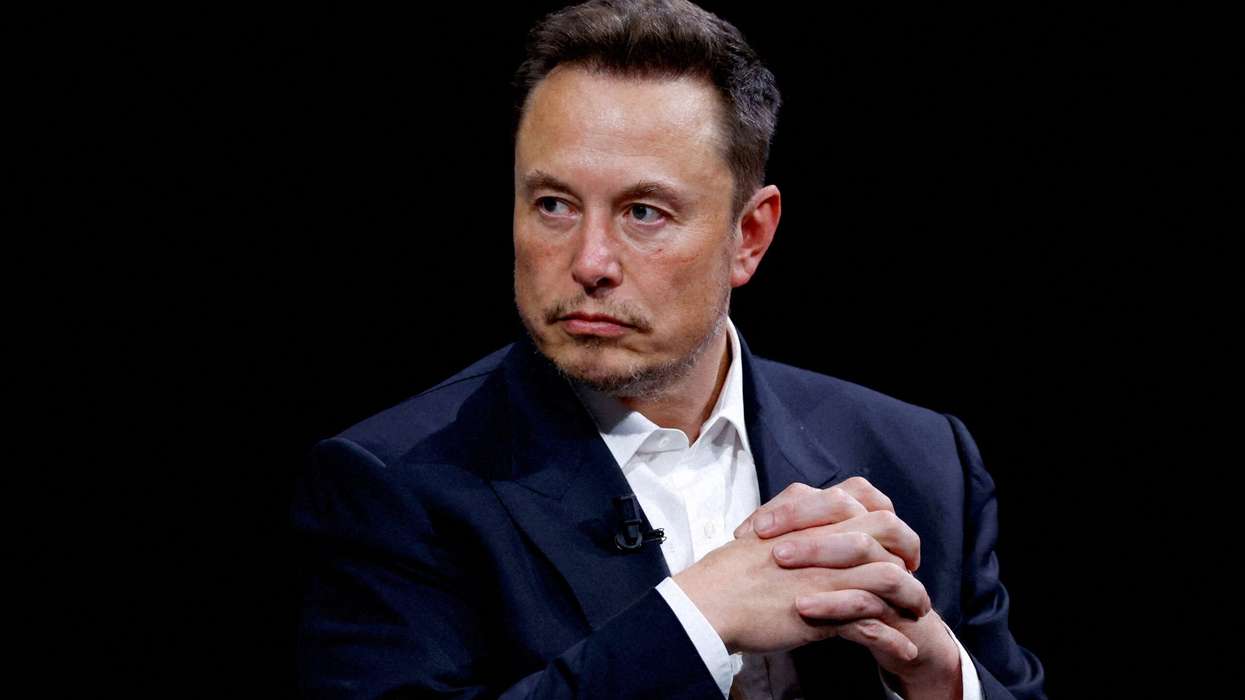

- SpaceX and Tesla shares have tumbled after a strong post-IPO rally, pulling Elon Musk's net worth below the trillionaire mark.
- Musk's fortune at £710 billion ($946 billion), down from more than £830 billion ($1.11 trillion) less than two weeks earlier.
- Analysts say the decline reflects a broader technology sell-off rather than company-specific problems.
Elon Musk net worth has fallen below the trillionaire mark after a sharp decline in SpaceX stock and Tesla shares wiped hundreds of billions from the billionaire's paper wealth, underscoring how quickly fortunes tied to the stock market can change.
According to the Bloomberg Billionaires Index, Musk's wealth stood at around £718 billion ($957 billion) on Thursday (24) before slipping further to about £710 billion ($946 billion) a day later. The drop comes less than two weeks after he became the world's first trillionaire following SpaceX's blockbuster stock market debut.
From historic milestone to market reality
Musk crossed the trillion-dollar threshold on June 12 after SpaceX launched its long-awaited initial public offering. The stock was priced at $135 (£101) per share and opened at $150 (£112), valuing the space company at more than $1.77 trillion (£1.33 trillion). With an estimated 42 per cent stake in SpaceX, combined with his Tesla holdings, Musk's net worth briefly climbed beyond $1 trillion (£751 billion).
Investor enthusiasm pushed SpaceX shares to an intraday high of $225.64 (£169) on June 16, lifting Musk's fortune to around $1.32 trillion (£991 billion), although some estimates placed it even higher depending on how unvested Tesla shares were valued.
The rally proved short-lived. SpaceX shares have since fallen by more than 30 per cent from their June peak and were trading at around $156 (£117) after around $600 billion (£451 billion) in market value was wiped from the company during the broader technology sell-off. Tesla shares also declined by nearly 6 per cent, adding to the losses.
More than just a SpaceX story
Market analysts have linked the decline to growing concerns over a potential artificial intelligence investment bubble and expectations that interest rates in the US could remain higher for longer. Technology shares came under pressure across the board, with semiconductor companies among the worst affected. The Nasdaq Composite fell 2.2 per cent, while the semiconductor index dropped 7.9 per cent during the latest market correction.
Regulatory filings ahead of the IPO also drew attention to SpaceX's finances. The company disclosed a $4.9 billion (£3.7 billion) deficit for 2025, while its artificial intelligence division reportedly spent $12.7 billion (£9.5 billion) on capital investment. Investors are also watching the expiry of the IPO lock-up period, when early investors and employees will be allowed to begin selling their shares.
Danni Hewson, head of financial analysis at AJ Bell, reportedly said that large price swings are not unusual for newly listed companies, adding that investors should approach high-growth stocks with patience rather than emotion.
Despite the setback, Musk remains comfortably the world's richest person. Bloomberg's rankings place Larry Page second with about $296 billion (£222 billion), followed by Sergey Brin with $275 billion (£206 billion), Jeff Bezos with $257 billion (£193 billion) and Michael Dell with $223 billion (£167 billion).
Unlike many of the world's wealthiest individuals, Musk's fortune is heavily concentrated in just two companies. Around 80 per cent of his wealth is tied to SpaceX, with most of the remainder linked to Tesla. That also means any recovery in SpaceX's share price could quickly restore his trillionaire status.