
- Hotel prices have jumped by as much as 135 per cent in some Spanish cities.
- Spain expects 460,000 overseas visitors specifically for the eclipse.
- Authorities are deploying 35,000 officers amid wildfire and traffic concerns.
Europe’s hotel rooms are getting noticeably more expensive as tourists race to find the best places to watch the total solar eclipse on Wednesday (12). The event, which will be visible in parts of Iceland and Spain, is the first total solar eclipse fully visible from Europe this century.
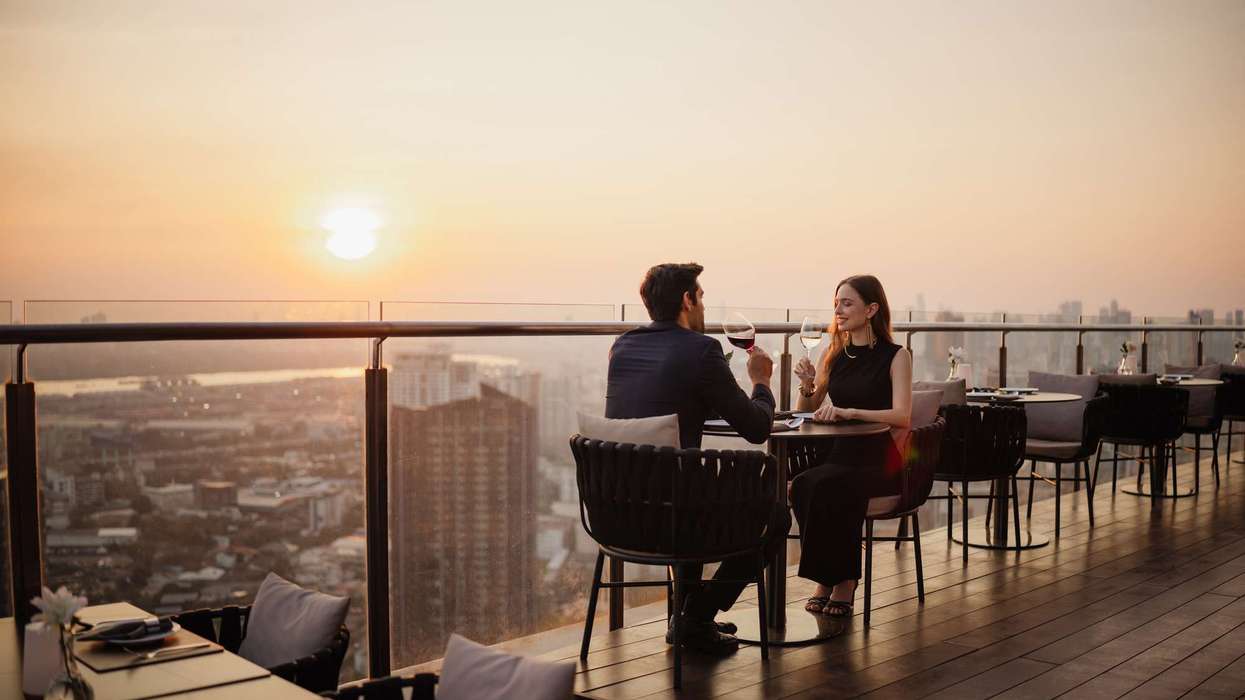
In Reykjavík, one of the few accessible places where the eclipse can be seen in full before evening, the average hotel room for tomorrow is costing about £587. That is 98 per cent higher than the same date last year, according to travel and hospitality data group Lighthouse Intelligence.
Spain is seeing some even steeper increases. In A Coruña, average hotel prices have climbed 135 per cent to about £334, while rates in Bilbao are up 67 per cent. Santiago de Compostela has recorded a 34 per cent increase, while Mallorca prices are about 24 per cent higher at roughly £332.
The rush is not stopping at hotel bookings. Smaller towns and villages along the eclipse path have been filling up for months, with some visitors reportedly arranging home exchanges with residents in Castilla y León, one of the regions expected to offer strong views.
Spain’s finance ministry expects 460,000 overseas tourists to travel specifically for the eclipse. The wider number of people gathering along the viewing route could be much higher, with Spanish authorities preparing for as many as six million people across the country.
A holiday boom meets a wildfire problem
The tourism surge comes at an awkward time for Spain. The country is already dealing with a severe wildfire season, and officials are concerned that a huge increase in traffic and outdoor activity could create additional risks.
Police expect around 1.5 million extra car journeys on the day as visitors move towards viewing locations. With vegetation exceptionally dry, authorities have warned that a discarded cigarette, barbecue or other source of ignition could have serious consequences.
Spain is deploying around 35,000 officers as part of a major safety operation. Parking on hard shoulders or close to dry vegetation has been restricted, while barbecues and fireworks have been banned in affected areas. Valencia has also closed natural parks and restricted access to rural footpaths.
The concern comes against a stark backdrop. About 200,000 hectares have already been burned by wildfires in Spain this year, around six times the area recorded by the same point in 2025. Fires were still burning in Huelva, Segovia and Huesca as preparations for the eclipse continued.
For the tourism industry, however, the event represents a major opportunity, particularly for smaller Spanish towns that do not normally attract large international crowds. Hotels in locations along the eclipse route have been reporting strong demand, with some rooms selling for far more than their usual rates.
And for those who cannot make the journey, NASA has installed four high-powered telescopes in Villalibado in north-west Spain to livestream the event to more than 10 million people.
The UK will see only a partial eclipse. It will reach maximum coverage in London at 7.12pm tomorrow, meaning British viewers will not need to compete for hotel rooms in Spain or Iceland to catch a glimpse.
For those travelling into the path of totality, though, the price of watching the sky go dark is already showing up on the hotel bill.