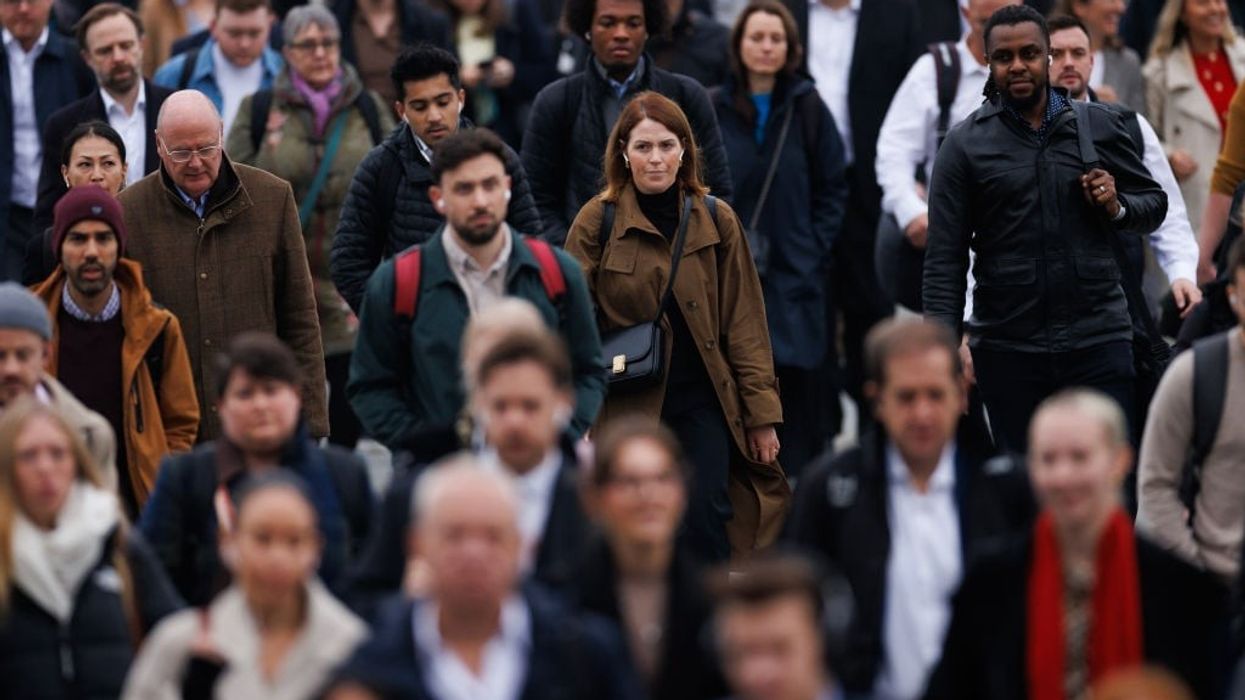

THE UK’s unemployment rate rose to 4.5 per cent in the first quarter of 2025, the highest level since August 2021, according to official figures released on Tuesday.
The Office for National Statistics (ONS) said the figure was up from 4.4 per cent in the three months to the end of February.
The data covers a period before April’s rise in business tax announced in the Labour government’s first budget in October. It also comes before a 10 per cent baseline tariff on the UK and other countries imposed by US President Donald Trump last month.
“The broader picture continues to be of the (UK) labour market cooling, with the number of employees on payroll falling in the first quarter of the year,” said Liz McKeown, ONS director of economic statistics.
“Wage growth slowed slightly in the latest period but remains relatively strong, with public and private sectors... showing little difference,” she added.
Analysts said the figures could lead the Bank of England to cut interest rates twice more this year, after two reductions earlier in 2025.
“While the jobs market weakened further, this isn't feeding through to a marked easing in pay growth,” said Ruth Gregory, deputy chief UK economist at Capital Economics.
“That will probably keep the Bank of England cutting interest rates at the current pace of once every quarter.”
She added, “Further softening in employment in April suggests businesses continued to respond to the rise in business taxes and the minimum wage by reducing headcount.”