
- More than 200 delegates attended AyurFest 2026 in the UK.
- Discussions focused on integrative healthcare, cancer care, longevity and public health.
- Experts explored how Ayurveda could fit into wider healthcare conversations.
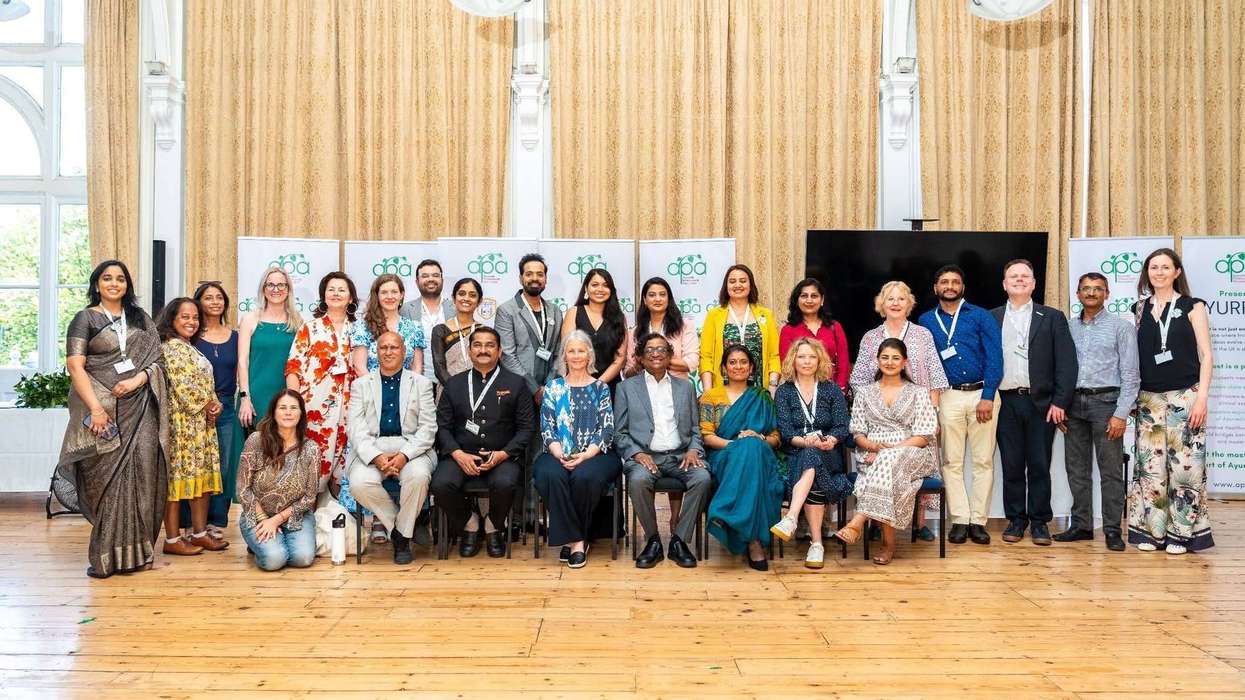
AyurFest 2026, organised by the Ayurvedic Professionals Association UK (APA UK), has concluded after bringing together healthcare professionals, researchers, students and wellness organisations for discussions on the future of Ayurveda and integrative healthcare in the UK.
The Ayurveda conference attracted more than 200 delegates from across the UK and overseas, reflecting growing interest in integrative medicine and the role traditional healthcare systems could play alongside conventional medical approaches.
The event featured presentations, panel discussions and networking sessions covering topics ranging from cancer care and longevity to lifestyle medicine, research and public health.
Representatives from universities, healthcare providers, research organisations and professional bodies took part in the discussions, which focused on how different healthcare disciplines might work together to address evolving patient needs.
Organisers said the conference also created opportunities for professionals to exchange ideas, explore research collaborations and discuss the place of evidence-based traditional healthcare practices within modern healthcare systems.
A wider conversation around Ayurveda
A key theme throughout the event was the growing interest in Ayurveda as part of broader conversations around prevention, wellbeing and patient-centred care.
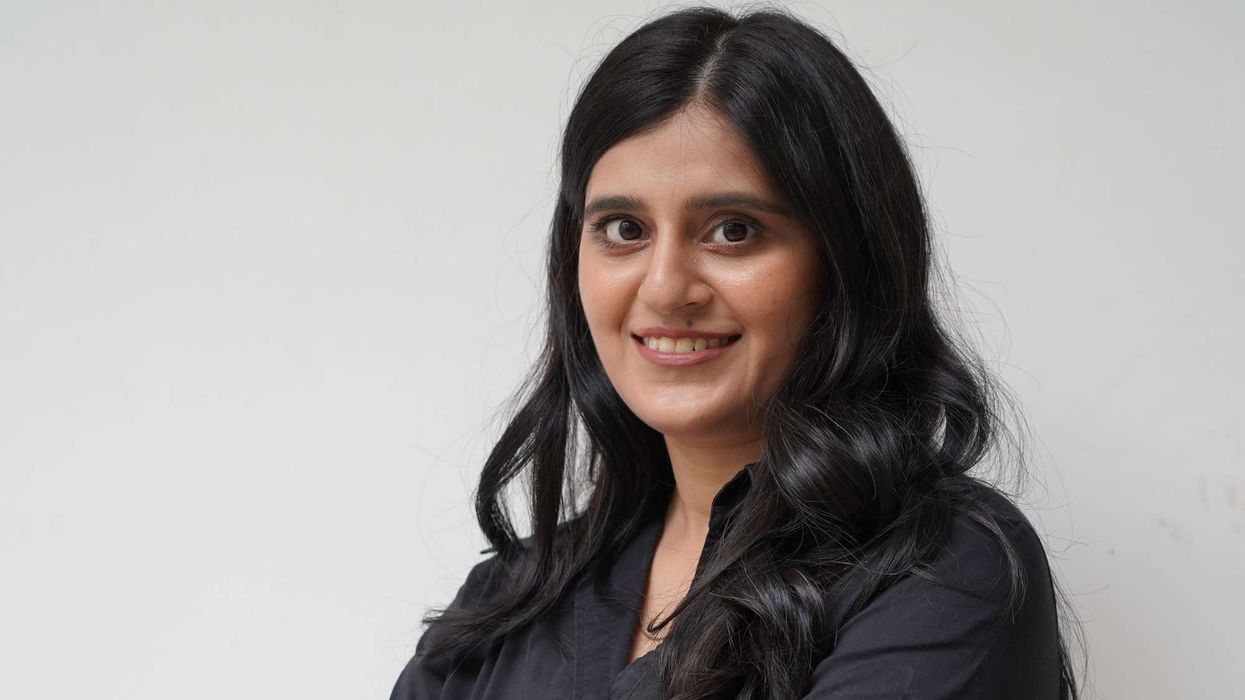
Dr Kanchan Sharma, President of APA UK, said Ayurveda should be viewed as a complete system of health rather than solely as a complementary therapy. She highlighted the importance of research, education and collaboration in helping Ayurveda become part of wider healthcare discussions in the UK.
The conference also featured exhibitors showcasing products, services and educational initiatives linked to the Ayurveda and wellness sectors.
While Ayurveda continues to generate debate within mainstream healthcare, the discussions at AyurFest 2026 suggested there is increasing interest in exploring how traditional health practices and modern medical systems could work alongside one another. Participants also examined the challenges, opportunities and research needed to support greater integration in the years ahead.