
Highlights
- Oura has unveiled the Ring 5 ahead of its expected IPO later this year
- The company says the new device is 40% smaller than the previous model
- Oura has sold 5.5 million rings worldwide and generated £740 million in revenue in 2025
Oura shrinks its smart ring as wearable market grows
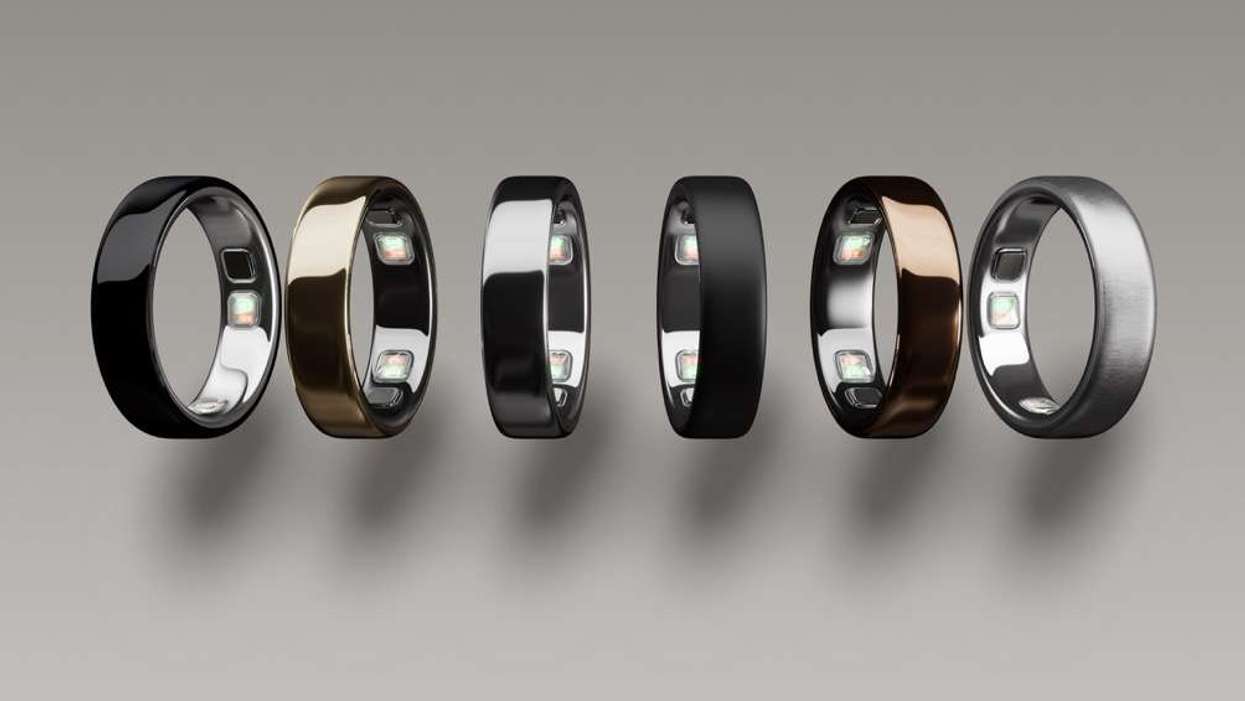
Oura has launched the Ring 5, describing it as the world’s smallest smart ring as the company prepares for a highly anticipated IPO later this year.
The new wearable is 40% smaller than the previous Ring 4 model and measures just 2.28mm thick, while also offering improved battery life. The company said the device is designed to deliver detailed health tracking in a form that feels closer to jewellery than traditional technology.
According to Oura’s chief product officer Holly Shelton, the Ring 5 is intended to blend seamlessly into daily life while expanding the company’s health-monitoring capabilities. The ring focuses on sleep, stress, heart health and overall readiness, areas that helped establish Oura as one of the leading names in the smart ring market.
The Ring 5 will start at £399 when it launches on 4 June and also requires a monthly subscription costing £5.99.
From Kickstarter startup to £8.1bn wearable company
Founded in Finland in 2013 by former Nokia and Polar engineers, Oura helped pioneer the smart ring category long before larger technology companies entered the space. Its first-generation device launched through Kickstarter in 2015, where it raised more than £480,000.
Since then, the company has sold 5.5 million rings across more than 150 countries and now has around five million paying subscribers. Revenue reportedly quadrupled over the past two years, reaching £740 million in 2025, while the company’s valuation has climbed to around £8.1bn ahead of its planned stock market debut.
Although the smart ring market remains far smaller than the smartwatch industry, analysts say demand has accelerated rapidly. Research from FDM CCS Insight estimated that four million smart rings were shipped in 2025, with the category more than doubling in size in each of the past two years.
Oura has also expanded far beyond its Finnish roots, employing more than 1,200 staff across offices in Helsinki, London, Los Angeles, San Diego, San Francisco and Oulu.
Celebrity backing and women-focused features fuel growth
Part of Oura’s rise has been driven by celebrity attention, with high-profile users including Jennifer Aniston, Gwyneth Paltrow, Kim Kardashian and Prince Harry helping raise the company’s profile.
Analysts say Oura’s focus on sleep tracking and user-friendly health insights has separated it from rivals in the wearable sector. Ben Wood of FDM CCS Insight said the app experience and continuous software updates helped justify the subscription model, noting that members wear the rings for an average of 23.5 hours a day.
Wood also pointed to Oura’s focus on women’s health features, including cycle tracking, menopause insights and body temperature monitoring, saying the company appeared to take a more female-focused approach than many technology rivals.
Alongside the Ring 5 launch, Oura is also expanding into preventative healthcare software. New features include a health radar system designed to identify potential issues such as blood pressure concerns and sleep breathing interruptions before symptoms become more obvious.