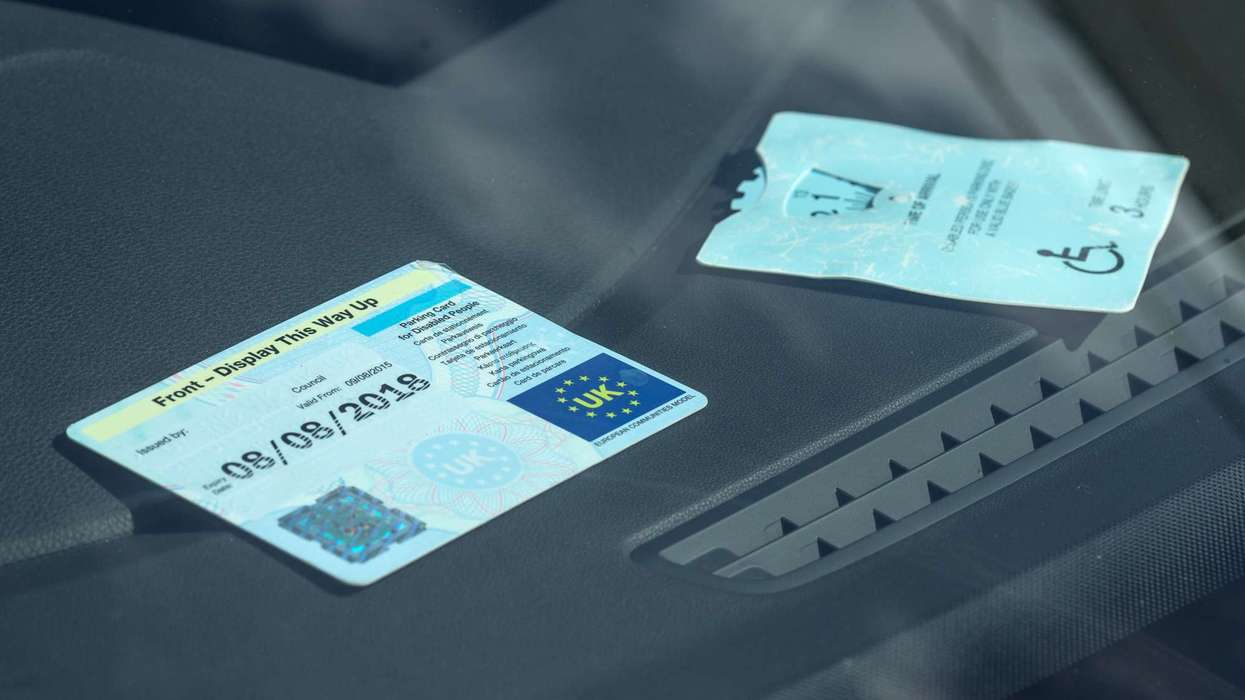

Highlights
- Blue badge approvals for hidden disabilities rose to 55,000 in 2025 from 18,000 in 2021.
- Social media shows tips on getting badges for ADHD and anxiety.
- Experts say the system meant for mobility issues is being misused.
Councils handed out 55,000 blue badges for hidden disabilities in last year, compared to 18,000 in 2021.
The increase follows rule changes in 2019 that opened up applications to people with conditions including dementia, Parkinson's and arthritis, but also extended to those with anxiety and other mental health conditions.
Videos on social media now show people openly sharing tips on how to get blue badges for ADHD or anxiety, with some encouraging parents of anxious or autistic children to apply.
The badges allow holders to park on double yellow lines for up to three hours and offer exemptions from congestion charges and road tolls.
Rising concern over applications
In one video, a woman with ADHD said she received a badge after applying "on a whim" and called it a "life-saver" because parking was stressful.
After criticism, she posted an apology but then offered to create a guide with "tips and tricks" for successful claims.
Dr Becky Spelman, a psychologist with ADHD, warned that approving badges for such conditions risks blurring the line between accommodation and advantage.
"While I understand the neurobiological deficits associated with the condition, I personally would never apply for a blue badge.
To do so would feel like an abuse of a system designed for those with more profound, visible, or life-altering mobility limitations," she told The Telegraph.
An NHS report last year found one in 20 adults thought they had ADHD, though only 1.8 percent had been clinically diagnosed.
Applicants must qualify by having a severe disability making walking impossible or very difficult, including being unable to walk more than 50 metres, or having a non-visible disability. Councils ask for evidence such as medication, doctor's notes or diagnosis.
A Department for Transport spokesman told The Telegraph that ADHD diagnosis does not automatically qualify someone for a badge.
"Eligibility is based on how a condition affects a person's ability to get around, not on a diagnosis alone," he said.