
Skip to content
Search

Latest Stories

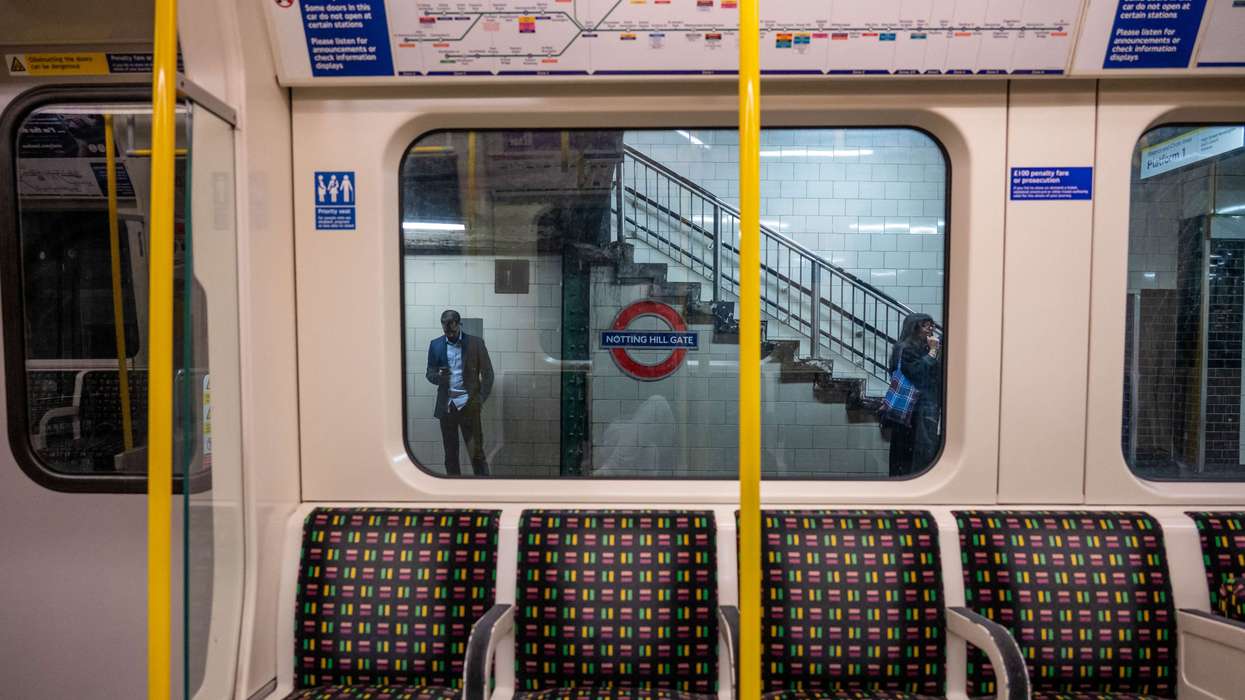
Tube strikes to go ahead after talks fail over four-day week dispute

Transport for London (TfL) said the strikes were “disappointing” and maintained that drivers could remain on a five-day working pattern.

Tube strike

The first 24-hour strike will begin at 12:00 BST on Tuesday and continue until 10:59 BST on Wednesday.

Getty Images

LONDON Underground drivers are set to strike this week after talks failed in a dispute over the voluntary introduction of a four-day week with condensed hours.

Members of the Rail, Maritime and Transport (RMT) union voted against the changes, calling it a “fake four-day week that amounts to five days’ work compressed into four”.


Transport for London (TfL) said the strikes were “disappointing” and maintained that drivers could remain on a five-day working pattern, BBC reported.

The first 24-hour strike will begin at 12:00 BST on Tuesday and continue until 10:59 BST on Wednesday.

A second strike will run from 12:00 BST on Thursday until 10:59 BST on Friday.

TfL said all London Underground lines were likely to be affected, with disruption continuing into the afternoons and evenings. Other TfL services, including the London Overground, Elizabeth line, DLR, buses and trams, are expected to operate but will be busier than usual.

No service is expected on the Circle and Piccadilly lines, the Metropolitan line between Baker Street and Aldgate, and the Central line between White City and Liverpool Street, BBC reported.

Aslef accepted the proposals, saying they would give drivers an extra 35 days off a year “in return for some fairly minor changes to working conditions”.

An Aslef spokesperson said: “It will be the first strike in the history of the trade union movement designed to stop people having a shorter working week and more time off.”


More For You

Councils issue 55,000 blue badges for 'hidden disabilities' as applications triple

The badges allow parking on double yellow lines for up to three hours and exemptions from congestion charges and tolls

iStock

Councils issue 55,000 blue badges for 'hidden disabilities' as applications triple

Highlights

  • Blue badge approvals for hidden disabilities rose to 55,000 in 2025 from 18,000 in 2021.
  • Social media shows tips on getting badges for ADHD and anxiety.
  • Experts say the system meant for mobility issues is being misused.
The number of blue badges issued for 'hidden disabilities' has jumped threefold in recent years, raising concerns that parking permits meant for people with severe mobility problems are being obtained by those with anxiety and ADHD.

Councils handed out 55,000 blue badges for hidden disabilities in last year, compared to 18,000 in 2021.

The increase follows rule changes in 2019 that opened up applications to people with conditions including dementia, Parkinson's and arthritis, but also extended to those with anxiety and other mental health conditions.

Keep ReadingShow less