
- UK retail sales volumes fell 1.3 per cent in April, the sharpest monthly decline since May 2025.
- Fuel sales plunged 10.2 per cent as motorists reportedly cut back on journeys and delayed filling up.
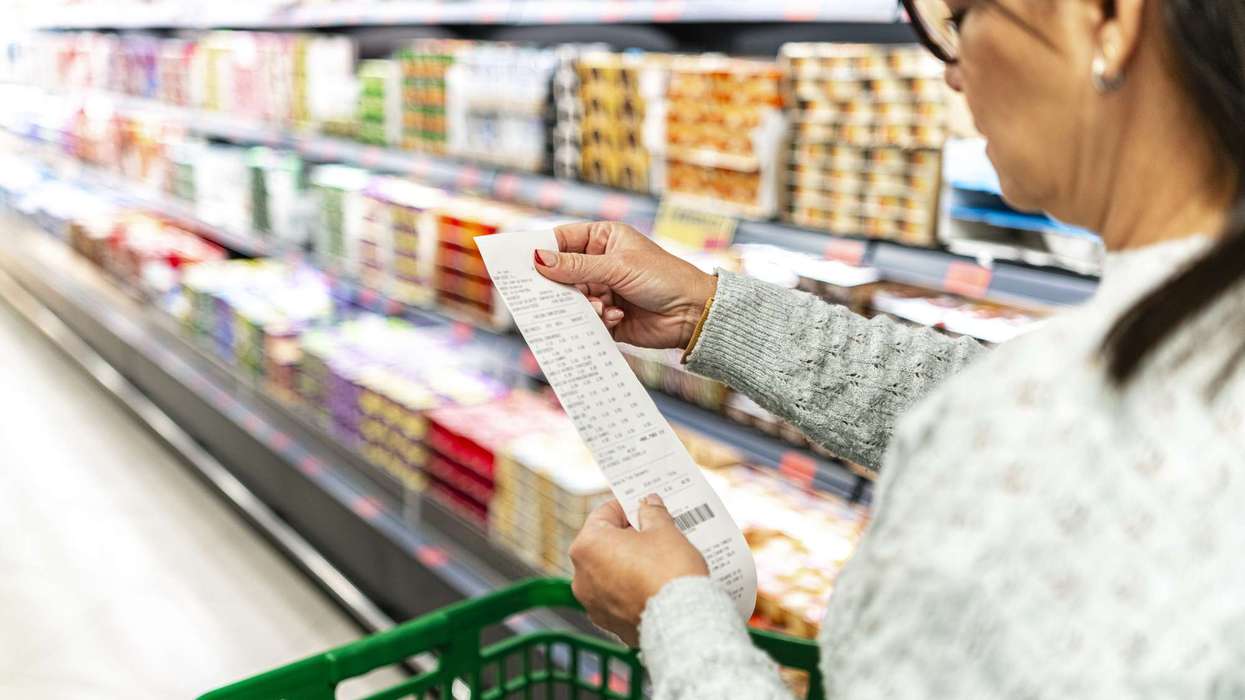
- Clothing retailers also struggled, with shoppers pulling back amid higher prices and unpredictable weather.
Britain’s retail sector saw its steepest monthly slowdown in almost a year in April, with rising petrol and diesel prices appearing to push consumers into cutting back on fuel purchases and discretionary shopping.
According to the Office for National Statistics (ONS), total retail sales volumes across Great Britain fell by 1.3 per cent in April compared with March. The drop was sharper than economists had expected and marked the biggest monthly fall since May 2025. The figures add to growing concerns around UK consumer spending, retail sales and the wider impact of higher living costs linked to the Middle East conflict and energy prices.
The sharpest decline came from motor fuel sales, which plunged 10.2 per cent during the month. It was the biggest fall in fuel purchases since November 2020, when pandemic lockdown restrictions heavily reduced travel.
The slowdown followed a strong jump in March, when motorists reportedly rushed to fill up after the outbreak of conflict in the Middle East triggered fears of further increases in oil prices. March fuel sales volumes had risen 6.1 per cent, while the value of fuel sales climbed 12 per cent, marking the biggest monthly increase since November 2021.
Petrol prices have continued to rise since then. Petrol recently reached 158.52p per litre, while diesel prices have surged even more sharply since the conflict escalated.
Shoppers tighten spending as pressure builds
Grant Fitzner, chief economist at the ONS, reportedly said in a news report that motorists appeared to be “conserving fuel” after stocking up in March. He added that weaker fuel spending played a major role in dragging overall retail sales lower in April.
Even after excluding fuel purchases, retail sales volumes were still down by 0.4 per cent during the month, suggesting the slowdown was broader than just petrol forecourts.
Clothing retailers were among the worst affected. Sales volumes at fashion stores fell 2.4 per cent, which industry figures linked to weaker consumer demand, rising price sensitivity and inconsistent weather conditions through April.
Online retailers also reported softer demand during the month, adding to signs that households may be becoming more cautious with spending.
Jacqueline Windsor, head of retail at PwC UK, reportedly said in a news report that April 2026 could be remembered as the month when the impact of the Middle East conflict started becoming visible in everyday consumer behaviour across Britain.
Harvir Dhillon, economist at the British Retail Consortium, reportedly said shoppers were beginning to rein in spending as concerns over rising living costs and geopolitical tensions weighed on confidence.
Beauty and tech offer a rare bright spot
Despite the broader slowdown, some parts of the retail sector continued to hold up better than others.
The ONS said beauty retailers, computer shops and technology stores recorded “strong and sustained” sales during the three months to April, suggesting consumers were still willing to spend selectively on products seen as essential or comfort-driven.
Health and beauty spending appeared to remain resilient even as households pulled back elsewhere. Jacqui Baker, head of retail at RSM UK, reportedly said in a news report that consumers were still spending on “small, feel-good luxuries” despite growing economic uncertainty.
On a quarterly basis, retail sales still remained slightly higher overall. Sales volumes rose 0.5 per cent in the three months to April compared with the previous quarter, while annual growth stood at 1.1 per cent.
Still, the April figures may raise fresh questions about how long consumer demand can hold up if fuel costs and broader household pressures continue to rise through the summer months.