
- UK retail sales volumes rose by 0.7 per cent in October, beating economists' expectations.
- Sales of tinned and jarred goods increased by 37 per cent after the Be Ready campaign began.
- Supermarkets reported stronger demand for long-life food, including tinned goods and UHT milk.
Britons have been stocking up on tinned food, bottled water and other household essentials, helping supermarket sales recover in October as the government urged households to prepare for potential disruption.
Retail sales volumes rose by 0.7 per cent during the month, according to figures from the Office for National Statistics (ONS), beating economists' expectations of a 0.1 per cent decline.
The increase followed a 0.6 per cent fall in September, which was revised down from an earlier estimate of 0.4 per cent. Food stores helped drive the recovery, recording a 0.8 per cent monthly increase, their strongest growth in six months.
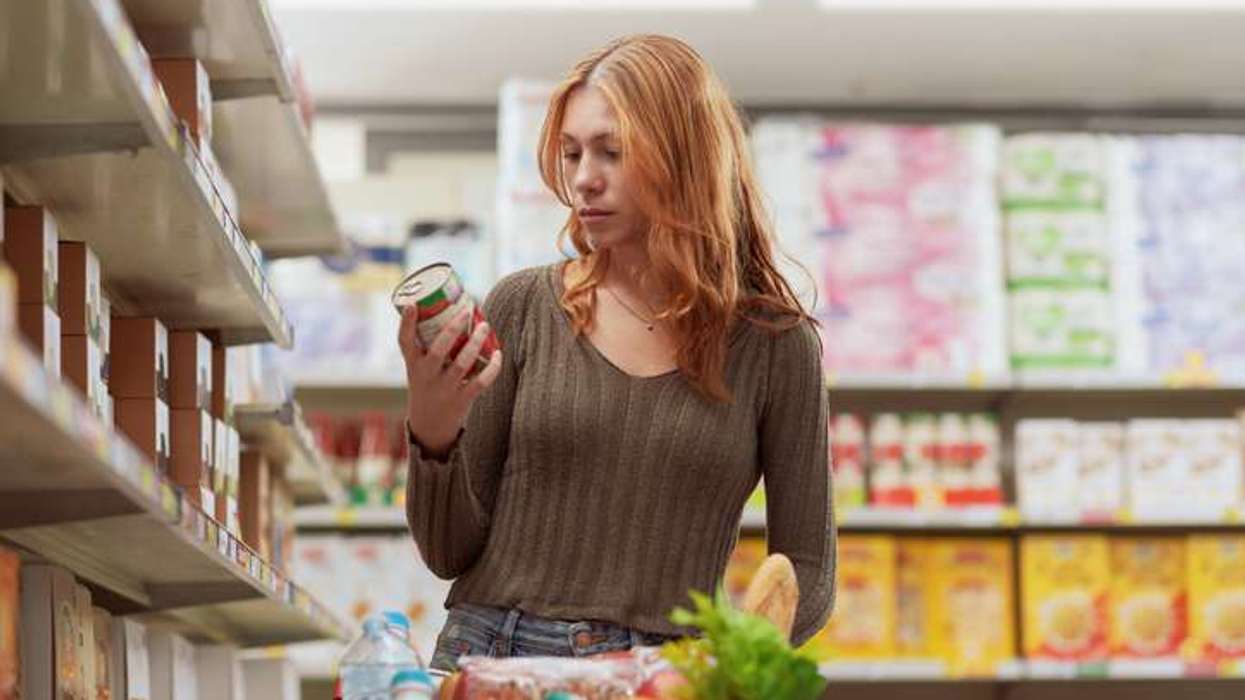
Supermarkets told statisticians they had seen increased sales of long-life products, including tinned goods and ultra-high-temperature (UHT) milk, following government advice.
The government's Be Ready campaign, launched on October 22, encouraged households to keep around three days' worth of food and water at home in case essential services were disrupted by severe weather or cyberattacks.
Other recommended supplies included wet wipes, a torch and cash.
How much have sales of emergency essentials increased?
Separate consumer research from Worldpanel by Numerator points to a noticeable change in shopping habits following the campaign.
Sales of hand sanitiser increased by 83 per cent in the 10 days after its launch compared with the same period a year earlier. Bottled water sales rose by 67 per cent, while tinned and jarred goods recorded a 37 per cent increase.
The number of people buying tinned meat each day also climbed by 43 per cent, equivalent to an additional 400,000 shoppers daily. However, the typical quantity purchased remained at around 500g, suggesting households were gradually building up their supplies rather than making unusually large purchases.
Food manufacturer Princes, which produces tinned fish, meat and vegetables, also reported stronger demand for its products since the campaign began.
The figures suggest the government's advice has influenced what people are putting in their shopping baskets, although the increase in sales does not necessarily indicate widespread panic buying.
Is the increase part of a wider retail recovery?
The rise in food sales came alongside improvements in other parts of the retail sector.
Clothing purchases and visits to art galleries also increased during October. Non-food store sales volumes rose by 1.1 per cent over the month, while total retail sales volumes were 0.4 per cent higher in the three months to October compared with the previous three months.
However, households continue to face pressure from rising prices. Worldpanel by Numerator's latest figures showed supermarket prices were 2.6 per cent higher than a year earlier, compared with annual inflation of 2.5 per cent in September.
The ONS figures also showed fuel sales recovering from earlier low levels, although higher pump prices continued to affect spending.
The October rebound offers some relief for retailers after September's decline, but the figures also reveal how government preparedness advice can influence everyday consumer behaviour. For supermarkets and food producers, stronger demand for long-life products could remain an area to watch as households review the supplies they keep at home.