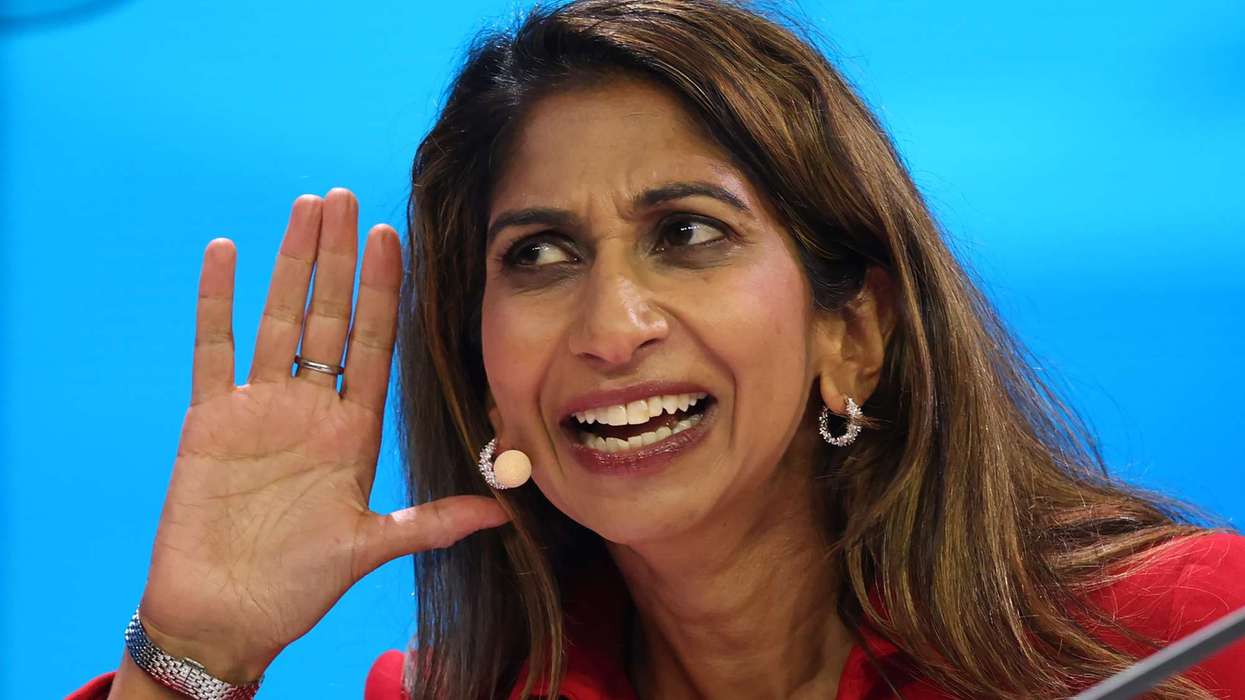

SUELLA BRAVERMAN, who plugged her new book, Patriot: Empire, Betrayal and Hope, on the BBC’s Question Time last week, caused just the right amount of controversy by stating that she considers herself to be British and Asian, but not English.
Personally, I don’t have a problem with that. She pointed out that her parents are both Indian. But she repeatedly dodged presenter Fiona Bruce’s question about whether one needed to be white to be English.
In contrast, Rishi Sunak, whose parents are also Indian, considers himself to be English. I think he is the first prominent Asian to say that. He said so most recently in his Cowdrey Lecture at Lord’s.
Once upon a time, I would have said that you did need to be white to be English.
The great imperialist Cecil Rhodes (18531902), a prominent mining magnate and architect of British expansion in southern Africa, didn’t have someone like Suella or Rishi in mind when he boasted: “Remember that you are an Englishman, and have consequently won first prize in the lottery of life.”
To my admittedly prejudiced way of thinking, many of those who say they are English are not pukka English for the following reasons: they don’t speak English or, at least, a version that’s possible to understand. Are they familiar with England’s culture and literary traditions? Do they know anything of English history? Do they think Yes Minister is by far the cleverest comedy ever written for television? Most important of all, are they familiar with PG Wodehouse?
If not, back to the drawing board.
By my reckoning, Suella, who read law as an undergraduate at Queens’ College, Cambridge, and Rishi, who studied Philosophy, Politics and Economics (PPE) at Lincoln College, Oxford, are far more “culturally English” than folk who display the flag of St George outside their homes.
I know this is a hopelessly elitist view of life, but the question of what makes someone English is a complex one. It’s hard to define, but we know when someone is English.
Suella should have said that while she did not consider herself to be English, her son and daughter, George and Gabriella, who are seven and five, would automatically assume they were. Suella is married to Rael Braverman, a white Jew who moved to Britain from South Africa as a teenager.
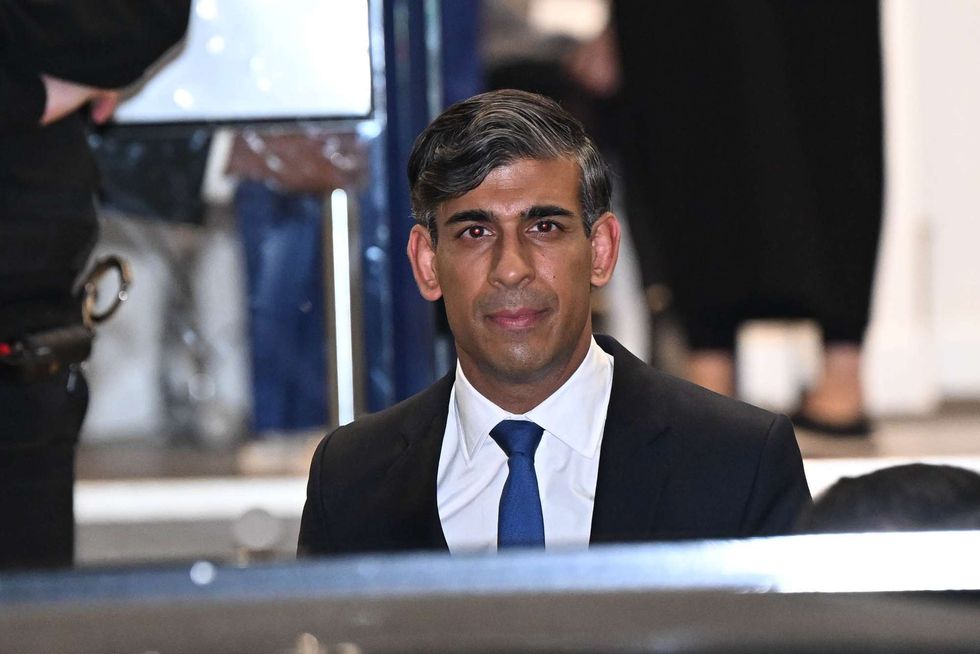 Rishi SunakLeon Neal/Getty Images
Incidentally, Suella, who says she is Buddhist, took her oath of allegiance as an MP on the Buddhist Dhammapada. I would also leave discussion of whether it is possible to be Buddhist and a member of Nigel Farage’s Reform Party for another day.
Suella Braverman was born Sue-Ellen Cassiana Fernandes in Harrow on April 3, 1980. Her father, Christie Fernandes, who is of Goan Catholic ancestry, came to Britain from Kenya in the 1960s and worked for a housing association. Her mother, who is of Hindu Tamil descent, also arrived in the 1960s, in her case from Mauritius, and worked as an NHS nurse.
Suella probably inherited her politics from her mother, who served as a Tory councillor.
Suella recently posted her views on why she is not English: “I’m proud to be British. My family and ancestors have a link to Britain which spans centuries. But in no way are we English. Yes, I was born in England, speak English and support the England football team. And indeed, I love England and the English people.
“But to say I’m English is to take a ‘laissezfaire, anything-goes’ attitude to ethnicity, citizenship and identity. It also denies me my Asian heritage. The liberals (many of them in today’s Conservative party) take this cosmopolitan approach to Englishness. They’re terrified of being called racist, so they say that anyone, as long as they’re born here, can be English.
“I take the conservative approach. Englishness is an ethnicity. There have been English people for centuries and we need to recognise this more if we are to start taking a more muscular approach to citizenship and nationality. And no, it’s not racist to say this.
“Other countries have no qualms in limiting who can be part of their citizenry and use ethnicity and culture as criteria. Here, the dogma of multiculturalism has been so corrosive that some people don’t actually know who we are anymore.”
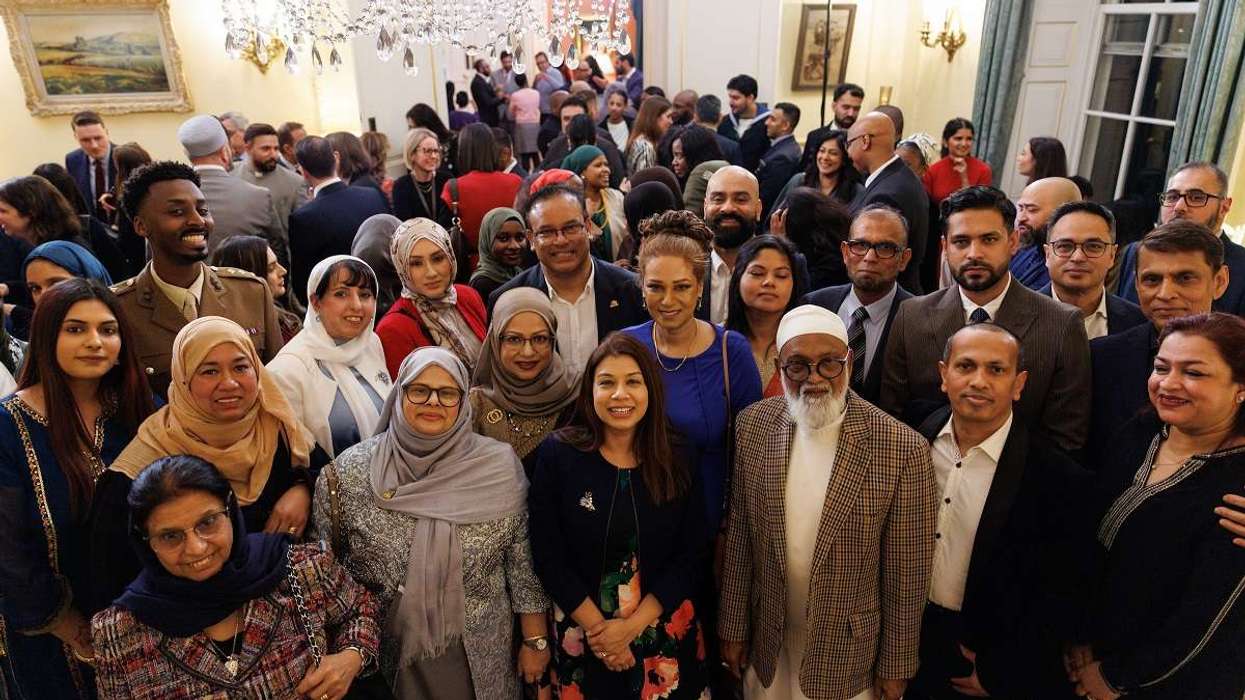
Suella hasn’t learnt the trick of saying the same thing without being divisive. Once upon a time, England (and Scotland, Wales and Northern Ireland) was an almost exclusively white country. But the UK, with a population approaching 70 million, now has 2.5 million people of Indian origin. It is also home to 3 million Muslims and remains nominally a Christian country with a Christian ethos.
Therefore, the idea of what it means to be English is changing. In any case, it is possible to be a mixture of a lot of influences. By the time Suella’s children grow up, I don’t think anyone will question their Englishness.

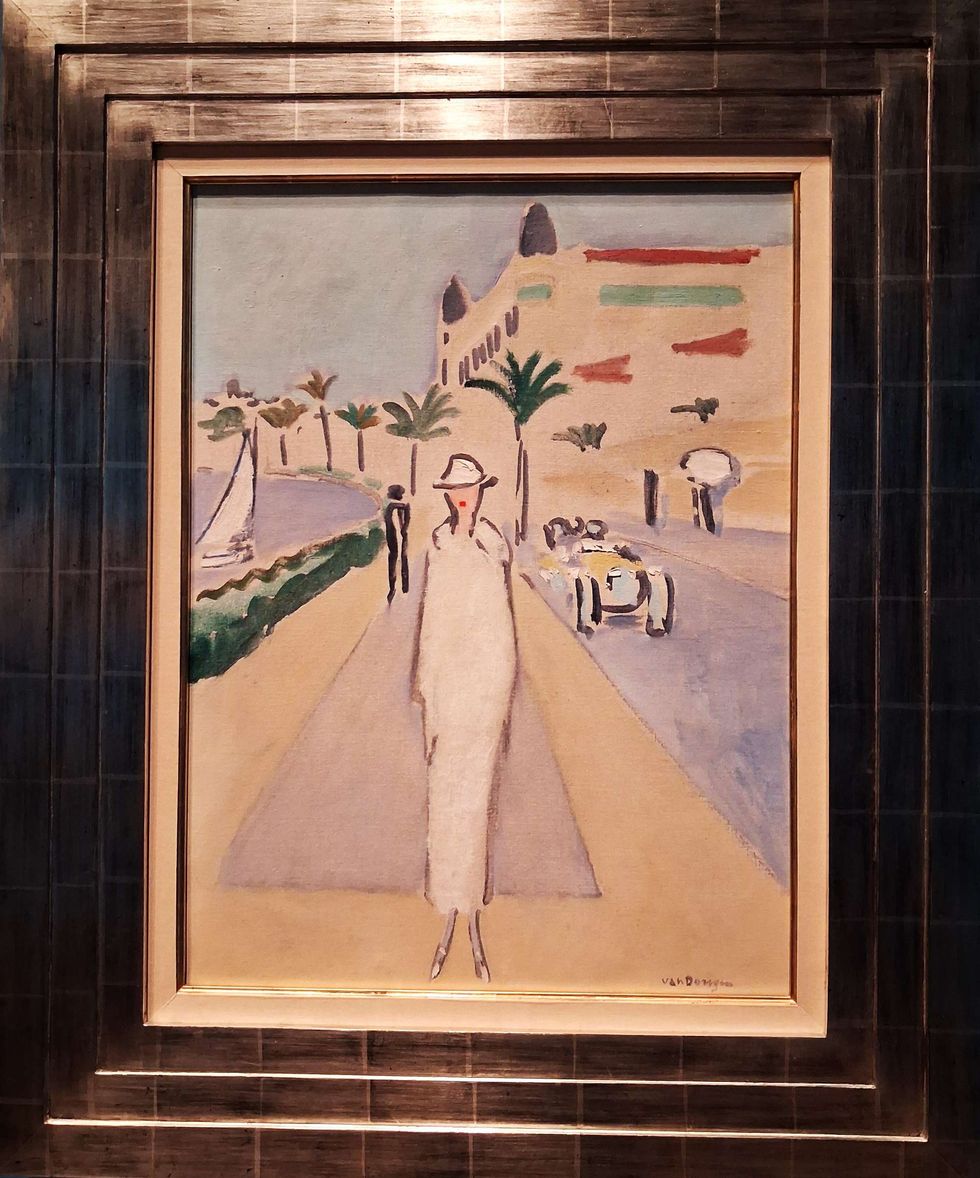 Kees Van Dongen’s The White LadyAmit Roy