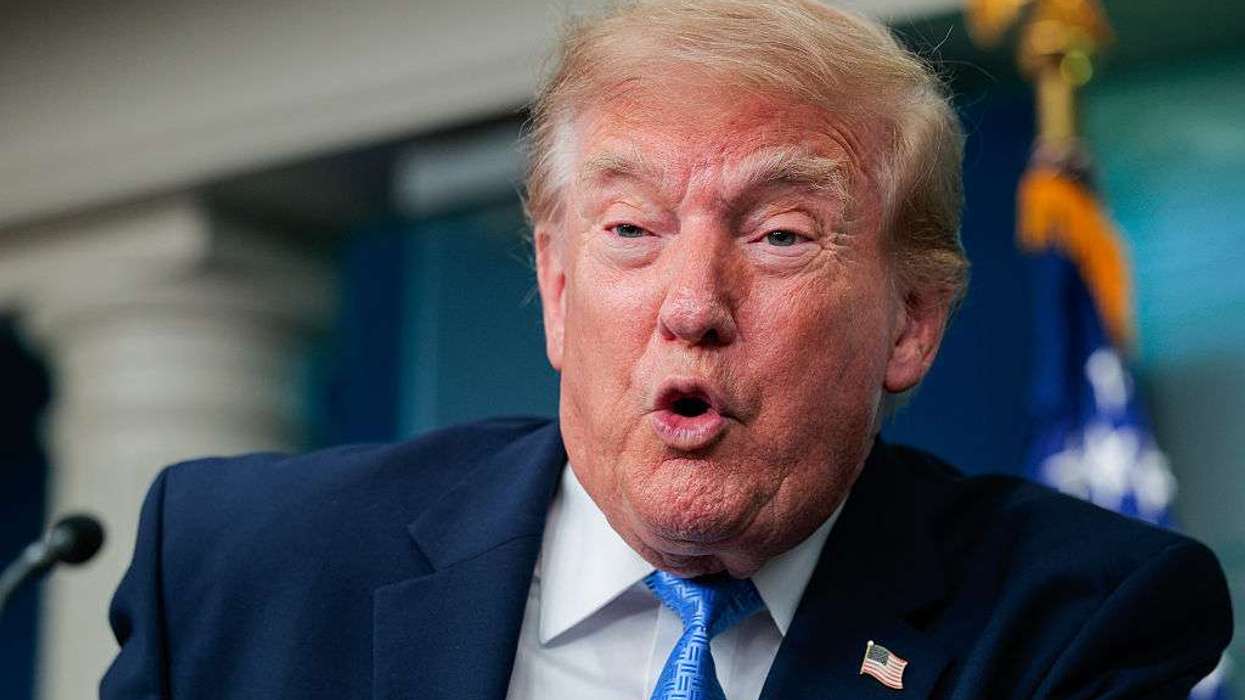

RISHI SUNAK has, to my mind, made the right decision to stay on as the Conservative MP for Richmond and Northallerton in North Yorkshire after the next general election.
The executive committee of the constituency party met in the market town of Northallerton last Friday (13), when Rishi made a speech setting out why he wished to stand again. Committee members then voted to readopt him.
Afterwards, Rishi posted a message on X: “Thank you to our local members for readopting me as the Conservative candidate for Richmond and Northallerton.”
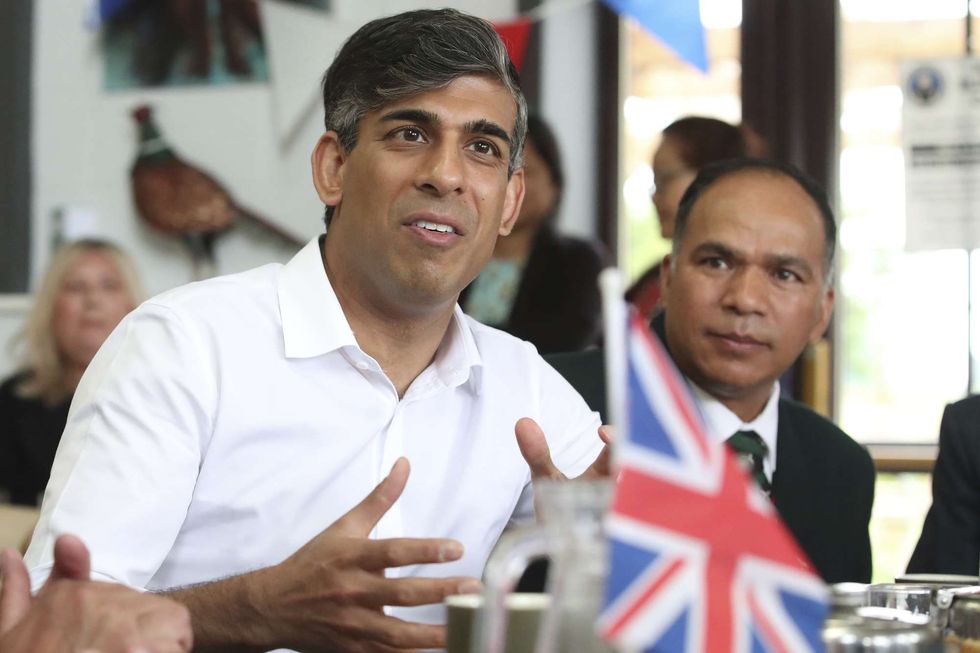 Rishi SunakScott Heppell- WPA Pool/Getty Images
He added: “They don’t call Yorkshire God’s own country for nothing, and it’s an honour to represent this corner of it.
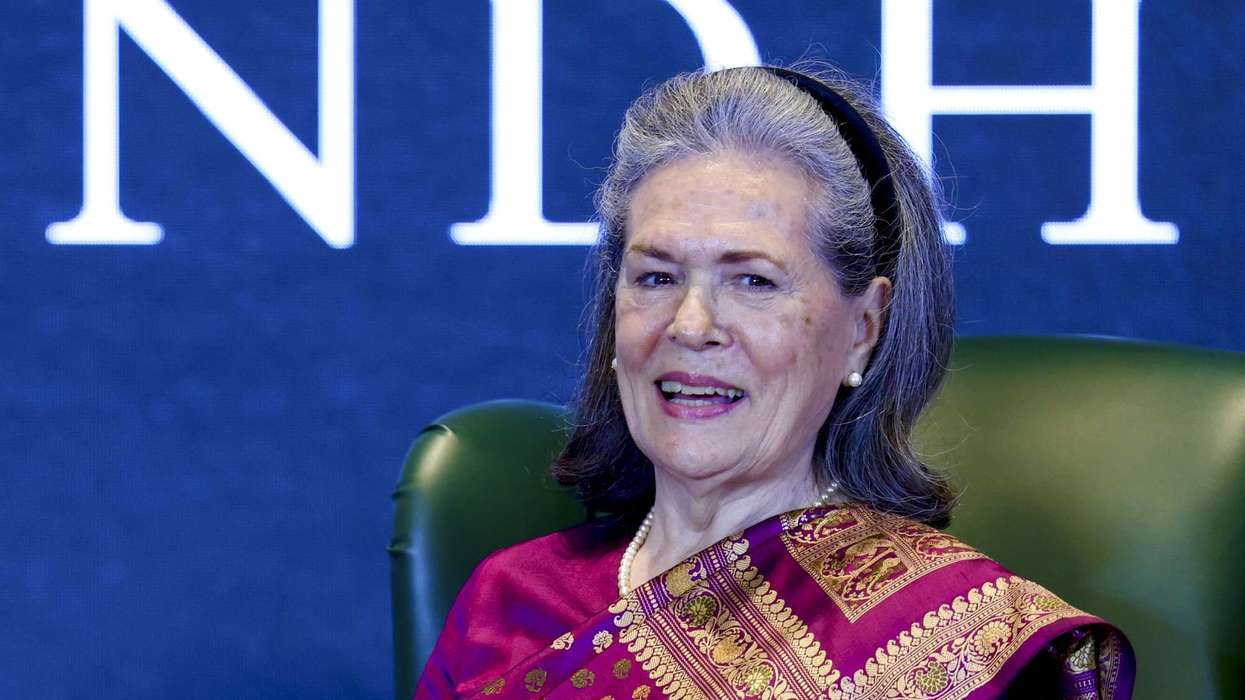
In many ways, Rishi’s story can be run alongside that of Sonia Gandhi, whose book, Belonging: A Journey of Love, was published on November 10.
In my opinion, this is the best memoir to come out of India for a generation. It is certainly the most honest book of its kind that I have read. I don’t know Sonia, but she comes across as a very decent human being. She has endured a great deal of abuse ever since she married Rajiv Gandhi in 1968 because of her Italian origins.
This is a shame because Indians have a reputation for being hospitable people who subscribe to the philosophy Atithi Devo Bhava, which is Sanskrit for “The guest is god”.
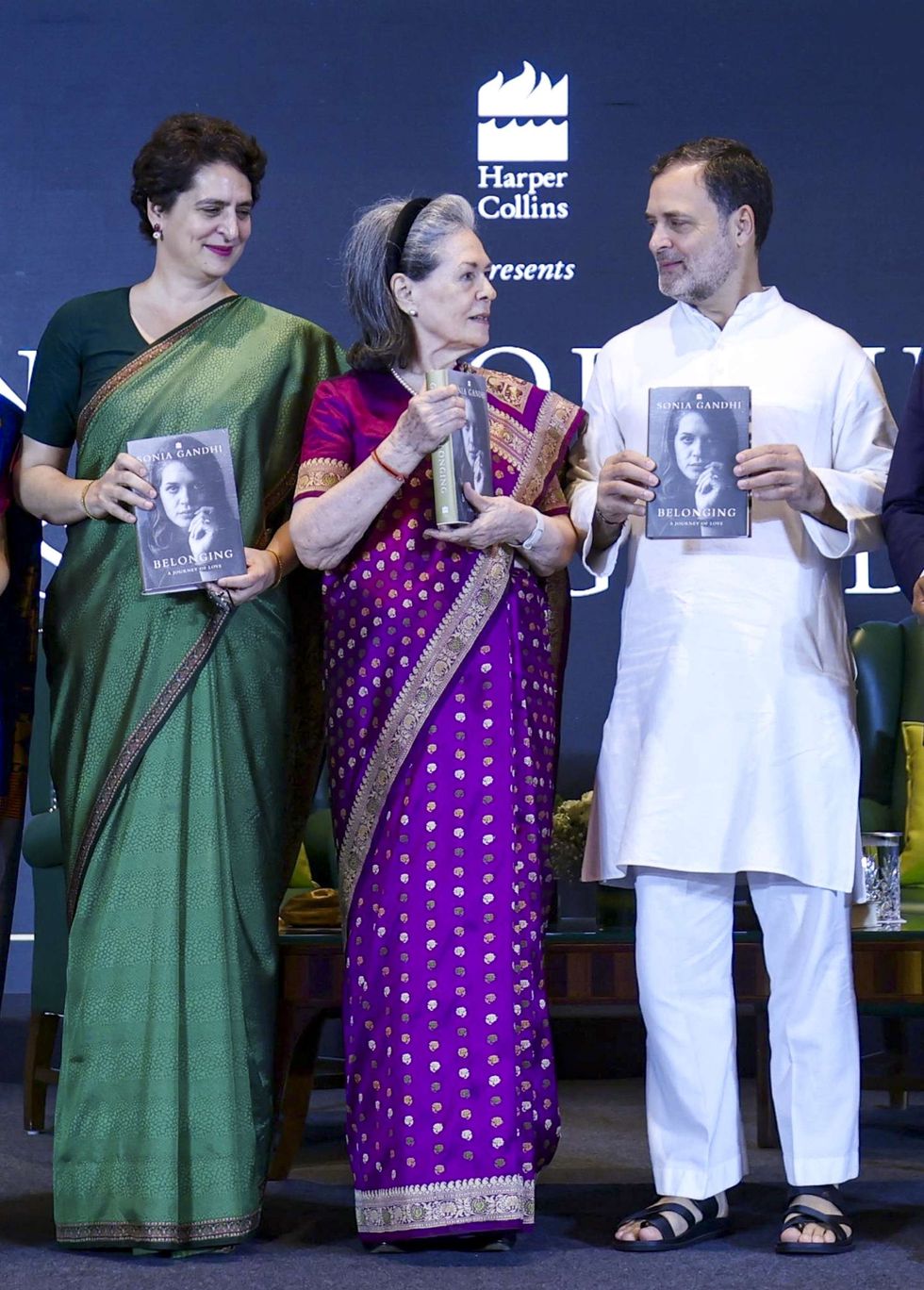 Sonia Gandhi with her children Priyanka Gandhi Vadra and Rahul Gandhi Getty Images
When she lost her first baby in 1969, hours after it was born, one opposition paper reported: “Indira Gandhi failed in her attempt to become the grandmother of a bastard child.”
When the Congress-led alliance formed the government after the 2004 election, there was pressure on Sonia to accept the post of prime minister. But opposition parties warned they would launch a hostile nationwide campaign if an Italian woman took the top job. So she nominated the economist Manmohan Singh for prime minister.
The ruling Bharatiya Janata Party (BJP) dismissed her book and urged her to remove her “Italian lenses so that she could see India’s all-round progress in the past 12 years”. Actress Kangana Ranaut called the memoir a “self-goal” and labelled Sonia a “mysterious foreigner”.
Sonia felt an instinctive sympathy for Princess Diana, whom she met in 1992 during the latter’s tour of India with Prince Charles.
“It was evident that things were not going well in the marriage,” Sonia has written. “On the very day, she famously posed alone on what I call the ‘love bench’ in front of the Taj Mahal, they had come over for a late tea. Prince Charles was forthcoming and amusing, but she appeared morose, though looking wonderful in a striking red and purple twopiece suit.”
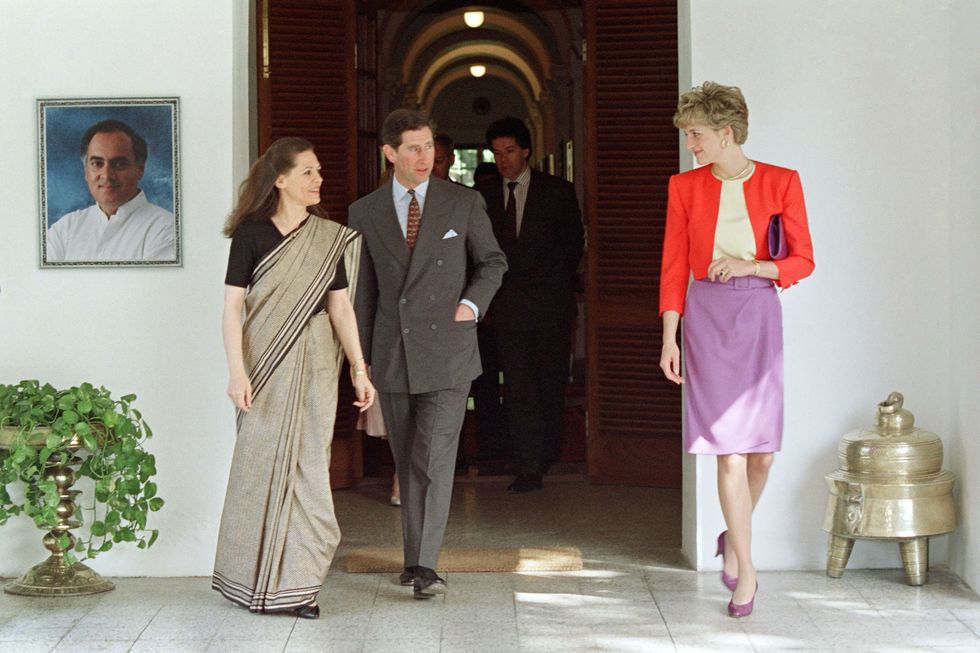 Sonia Gandhi with Prince Charles and Princess Diana during their visit to India in 1992© Raveendran/AFP via Getty Images
I remember the occasion well, for I was covering the visit for the Sunday Telegraph in London. I had also met Indira Gandhi on two or three occasions at dinners organised by the late Lord Swraj Paul, interviewed Rajiv Gandhi when he was prime minister for the Sunday Times, and covered a couple of speeches Sonia had made, one in Oxford and another in London.
She met Diana again in London when they happened to be visiting the same hairdresser.
Sonia’s assessment was: “Much has been written and said about the princess, down to present-day TV series about her life, her marriage, her children, and more. There was a lot of criticism of her at that time: She was spoilt and complaining; she had everything; why was she behaving as if she had been wrong? I must say I felt for her throughout, and still do. It couldn’t have been easy, even for someone from an aristocratic family, as she was, to adjust to the rigidity of life in the palace – stiff and uncompromising in its conventions. And I strongly believe that regardless of how much one has – of wealth, clothes, jewels, public adulation – none of it matters in the absence of true love and understanding.”
Sonia herself came from a middleclass family. The love she shared with Rajiv was deep and genuine. But maybe in Diana she spotted a fellow human being in distress.
Five years after Diana came to tea, she was killed in a car crash in Paris, with many reports about her mangled body.
On the loss of her husband, Sonia has written: “(My children) Rahul and Priyanka had given the staff instructions that no newspaper or magazine was to be given to me directly; everything had to be vetted by them. They were shielding me from the horrific image of their slain father that had been published again and again….To this day, more than 30 years later, I have not seen that picture of Rajiv’s remains after the explosion.”
In comparison, British society has been much more benign. Rishi was Britain’s first Indian-origin prime minister. Sonia was born in Italy and made India her home after her marriage to Rajiv in 1968. Rishi was born in Southampton, but that is not sufficient for far-right folk who insist only a white person can be English.
During the 2024 election campaign, Rishi’s critics sought to undermine his credibility by predicting he would return to his earlier life in the California sun if he was ousted from power.
Lord Zac Goldsmith, a Conservative peer and ally of former prime minister Boris Johnson, was one critic who claimed Rishi would “disappear off to California” if he lost the election.
In June 2023, even Sir Keir Starmer, then opposition leader, told Rishi during PMQs: “I appreciate that the prime minister has a keen interest in the mortgage market in California, but I am talking about mortgage holders here.”
Asked whether he would leave for California, Rishi responded: “Of course not, my kids are at school, this is my home and as I said earlier my football team just got promoted to the Premier League so I intend to spend many more happy days watching them at St Mary’s. Of course, that’s what I’m going to do. I was born and brought up in Southampton, I was raised with a very strong ethic of service to one’s community, that’s what I believe, that’s what I’ve always done.”
His message when delivering the Cowdrey Lecture at Lord’s in September this year was: “In Britain, we have created the most successful multi-ethnic, multi-faith democracy in the world. But it would be foolish and dangerous to ignore the fact that this achievement is under real threat. There are worrying signs that our politics is becoming more polarising than ever, and we must ensure that it doesn’t divide along ethnic lines. Or our great achievement won’t long endure.”
Without referring specifically to Nigel Farage’s Reform party or supporters of the far right, Rishi observed: “I was born in Southampton and grew up supporting England. They are my team. But in recent years, there seems to have emerged a view that refuses to accept that anyone who isn’t white can be English. They want to deny me my Englishness. Now I feel secure enough in my identity that these voices don’t bother me personally, but I do worry about what this debate says to our children today. How many will hear it and feel rejected?”
On the question of ethnic and racial origins, one should acknowledge that Rishi – and the Indian community in general – has had a much easier time in Britain than Sonia has had in India, despite being an Indian citizen and having lived in the country for 58 years.