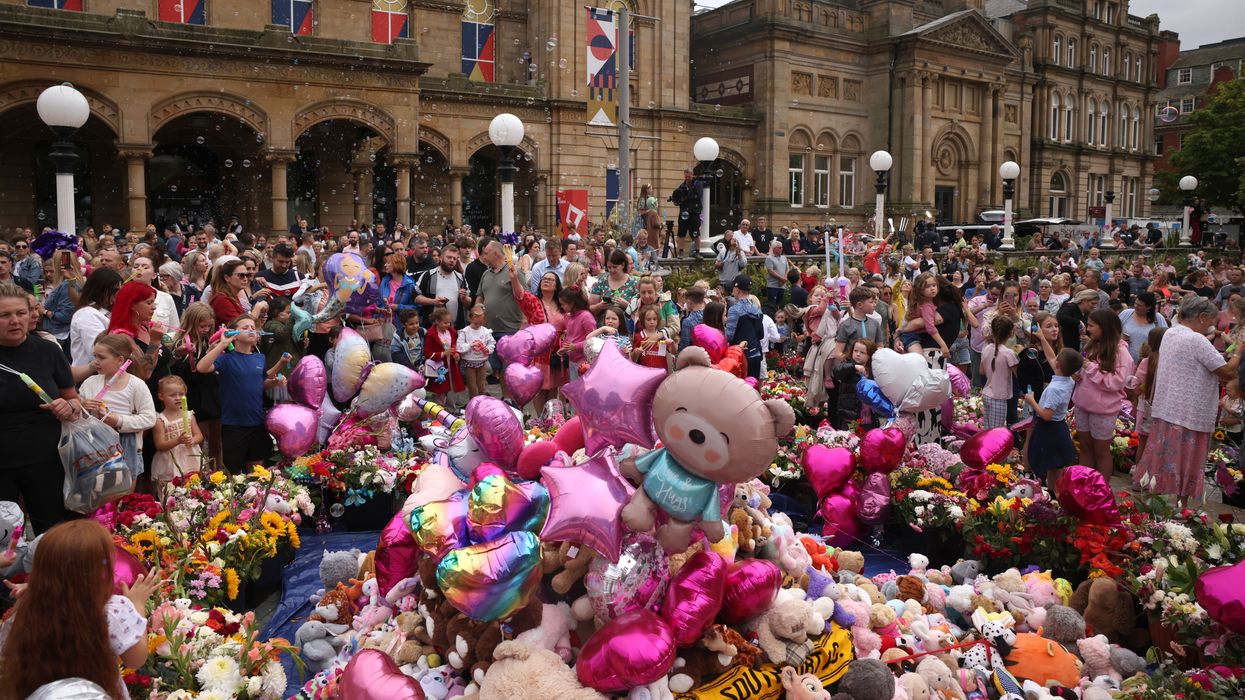

A TWO-PHASE public inquiry began on Monday (7) into the killing of three girls in Southport last year, which triggered Britain’s worst riots in decades.
Bebe King, aged six, Elsie Dot Stancombe, seven, and nineyear-old Alice da Silva Aguiar died in the stabbing spree at a Taylor Swift-themed dance class.
Axel Rudakubana, now 18, also attempted to kill eight other children and two adults.
He was jailed in January for a minimum of 52 years.
Launching the probe, home secretary Yvette Cooper said the first phase would “thoroughly investigate” the circumstances of the July 29 attack in the northwestern seaside town, including Rudakubana’s multiple interactions with public authorities.
Rudakubana had repeated contact with the police, courts and welfare services as well as the government’s counter-terror programme Prevent, but all failed to spot the risk he posed.
The second phase would examine the wider issue of young people being drawn towards extreme violence.
“We owe it to their families, and all those affected to quickly understand what went wrong, answer difficult questions and do everything in our power to prevent something like this from happening again,” Cooper said, describing the murders as an “unimaginable tragedy”.
After his arrest, police found violent content on Rudakubana’s devices including images of dead bodies, victims of torture, beheadings, and cartoons depicting violence and rape.
The probe, with legal powers to compel witnesses to give evidence, will be chaired by retired senior judge Adrian Fulford.