
A NEW study has found that almost three in ten GPs across the UK are now using artificial intelligence (AI) in their daily work, such as tools like ChatGPT, but they are doing so without clear national safety rules.
The research, led by the Nuffield Trust thinktank, revealed a quick shift in healthcare, with 28 per cent of GPs already using AI in their practice. This figure is highest in England, where nearly a third (31 per cent) of doctors are using it, compared to 20 per cent in Scotland and just nine per cent in Northern Ireland.
According to the report, the main benefit doctors gain from AI is saving time on paperwork. Specifically, the most common use is for clinical notes and documentation, with 57 per cent of doctors who use AI relying on it for this task.
Additionally, around 45 per cent use the tools for professional learning, and 44 per cent apply AI for general administrative duties. Significantly fewer doctors, only 28 per cent, currently use AI to help them with difficult decisions about a patient’s health.
Dr Becks Fisher, a GP and director at the Nuffield Trust, said lack of clarity is damaging confidence. “It is very hard for GPs to feel confident about using AI when they’re faced with a wild west of tools which are unregulated at a national level in the NHS," she said.
Dr Fisher explained that while some regional health bodies (Integrated Care Boards) support the use of AI, others ban it completely, leading to a "postcode lottery" across the country.
The report added that some doctors (13 per cent) use systems given to them by their local practice, while others (11 per cent) are using tools they have found themselves.
This fast adoption has created a system the report calls a "wild west" due to the lack of regulation, leaving GPs highly concerned about the risks.
The vast majority of doctors worry that using AI could lead to "professional liability and medico-legal issues" (89 per cent of non-users) and that a lack of oversight is a major problem. Focus groups also revealed worries about software giving out "misleading or incorrect outputs," known as 'hallucinations'.
Ministers have put great hope in AI to help the NHS see more patients. However, the study delivered a blow to this plan by finding that GPs are using the time saved to improve their own well-being.
The report added that instead of immediately offering more appointments, doctors are using the time primarily for "self-care and rest, including reducing overtime working hours to prevent burnout."
The quick pace of change was echoed by Dr Charlotte Blease of Uppsala University, who led a separate study:
“In just 12 months, generative AI has gone from taboo to tool in British medicine," she said.
Dr. Blease and the Nuffield Trust agree that rules are needed urgently, “The real risk isn’t that GPs are using AI. It’s that they’re doing it without training or oversight.”
The study urged the government to create clear national guidelines, clarify the rules on professional liability, and require that AI tools be integrated better into existing doctor records rather than being separate add-on software.



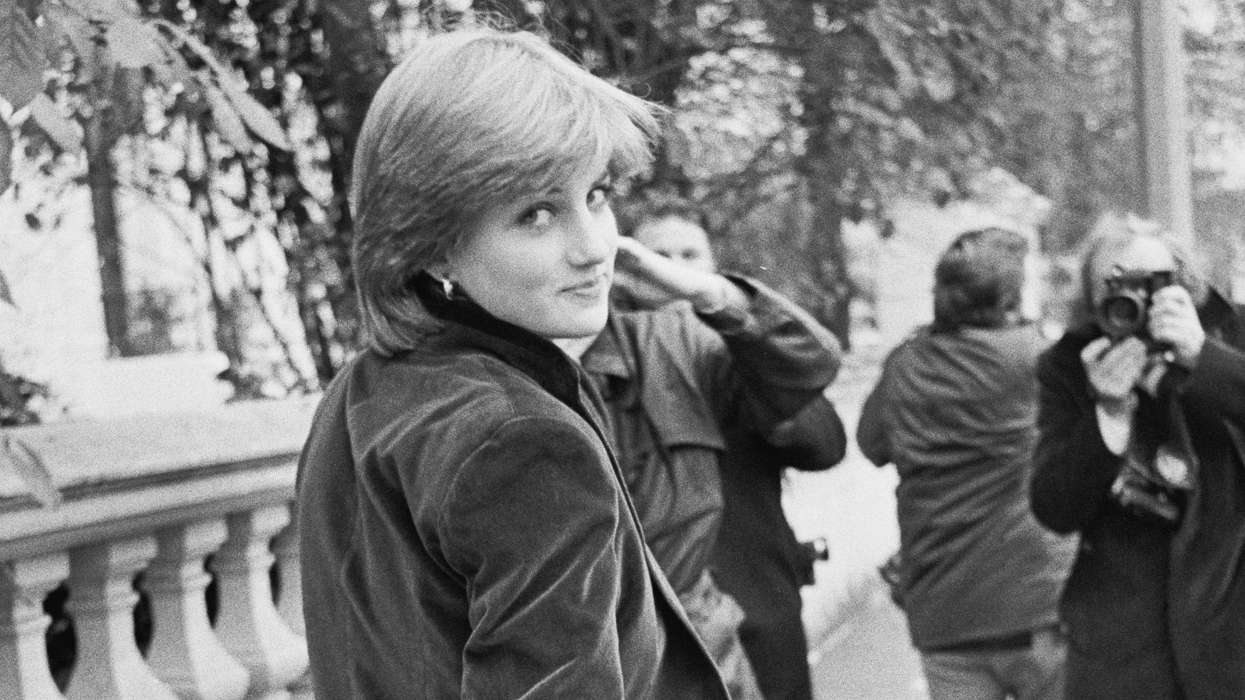
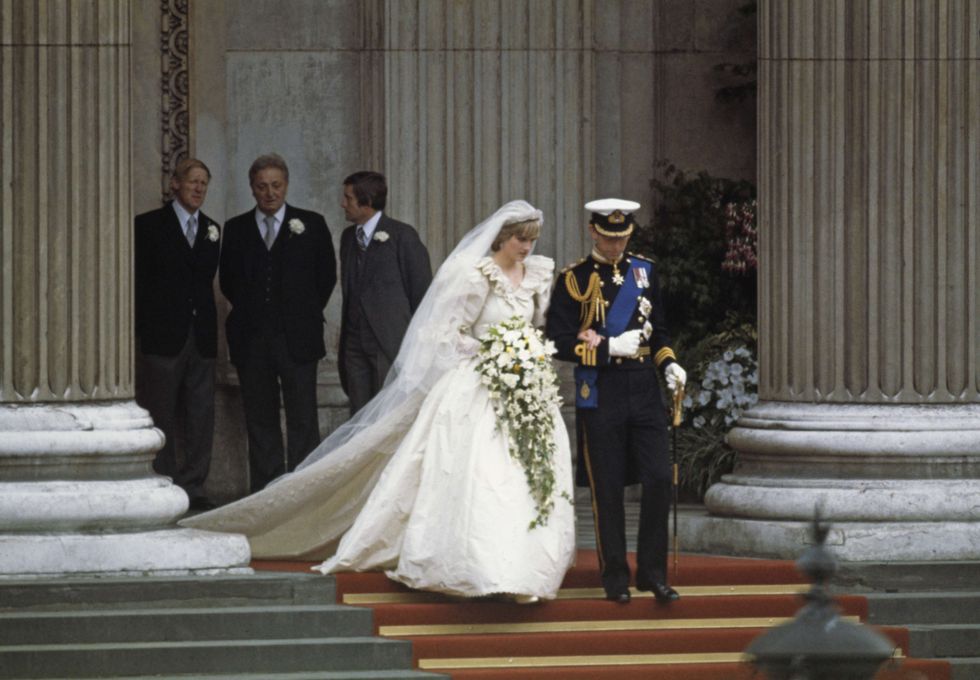 She quietly broke with centuries of royal tradition by omitting the word "obey"Getty Images
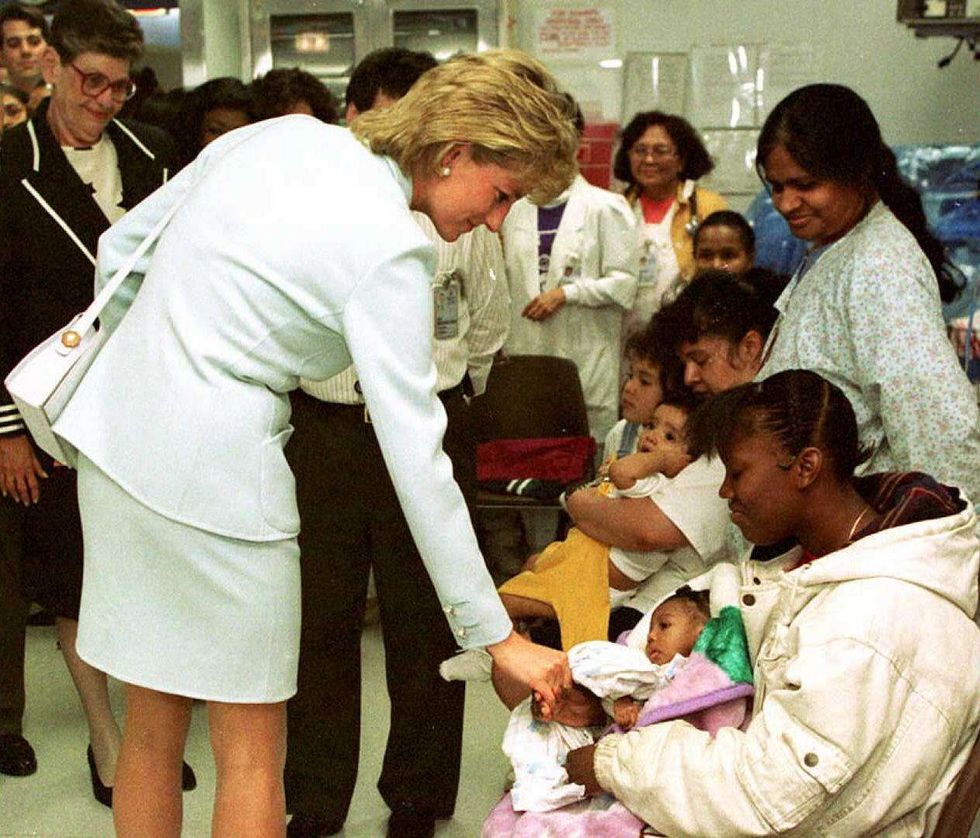 A royal who was often ahead of her timeGetty Images
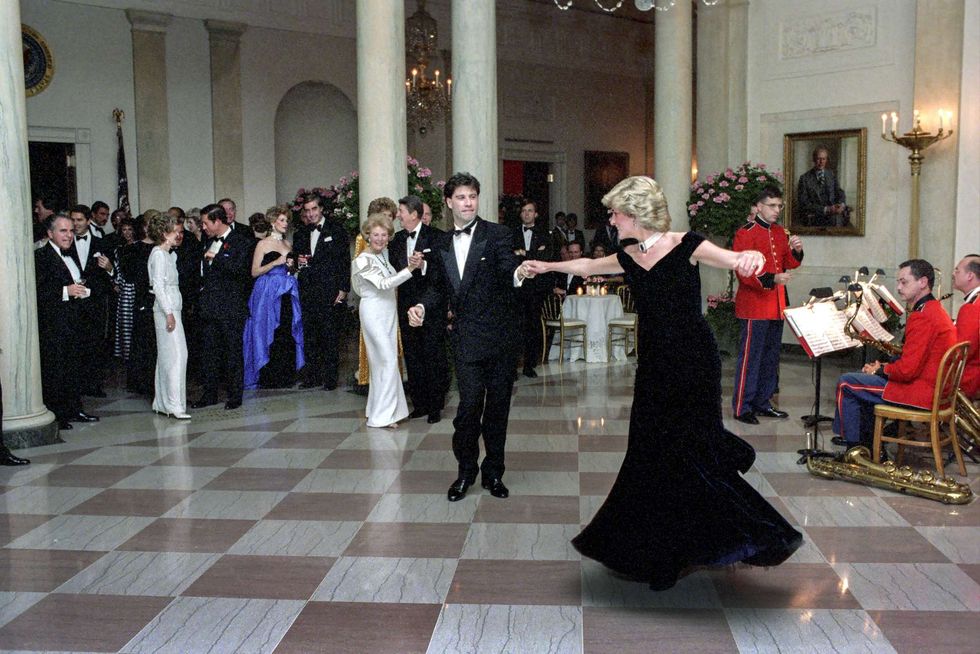 Her dance with actor John Travolta at the White House in an elegant off-the-shoulder velvet gownGetty Images
 Diana transformed royal fashion by embracing bold, contemporary styles that often made headlinesGetty Images