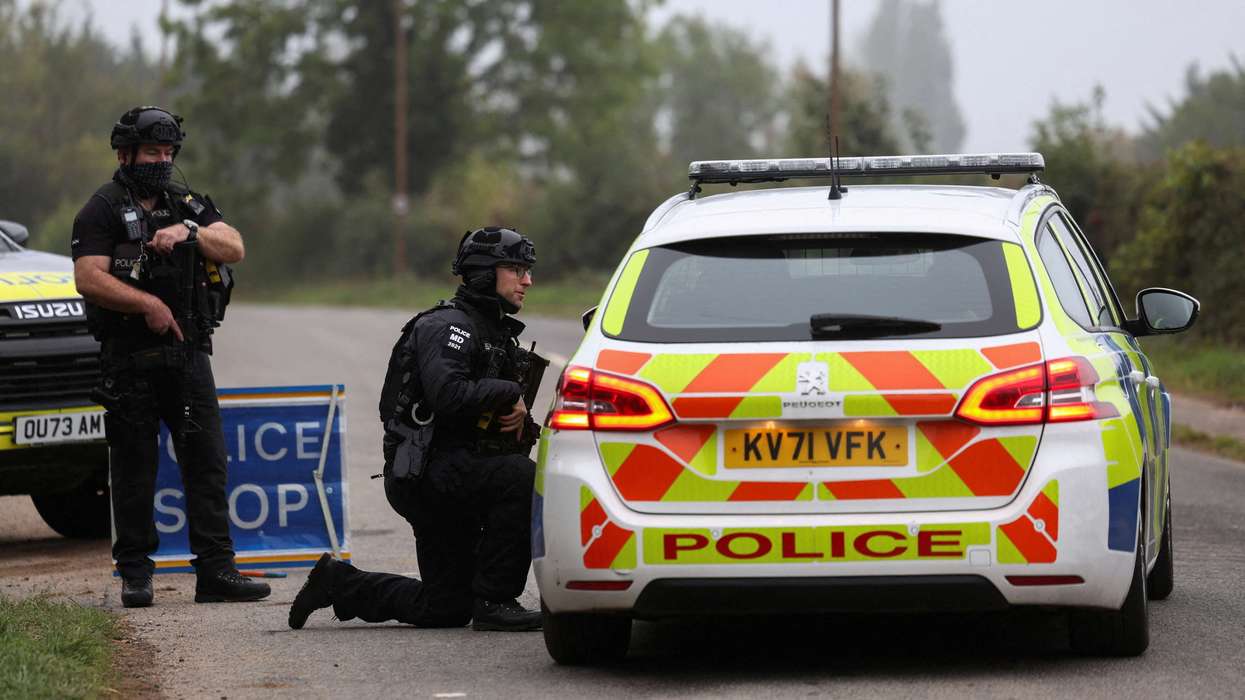

POLICE are investigating an alleged attack on a prison officer by Axel Rudakubana, who is serving a life sentence for killing three girls in Southport last year.
The incident took place last Thursday (8) at HMP Belmarsh in London. It is understood that the officer had boiling water thrown over them. According to the Ministry of Justice, the officer was taken to hospital as a precaution and discharged the same day.
A Prison Service spokesperson said: “Violence in prison will not be tolerated and we will always push for the strongest possible punishment for attacks on our hardworking staff.”
The alleged assault has raised concerns about staff safety in prisons. It follows a similar attack last month by Hashem Abedi, the Manchester Arena bomber, who reportedly attacked three officers at HMP Frankland using hot oil and improvised weapons.
According to Ministry of Justice data, assaults on staff in adult prisons in England and Wales are at their highest level in ten years.
Justice secretary Shabana Mahmood previously announced a trial of tasers in prisons and a snap review of protective body armour for officers. Asked earlier this week if prison officers were safe, prisons minister James Timpson said: “I think it is fine to work in our prisons.”
Shadow justice secretary Robert Jenrick described the situation as a “full blown crisis” and urged the justice secretary to act “now” in a post on X.
Tom Wheatley, president of the Prison Governors’ Association, said prison officers do “an incredibly difficult job” in “overcrowded conditions”. Speaking to BBC Radio 4’s Today programme, he said: “Pretty much anything can be utilised to cause harm. What we're really concerned about is the intent of people to do so.”
Asked whether dangerous prisoners should have access to kettles in their cells, Wheatley said it was “lower risk” than having officers deliver hot water to them.
Rudakubana was jailed for life with a minimum term of 52 years in January for the murder of six-year-old Bebe King, seven-year-old Elsie Dot Stancombe and nine-year-old Alice da Silva Aguiar. The girls were killed at a Taylor Swift-themed dance class in Southport on July 29, 2024.
He also attacked eight other children, a dance instructor, and a man who tried to stop him. He was convicted of three counts of murder, 10 counts of attempted murder, and other offences including producing ricin, possessing terrorist materials, and carrying a knife.
A public inquiry into the Southport killings began in April. In February, the Attorney General decided not to refer Rudakubana’s sentence to the Court of Appeal, despite calls for a review.
The Southport attack triggered widespread unrest in towns and cities across the UK. Far-right groups spread false claims online about the attacker’s background, leading to riots targeting police, shops, and places housing asylum seekers. Mosques were also attacked. Hundreds of people were arrested during the violence.
(with inputs from AFP)