Skip to content
Search

Latest Stories

Submit Guest Post

Rishabh Pant becomes IPL’s most expensive player at £2.54 million

Pant’s record-breaking bid came from Lucknow, surpassing the previous record set earlier in the day when Punjab acquired Shreyas Iyer for £2.52 million.

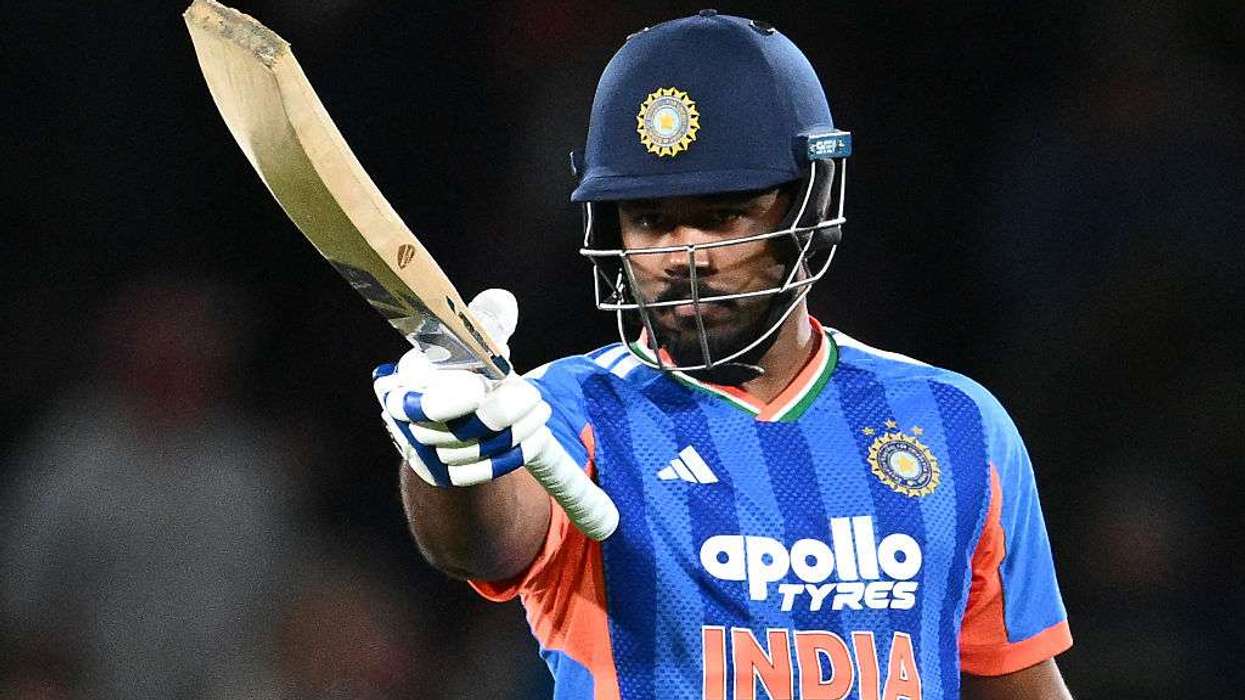
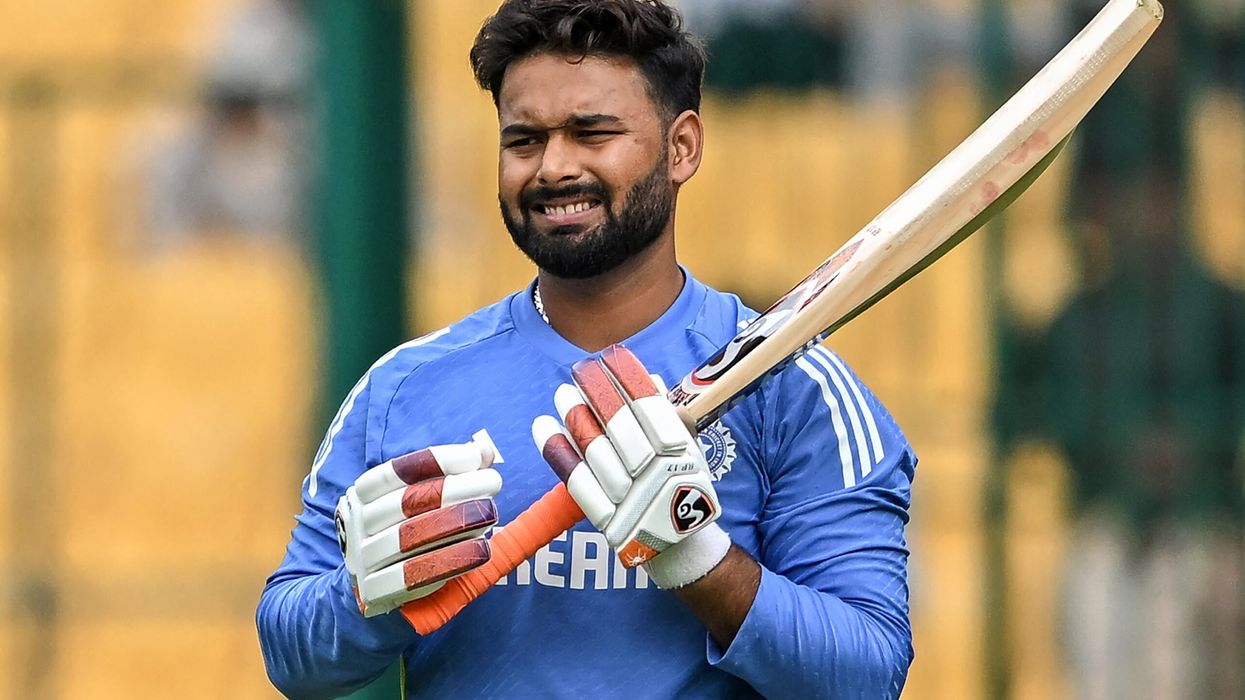
Pant returned to competitive cricket earlier this year after recovering from a serious car accident in December 2022. (Photo: Getty Images)

INDIAN wicketkeeper Rishabh Pant became the most expensive player in Indian Premier League (IPL) history on Sunday (24), fetching a record £2.54 million at the auction held in Jeddah, Saudi Arabia.

Teams competed fiercely over 577 players during the two-day event, with top international and domestic cricketers on offer.


Pant’s record-breaking bid came from the Lucknow Super Giants, surpassing the previous record set earlier in the day when the Punjab Kings acquired Shreyas Iyer for £2.52m. Iyer, who led the Kolkata Knight Riders to an IPL title this year, had previously held the record for the highest bid at the auction.

Punjab's new coach, Ricky Ponting, expressed his excitement about Iyer joining the team and hinted that he may be made captain. "I have worked with him three or four years at Delhi, and obviously he is a championship-winning captain from last season," Ponting said. "We are delighted to have him back."

Lucknow Super Giants owner Shashwat Goenka praised Pant’s cricketing pedigree, saying, "Rishabh's history in the IPL and in the sport of cricket is unparalleled in terms of his skill and what he brings to the table. We are very excited to have him as part of the squad."

Pant returned to competitive cricket earlier this year after recovering from a serious car accident in December 2022. He parted ways with the Delhi Capitals after captaining the team in the last IPL season.

The auction continued to break records, with Indian all-rounder Venkatesh Iyer sold to Kolkata Knight Riders for £2.23m following a bidding war with Royal Challengers Bengaluru.

Other key sales:

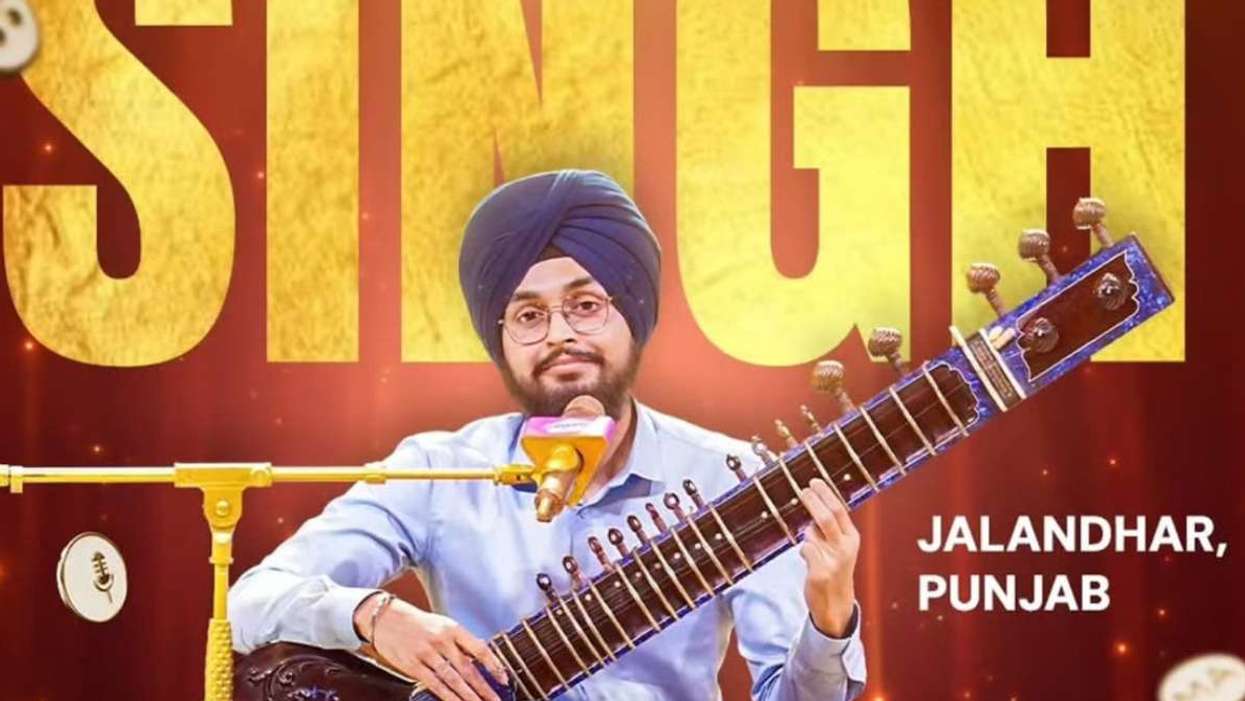
Indian quick Arshdeep Singh started the auction with a bidding war, going to Punjab Kings for £1.69m.

Australian pacer Mitchell Starc, released by Kolkata Knight Riders, was bought by Delhi Capitals for £1.10m.

England white-ball captain Jos Buttler was picked up by Gujarat Titans for £1.48m.

Other notable buys included New Zealand’s Trent Boult (£1.17m to Mumbai Indians) and Afghanistan spinner Noor Ahmad (£0.94m to Chennai Super Kings).

Some players, like Australian David Warner and England’s Jonny Bairstow, went unsold in the first round but may be acquired later in the auction.

The IPL auction, held abroad for the second consecutive year, is part of efforts to expand the league's global profile. Last year’s auction took place in Dubai, and this year’s venue, Jeddah, aims to tap into Saudi Arabia's migrant worker fan base.

The IPL remains a major revenue source for Indian cricket, generating over £8.73 billion annually for the Indian economy.

(With inputs from AFP)

Add EasternEye As Your Trusted Source
preferred source on google news

More For You

Tackling hostility against Muslims matters for everyone

Anti immigration protesters attend the 'Glasgow Reclaims The Streets From Far-right Hatred And Violence' anti-racism protest on June 13, 2026 in Glasgow, Scotland.

Getty Images

Tackling hostility against Muslims matters for everyone

Sunder Katwala

Born in the mid-1970s I felt part of a lucky generation, which gained from pushing back the overt racism of that era. When we talk about stronger “social norms”, what we mean is that few people thought that monkey chants at the football or racist jokes on the telly were normal anymore – while more had Asian and black colleagues, neighbours and friends.

That past progress is put to the test today. A terrible crime in Belfast saw organised efforts at indiscriminate racist attacks on migrants and ethnic minorities, whose only connection to the crime was the colour of their skin. Those seeking to make racism fashionable again have the online megaphone of the world’s richest man, Elon Musk, on their side.

Past progress could be experienced unevenly, too. Being of mixed Indian and Irish Catholic parentage, I saw both identities rise in status once the BBC comedy Goodness Gracious Me inverted who could tell the jokes, and peace broke out in Northern Ireland. Yet, British Muslims of my generation felt under more intense scrutiny after the 9/11 terrorist attacks.

Efforts to tackle anti-Muslim hatred risked being stalled by arguments over what to call it and how to define it. The government’s new definition of anti-Muslim hostility seeks to transcend the confusion that the term “Islamophobia” could generate. But the challenge is not just to define the prejudice – but to find effective ways to shrink it.

There are sobering findings on the starting points in new research from British Future and the British Muslim Trust. More than half of British Muslims report experiencing prejudice based on their religion last year – a quarter in person and over a third online. A third of the public hold mostly negative views. One in six endorse sweeping and often indiscriminate hostility. Anti-Muslim hostility can have about twice the social reach as prejudice against other faith or ethnic minorities.

Tackling this hostility cannot be the responsibility of Muslims alone. It will take a whole-of-society effort. After all, this is foundationally about the attitudes towards a six per cent minority group, held among the 94 per cent of us who are not Muslim.

Keep ReadingShow less