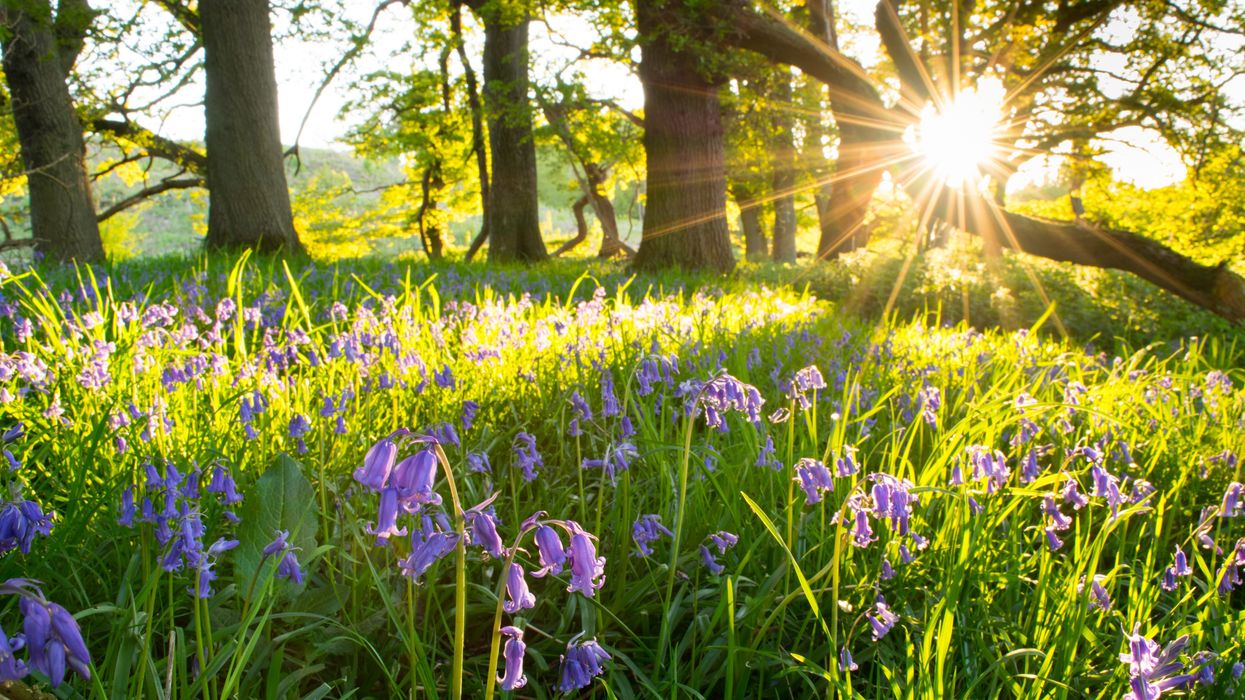

The UK has provisionally experienced its sunniest spring since records began, according to new data from the Met Office. Between 1 March and 27 May 2025, the country recorded 630 hours of sunshine, surpassing the previous record of 626 hours set in 2020.
The Met Office noted that the figures are still provisional, with a few days of spring remaining. However, the total already exceeds all previous sunshine records since the dataset began in 1910. The full statistics for spring 2025 are scheduled to be published on 2 June.
Scotland and Northern Ireland had already confirmed their sunniest springs on record last week, both beating their respective 2020 records.
Met Office scientist Emily Carlisle said: “The UK has now, provisionally, recorded its sunniest spring on record, with still a few days of the season to go. We all remember the exceptionally sunny spring of 2020, but that title has now been surpassed by the spring of 2025.”
She added that seven of the top 10 sunniest springs in the UK have occurred since the year 2000, highlighting a noticeable trend over recent decades.
Despite the sunshine, the spring of 2025 has also been marked by notably dry conditions. While some parts of the country have experienced recent downpours, much of the UK has seen lower than average rainfall over the season. Official rainfall data is expected later this week, but early indications suggest one of the driest springs on record.
Earlier in May, the Environment Agency warned that millions of households could face water restrictions due to the “unusually dry spring”. It reported that the North West and North East of England had experienced their driest start to a calendar year since 1929. Across England, the February to April period was the driest since 1956.
These warnings were issued before the recent bouts of rain, which may affect the final rainfall figures, though not enough to offset the season’s dry conditions overall.
In comparison, spring 2024 recorded just 377 hours of sunshine, making it one of the dullest on record. The stark contrast between the two years underlines the variability in UK weather patterns.
The Met Office continues to monitor conditions closely and will release a full seasonal analysis in early June.