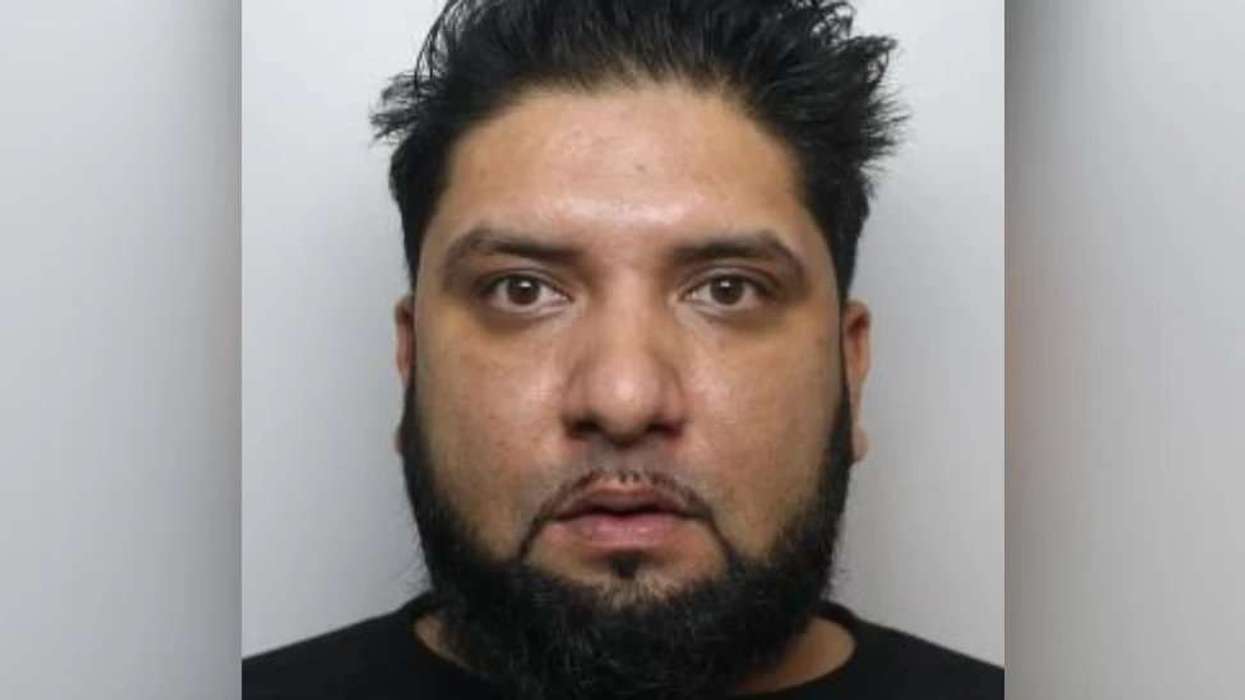

THREE women who were sexually abused by serial rapist Amar Ilyas have said they feel "betrayed" after he fled to Pakistan while on bail and failed to return to Britain for his trial.
Ilyas, 41, was convicted of 20 sexual offences against five girls in Sheffield and was sentenced in his absence to a minimum of 27 years in prison.
He was arrested in 2020 and charged in 2023 as part of the National Crime Agency's Operation Stovewood investigation into historic sexual abuse in South Yorkshire.
Sheffield Crown Court heard that Ilyas committed the offences against girls as young as 12 in the Meersbrook and Sharrow areas of Sheffield between 2004 and 2007.
He was allowed to remain on court bail and, according to the BBC, retained his passport. He had previously travelled abroad while on bail but returned to Britain.
Ilyas travelled to Pakistan in July 2025 and failed to return for his trial in September that year, despite being ordered by a judge to come back to the UK.
Ilyas's brothers, Kamar Ilyas, 40, and Kamran Ilyas, 39, were also jailed in June for sexual offences against one victim. Kamar was sentenced to 10 years and Kamran to three years.
‘Where is the justice?’
One survivor, who was abused by Ilyas when she was 13, said she felt "cheated" because she had been left afraid to go out while her attacker was able to leave the country.
"There is no justice, is there really?" she said. "He didn't take accountability. He's not getting any consequences for his actions."
She questioned why Ilyas had been able to retain his passport.
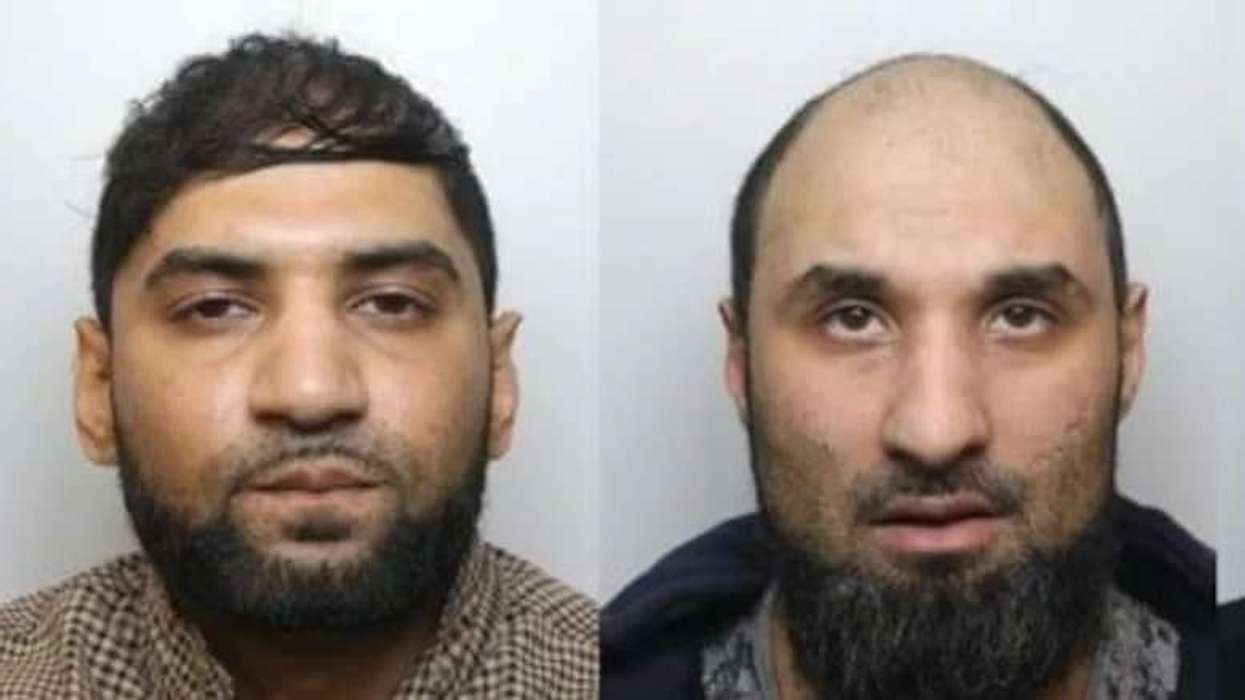 Kamar Ilyas and Kamran IlyasPhoto: X/NCA
"We were told that he got to keep his passport because of his human rights, but he wasn't humane towards other people," she said.
Another survivor said she had learning difficulties and was particularly vulnerable when she was abused as a teenager.
"Why, when he's committed these offences against us girls, was he allowed to keep his passport? That's my question. Where is the justice?" she said.
The women, who have lifelong anonymity, are now calling for changes to prevent defendants accused of serious sexual offences from absconding while awaiting trial.
"Going forwards, I think they need to put into place that they remove the passports," one survivor said.
‘Coward’s route’
Ilyas's case has also drawn attention to the difficulties of bringing suspects back to Britain after they flee abroad.
A third survivor, who was raped by Ilyas as a teenager, said she had little hope that he would return to Britain to serve his sentence.
"I just know he's in Pakistan and they're doing what they can, but I've been told it's very difficult with Pakistan with extradition," she said.
"Shame on him but shame on the law too, they allowed that to happen."
Judge Peter Hampton, who sentenced Ilyas and his two younger brothers in June, said Ilyas had "taken the coward's route and fled".
He urged law enforcement to find him and use "all means" to execute the outstanding arrest warrant.
NCA determined to bring him back
Phillip Marshall, head of Operation Stovewood at the NCA, said Ilyas had "tormented and brutally sexually abused vulnerable young girls and women 20 years ago" and had compounded their suffering by failing to return for his trial or sentencing.
The investigation, he said, ensured that "his crimes against the women were heard, believed and proven in court".
"We are just as determined to ensure that Ilyas serves his prison sentence," Marshall added.
The NCA said it was carrying out proactive enquiries to locate him.
It is understood that when Ilyas's defence team applied for bail, prosecutors had the opportunity to challenge the application, but no request was made for his passport to be forfeited.
The government said bail restrictions were a matter for the independent judiciary.
Lucy Duckworth of the Survivors Trust described the case as "absolutely appalling" and said it highlighted gaps in the criminal justice system's response to sexual violence.
A government spokesperson said the crimes were "horrible" and that its thoughts remained with the victims. The government also said it was committed to protecting vulnerable girls and bringing offenders to justice as part of its plan to halve violence against women and girls over a decade.