
- AlixPartners has been appointed to oversee the retailer's administration after attempts to find a buyer failed.
- All 600 stores and distribution centres remain open while administrators explore a sale of the business or its assets.
- Rival retailers could take over selected stores, but significant job losses and closures remain possible.
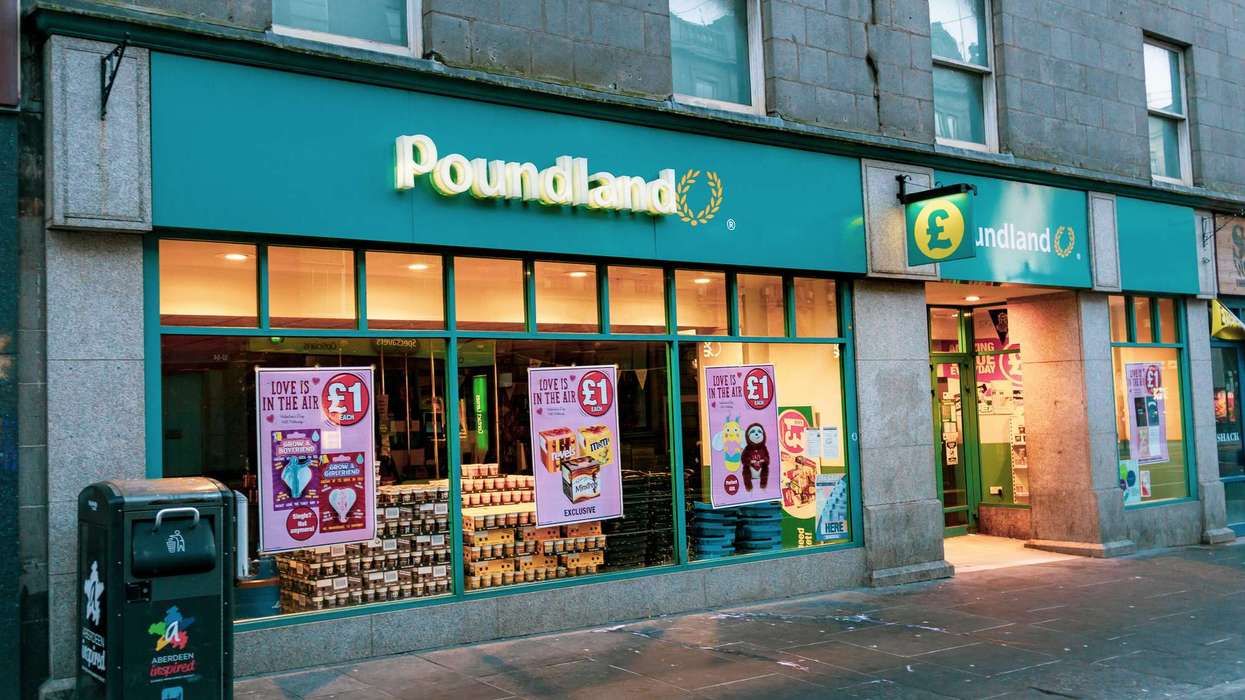
Poundland has entered administration, putting around 10,000 jobs at risk and raising questions over the future of its 600 stores across the UK and Ireland just weeks before Christmas.
The discount retailer's directors appointed administrators from AlixPartners on Wednesday (25), after its US owner Gordon Brothers failed to secure a buyer willing to take over the business as a whole. The chain will continue trading for now, but the administration process could lead to a break-up, with rival retailers potentially acquiring selected stores.
The company employs more than 10,000 people, although the figure is understood to have fallen by around 2,000 in the past month. Its suppliers are also exposed, with around 2,000 businesses facing the loss of a major customer and potentially millions of pounds in unpaid payments for stock already delivered.
Bally Auluk, national officer for shopworkers' union Usdaw, described the development as “devastating news” for members. He said staff had recently been praised by management for helping to improve the business.
“There is never a good time for this to happen, but just before Christmas has to be the worst,” he said.
Are Poundland stores closing immediately?
No. All Poundland shops and distribution centres remain open while administrators examine possible options for the business.
AlixPartners said the sale process had failed to identify “a viable solvent solution for the business as a whole”. It will now consider selling Poundland or its assets, either together or in parts.
That leaves the door open for other retailers to acquire individual stores or groups of locations. Businesses including B&M, Poundstretcher, The Range and Tesco have previously been linked to interest in parts of the chain, although there is no guarantee that any proposed deal will be completed.
A break-up could preserve some shops and jobs if new owners take over their leases and operations. However, locations that fail to attract buyers could close, leaving workers facing redundancy and communities without a familiar discount retailer.
The process also affects Poundland's Irish operations, which trade under the Dealz name. The administrators have invited potential buyers interested in the business, its assets or employment opportunities to make contact.
Why did Poundland fail to secure a rescue deal?
The administration follows months of uncertainty over the retailer's ownership and finances. Gordon Brothers bought Poundland from European retail group Pepco for a nominal £1 in June 2025, taking on a business already under pressure from rising costs and competition.
The new owner backed a restructuring programme that included more than 100 store closures. But inflation, weaker sales and pressure on profit margins continued to weigh on the retailer as it competed with discount chains such as B&M and Home Bargains, supermarkets and online sellers.
Gordon Brothers launched a sale process in September, but negotiations with potential buyers failed to produce an acceptable offer for the entire business. Martin Property Group, a Northern Ireland-based family business that had been working with Poundland's management, remained interested in a rescue. German investor Zachert Private Equity also made a late bid.
Gordon Brothers said it had “explored every avenue to secure a sale of the whole company”, but argued that Poundland remained vulnerable to inflation and any downturn in sales or margins. The owner also said it had supported the retailer's restructuring in July 2025 when no other party was willing to finance the business.
The decision has attracted criticism from the union and MPs. The Business, Innovation and Science and Trade Committee has raised questions about payments and fees taken by Gordon Brothers while Poundland was under financial pressure. Documents presented to MPs showed the investment firm had received close to £20m in interest payments and various fees, including those linked to store closures.
Committee chair Liam Byrne has recalled Gordon Brothers' UK director Mark Newton-Jones to give further public evidence. The committee is also seeking assurances that the owner or related parties will not take on an insolvency role in relation to the retailer.
Poundland's directors told staff and suppliers they were “deeply saddened” by the outcome. Managing director Barry Williams said the result would be as disappointing to suppliers as it was to the company.
The government has also expressed concern about the impact on workers and high streets. Andy Burnham said the administration would be deeply worrying for employees and their families, adding that efforts would be made to secure a deal that protects jobs and keeps as many shops open as possible.
For now, Poundland continues to trade, but its future depends on whether administrators can find buyers for enough of its stores and operations. The outcome will determine not only how much of the chain survives, but also how many employees and suppliers are left facing losses during one of the busiest periods of the retail year.