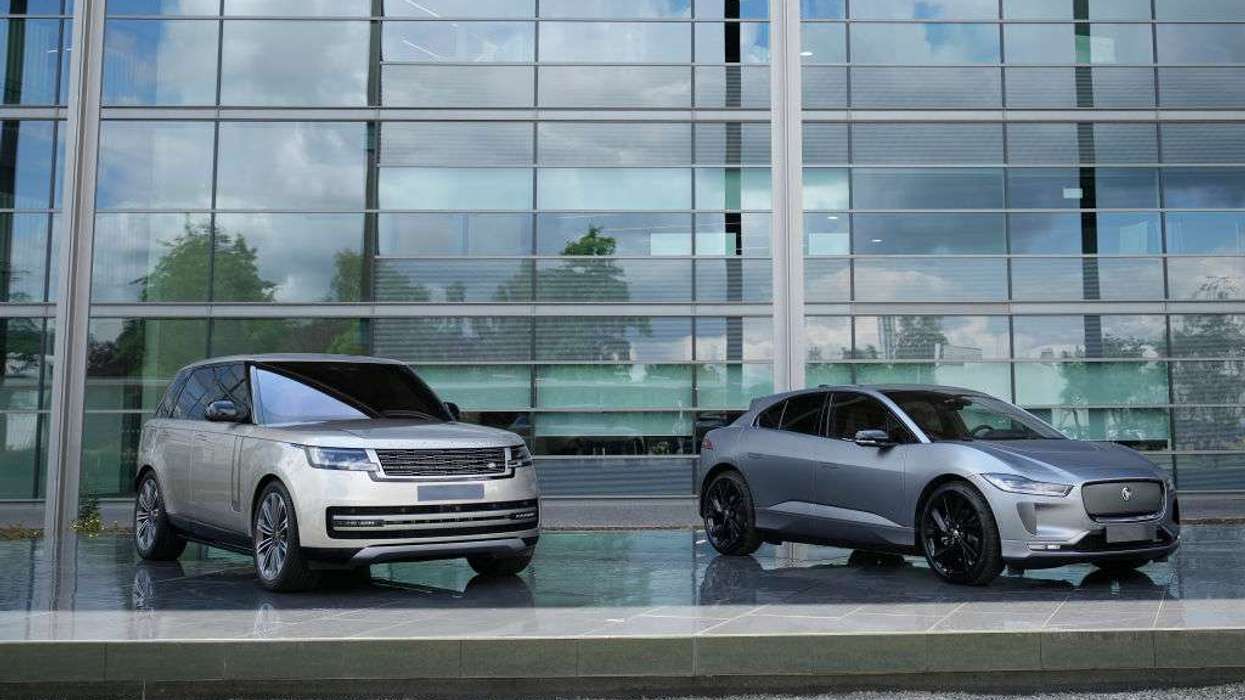

- Public EV charging now costs about 15p per mile, below petrol and diesel
- Petrol prices have risen to £1.57 per litre, diesel to £1.89
- Electric cars are now slightly cheaper to buy on average than petrol models
For a long time, the argument was simple. Electric vehicles were cheaper to run only if you charged them at home. If you relied on public charging, petrol and diesel still came out ahead. That balance now appears to be shifting. Fresh data suggests electric vehicles in the UK are, for the first time in over a year, cheaper to run per mile even when using public chargers.
The change is being driven less by falling electricity costs and more by rising fuel prices. Since late February, when tensions escalated following the US and Israel’s conflict with Iran, petrol and diesel prices have climbed sharply. According to the RAC, petrol now averages £1.57 per litre, up by around 24.5p, while diesel has reached £1.89, up by 47.4p. That has pushed the running cost of a typical petrol car to about 16.7p per mile, with diesel slightly higher at 17.4p.
By comparison, charging an electric vehicle using a standard public charger, priced at roughly 54p per kilowatt hour, works out at around 15p per mile. That places EVs just below petrol and diesel in terms of running cost, even without access to home charging.
When electric starts making financial sense
The gap is still narrow, and it depends heavily on how drivers charge. Those who split charging between standard and rapid chargers, roughly 80 per cent and 20 per cent, end up paying about 16.3p per mile. That is still broadly in line with petrol.
However, drivers who rely entirely on rapid chargers, often found along motorways and priced closer to 76p per kilowatt hour, face costs of about 21.2p per mile. In those cases, electric cars remain more expensive to run.
Public charging continues to carry a structural cost disadvantage due to tax. Electricity used at home is charged at 5 per cent VAT, while public charging is taxed at 20 per cent. That gap has long been a sticking point for the industry and remains one of the reasons why savings are uneven across households.
Still, there are signs that more drivers are beginning to reconsider the economics. Melanie Shufflebotham from Zapmap reportedly said that for drivers using a mix of home and public charging, cost savings compared with petrol or diesel cars are at their highest level since May 2024.
The bigger shift is not just at the pump
Running costs are only one part of the picture. The upfront price of electric cars has also started to move. Data from Auto Trader UK shows the average price of a new EV at around £42,620, slightly below the £43,405 average for petrol cars. The difference is not large, about £785, but it marks a notable change in a market where electric vehicles have typically been more expensive to buy.
Part of this shift has been driven by discounts and incentives. EV discounts have been running at around 11.7 per cent in April, compared to roughly 10 per cent across the wider car market. Government support of up to £3,750 has also helped bring prices down.
Demand appears to be responding. Buyer interest in new cars has risen by around 20 per cent in April on Auto Trader’s platform. Electric vehicles accounted for about 22 per cent of new car sales in the first three months of the year, according to industry data. In March alone, around 137,000 electric vehicles were sold, up 14.5 per cent compared with the same month last year.
Even so, the experience is not uniform. Drivers with access to home charging still see the biggest savings, benefiting from lower electricity rates and more predictable costs. Those without driveways remain dependent on public networks, where pricing varies and availability can still be uneven in some areas.
With the UK set to ban the sale of new petrol and diesel cars from 2030, the direction of travel is clear. What is less certain is how quickly cost parity becomes a reality for everyone. For now, the numbers suggest that electric vehicles are starting to edge ahead on running costs, but only just, and not in every scenario.