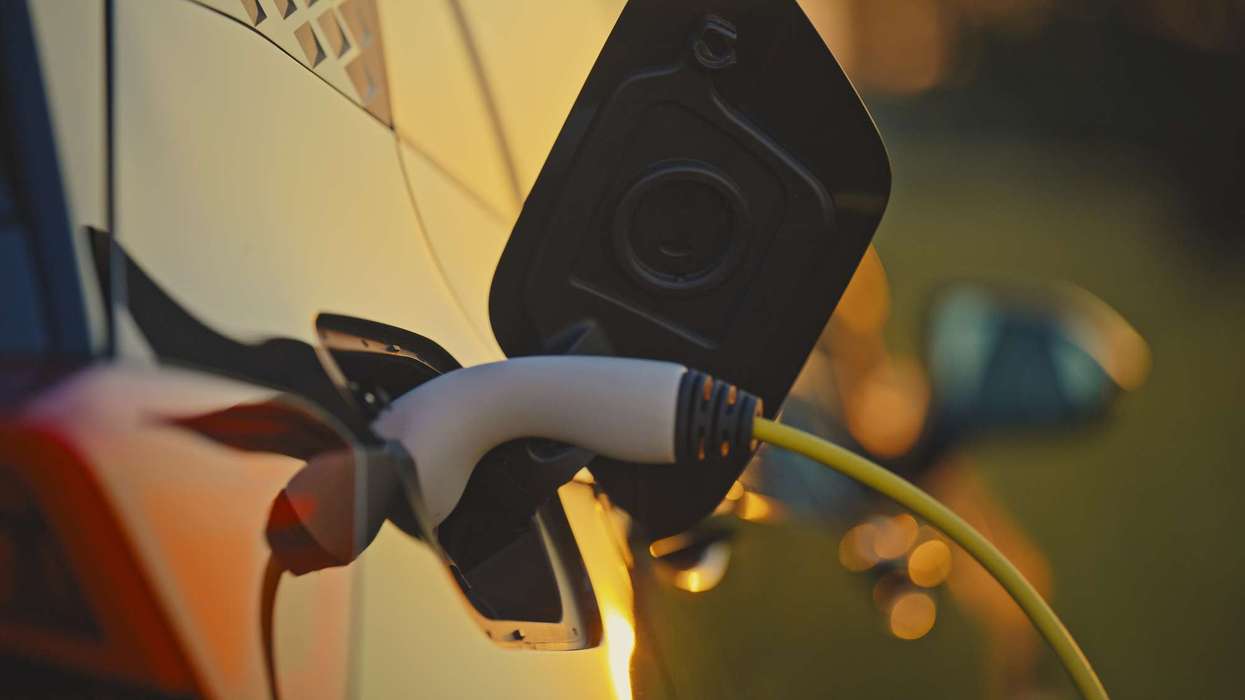

- Electric cars now cost £42,620 on average, undercutting petrol by £785.
- Discounts remain high at 11.7 per cent, keeping EV prices competitive.
- Running costs favour EVs, but charging access still limits savings for many.
Electric cars in the UK have, for the first time, become cheaper to buy than petrol models, marking a notable shift in a market where upfront cost has long been a barrier. Data from Auto Trader UK shows the average price of a new EV at £42,620, compared to £43,405 for a petrol car, a difference of £785 based on advertised prices after discounts.
The shift has been driven by a mix of government incentives and sustained price cuts from manufacturers. Grants of up to £3,750 have helped bring down prices, while carmakers have been offering historically high discounts to meet zero emission vehicle targets and respond to rising competition, including from lower-cost Chinese brands.
Discounting remains elevated, with EV offers averaging 11.7 per cent in April, only slightly down from March’s 12.8 per cent peak during the plate-change period. Across the wider market, discounts stand at around 10 per cent, compared to 8.7 per cent a year earlier. This improved affordability is feeding into demand, with buyer interest in new cars rising by about 20 per cent so far in April on Autotrader’s platform.
The data also shows a changing competitive landscape. MG leads EV interest with an 11.7 per cent share of enquiries, followed by Renault at 7.5 per cent and Kia at 5.9 per cent. At model level, the Renault 5 E-Tech tops demand with a 6.4 per cent share, ahead of the Jaecoo 5 and MG S5.
Battery electric vehicles accounted for 22 per cent of new car sales in the first three months of the year, according to industry data, reflecting a steady shift towards electric options.
Savings on paper, but real costs depend on your lifestyle
While the upfront price gap has narrowed in favour of EVs, the actual financial benefit for buyers is more nuanced.
Electric cars have long been cheaper to run, with lower fuel and maintenance costs due to fewer moving parts and the absence of direct emissions. Rising petrol and diesel prices, partly influenced by global factors, have also made electric alternatives more attractive for cost-conscious drivers.
However, those savings are not evenly experienced. For households with access to home charging, the cost advantage can be significant, offering lower and more predictable energy expenses. For those without driveways, reliance on public charging networks introduces variability in both cost and convenience. Availability remains uneven in some areas, which can affect the overall ownership experience.
Industry voices have described the price shift as a meaningful milestone. Bex Kennett, head of new car at Autotrader, reportedly said the market is becoming more competitive, with manufacturers working to improve both supply and affordability despite regulatory pressures. Gurjeet Grewal, chief executive of Octopus Electric Vehicles, reportedly said that while milestones are often overstated, this shift removes one of the biggest barriers to adoption, adding that EVs are now cheaper to buy as well as run.
Even so, the transition is not without friction. Public charging access, infrastructure gaps and lifestyle constraints continue to influence decisions. The latest pricing data signals progress, but for many buyers, the question is no longer just about purchase cost. It is about whether the overall experience of owning an electric car delivers consistent savings in everyday use.