
Career paths no longer look as predictable as they once did. Many professionals who entered the workforce expecting long-term stability in a single industry are now reevaluating what they want from their careers altogether. Economic uncertainty, burnout, evolving workplace expectations, and the rise of remote work have encouraged people to think differently about professional growth, work-life balance, and long-term security.
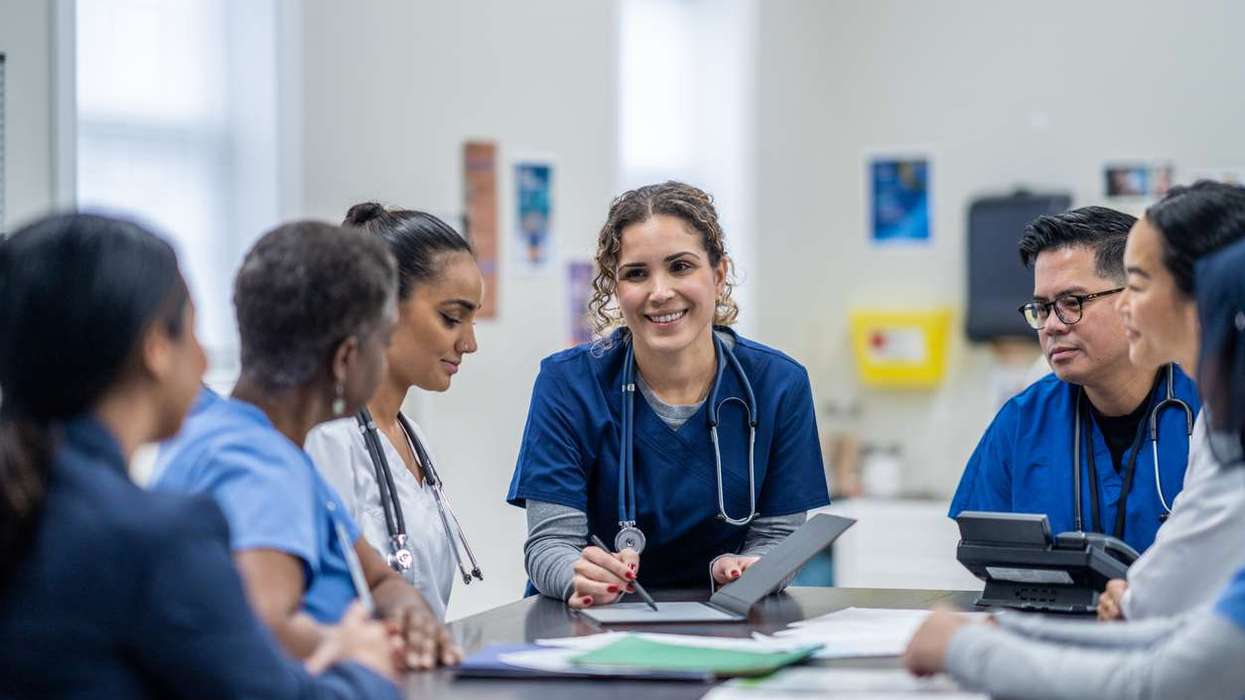
At the same time, healthcare careers are attracting renewed attention from both younger students and experienced professionals looking for a meaningful transition. While healthcare has traditionally been associated with hospitals and highly structured clinical environments, the field itself has expanded significantly in recent years. Today’s healthcare workforce includes professionals working in mental health, rehabilitation support, behavioral services, education, community outreach, wellness coaching, and telehealth environments alongside more traditional medical settings.
One of the biggest reasons behind this growing interest is flexibility. Modern healthcare education pathways increasingly allow working adults to pursue new qualifications while balancing jobs, families, and financial responsibilities. For many career changers, that flexibility makes healthcare feel more accessible than it may have seemed in the past.
Career Changes No Longer Carry the Same Stigma
Not long ago, changing careers midstream was often viewed as risky or unconventional. Many professionals felt pressure to remain in the same field regardless of burnout, shifting interests, or changing economic conditions. Today, however, career transitions have become far more common and widely accepted.
Part of this shift comes from how quickly industries are evolving. Technology continues reshaping entire sectors, automation is changing workplace demands, and remote work has altered how professionals think about daily life and long-term career satisfaction. As a result, many workers are no longer focused solely on climbing a traditional corporate ladder. Instead, they are prioritizing adaptability, stability, flexibility, and personal fulfillment.
Healthcare naturally enters this conversation because it offers opportunities that combine practical demand with human-centered work. Professionals leaving industries affected by layoffs, instability, or limited growth often look toward fields where interpersonal skills remain valuable and long-term workforce demand continues to exist.
Interestingly, many career changers already possess transferable skills that align well with healthcare-related professions. Communication, organization, leadership, empathy, collaboration, and problem-solving are all highly relevant across patient care, behavioral health, education, and wellness environments. Someone transitioning from business, customer service, education, or administration may discover that many of their existing strengths still apply within healthcare-focused roles.
This growing openness to career reinvention has also changed how adults approach education. Returning to school no longer feels limited to recent high school graduates. Professionals in their thirties, forties, and beyond increasingly pursue new certifications, graduate degrees, and specialized training as part of larger career transitions.
Healthcare Careers Are Expanding Beyond Traditional Hospital Roles
Another reason healthcare continues attracting working professionals is that the industry itself has become more diverse than many people realize. While nursing and physician roles remain essential, healthcare now includes a wide network of specialties connected to mental wellness, rehabilitation, preventive care, education, and community support.
For example, many students continue pursuing nursing degrees because they can open pathways into hospitals, outpatient care, case management, telehealth coordination, public health, and specialized patient support services. The profession has evolved alongside technology and changing patient needs, creating opportunities that extend beyond traditional bedside care alone.
Mental and behavioral health fields have also gained visibility as conversations surrounding emotional wellness become more mainstream. Interest in psychology degrees continues growing among students and career changers who want to better understand human behavior, communication, counseling support, and community mental health services. In some cases, these educational backgrounds support direct healthcare careers, while in others they contribute to related fields such as social services, education, nonprofit work, or workplace wellness initiatives.
Rehabilitation and therapeutic support services represent another expanding area. As populations age and healthcare systems place greater emphasis on long-term quality of life, careers connected to mobility, recovery, developmental support, and adaptive living continue gaining importance. These fields often appeal to professionals who want more direct interpersonal interaction and purpose-driven work environments.
Technology has also widened the definition of healthcare work itself. Telehealth platforms, remote consultations, digital patient systems, and virtual wellness services have created new hybrid roles that blend healthcare knowledge with communication and technical skills. This evolution makes healthcare feel more adaptable for professionals who may not envision themselves working in traditional clinical settings full time.
Rather than functioning as a single career track, healthcare increasingly operates as a broad ecosystem with room for different interests, strengths, and educational backgrounds.
Flexible Education Is Reshaping Healthcare Training
One of the most significant factors driving healthcare career transitions is the rise of flexible education models. Many adults interested in healthcare careers already manage full-time jobs, caregiving responsibilities, or financial commitments that make traditional classroom schedules difficult to maintain; online and hybrid learning options have helped remove some of these barriers by allowing students to complete portions of their education remotely while balancing existing responsibilities. This flexibility has become especially important for professionals who cannot afford to pause their careers entirely while pursuing additional qualifications.
Programs connected to healthcare administration, behavioral sciences, patient support, education, and rehabilitation services increasingly incorporate digital learning tools, asynchronous coursework, and hybrid scheduling structures. For many students, this flexibility creates opportunities that may not have existed only a few years ago.
The growing visibility of online occupational therapy programs reflects this broader shift. Working adults exploring healthcare transitions often seek educational options that provide greater scheduling flexibility while still supporting hands-on professional development. These types of programs can make healthcare-related education feel more attainable for individuals balancing employment, parenting, or other long-term responsibilities.
Remote learning has also changed how professionals think about continuing education overall. Instead of viewing education as a one-time milestone completed early in life, many workers now see learning as an ongoing process tied to career adaptation. Healthcare fields in particular benefit from this mindset because they continue evolving alongside technology, research, and community health needs.
Importantly, flexible learning models do not necessarily reduce the rigor of healthcare-related education. Instead, they often allow students to approach training in ways that better align with modern professional realities. For career changers especially, accessibility and scheduling flexibility may determine whether pursuing a new path feels realistic at all.
Why Stability and Human Connection Matter More Today
Modern workforce conversations increasingly revolve around uncertainty. Automation, artificial intelligence, economic fluctuations, and rapid technological change have left many professionals questioning the long-term sustainability of certain industries and roles. In response, people are paying closer attention to careers built around interpersonal connection, communication, and community impact.
Healthcare continues attracting interest partly because it remains deeply human-centered. While technology now supports many aspects of patient care and administration, the need for empathy, trust, emotional understanding, and direct communication remains difficult to replace. Roles connected to wellness, rehabilitation, mental health, education, and patient support still rely heavily on human interaction; for many professionals, this creates a sense of long-term relevance that feels increasingly valuable in an unpredictable labor market. Careers that involve helping others, supporting recovery, improving quality of life, or strengthening communities often provide a level of purpose that some workers feel missing in highly automated or purely transactional industries.
There is also growing recognition that healthcare extends beyond physical treatment alone. Emotional wellness, behavioral support, preventive care, and community health initiatives have become more integrated into larger conversations about quality of life. Professionals entering healthcare-related fields today may find themselves participating in broader efforts connected to social wellbeing rather than narrowly defined medical systems alone.
Flexibility also plays an important role here. Many working adults are no longer willing to sacrifice personal wellbeing entirely for career advancement. Educational pathways and healthcare roles that support more adaptable schedules, remote collaboration, or hybrid work environments naturally become more attractive as professionals reassess what sustainable careers actually look like.
Conclusion
Healthcare careers are attracting growing interest from working professionals not only because of workforce demand, but because the field increasingly aligns with modern career priorities. Flexibility, adaptability, meaningful work, and long-term relevance have become central considerations for people navigating changing industries and evolving professional goals.
At the same time, educational pathways into healthcare have become more accessible through hybrid and online learning models that support working adults balancing multiple responsibilities. Whether someone is exploring nursing, behavioral health, rehabilitation support, or community wellness roles, modern healthcare education now offers more entry points than many professionals may have previously realized; career changes may still feel intimidating, but they have also become far more common in today’s workforce. As industries continue evolving, many professionals are discovering that flexible healthcare pathways can offer not only stability, but also a renewed sense of purpose and connection in their work.