
AS BRITAIN heads to the polls on May 7, a disturbing pattern has emerged across the country’s local election contests.
Candidates from multiple parties have been exposed making Islamophobic, antisemitic and racially offensive posts on social media – a trend that reflects a deeper rot in British political culture.
Millions of people next month head to the polls across England, Scotland and Wales, electing representatives to national parliaments, local councils and mayoral offices and the results will reflect the impact of right-wing views that are creating deeper fractures in society.
According to the State of Hate 2026 report by HOPE not Hate, published last month, the UK far right is becoming “bigger, bolder and more confrontational”, with activity now spanning electoral politics, street protests and sprawling online networks.
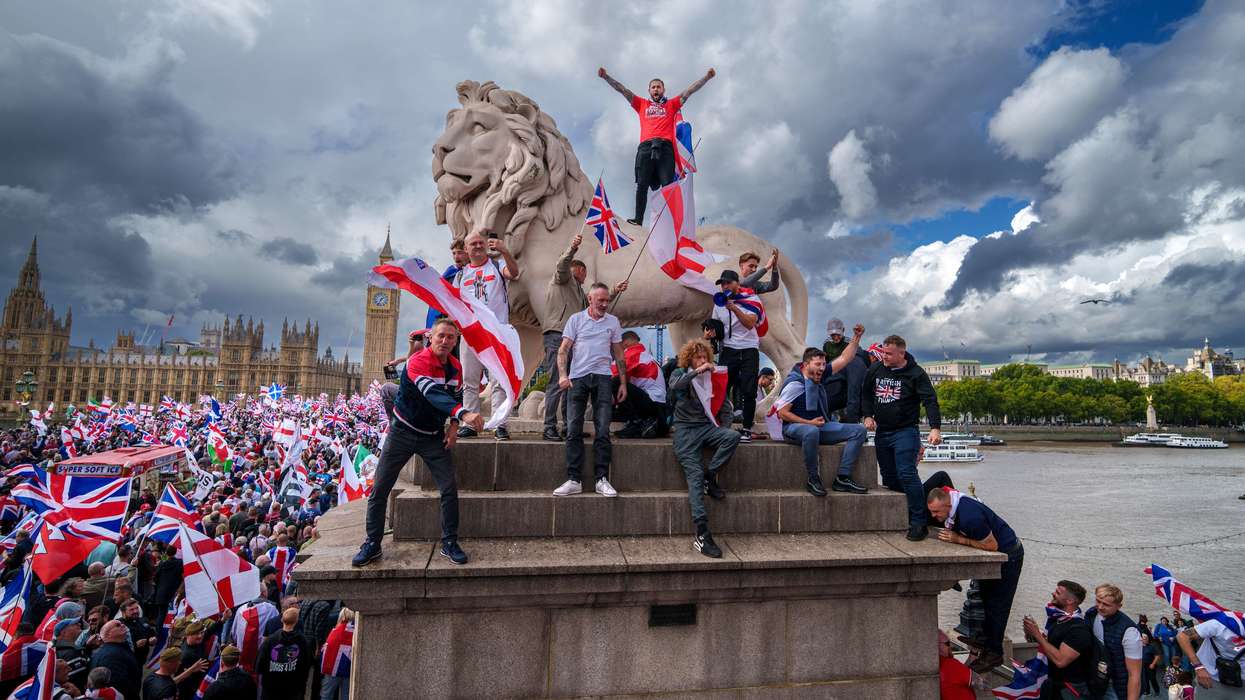
In 2025 alone, there were more than 251 anti-migrant protests across the country. Last September saw the “Unite the Kingdom” rally in London, described by the report as the largest far-right protest in British history, drawing an estimated 150,000 people.
The report pointed out that around 26 per cent of Britons now view the Unite the Kingdom movement positively. Among men aged 25 to 34, that figure rises to nearly 50 per cent — suggesting that far-right sentiment is not merely being tolerated, it is being normalised among a generation that will be shaping British politics for decades to come.
One in three adults has encountered civil war narratives online or in conversation. Eight per cent believe civil war is “very likely” within five years; a further 23 per cent consider it “quite likely.”
Peter Kane, events and communications coordinator at the LSE International Inequalities Institute, argued that the violence and hostility being expressed this election season should not be dismissed as isolated incidents of thuggery. It is, he said, “a structural crisis” shaped by years of anti-migrant rhetoric cascading down from the top of British political life into the streets and, now, onto the ballot paper.
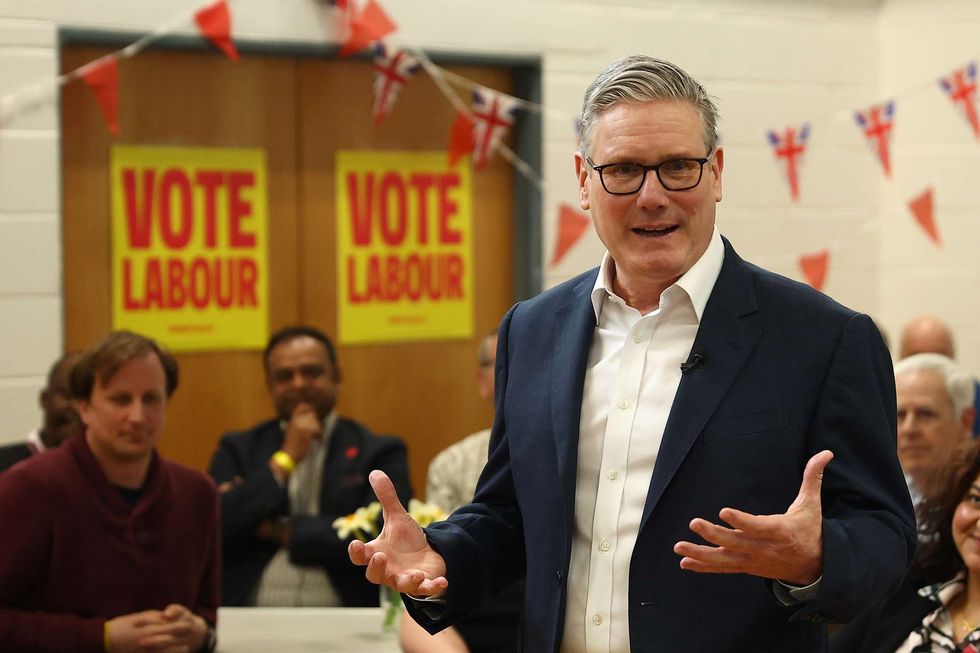 Sir Keir StarmerGetty Images
“Mainstream politics and media have normalised racist and Islamophobic narratives,” Kane added, warning that government responses have too often focused on managing disorder, rather than addressing its root causes. He is particularly critical of what he calls the “good migrant versus bad migrant” framing that has come to dominate political discourse — the implicit suggestion that some people fleeing persecution are worthy of sympathy while others are threats to be repelled.
“Policies are racist by design,” he said, pointing to the way hostile environment measures have been built into the architecture of the immigration system itself.
Most recently, in North Harrow, a ward in one of London’s most ethnically diverse boroughs, Will Jackson had been selected by the Conservatives to stand in the local elections.
Over several months, posts sent from an account associated with Jackson on X contained highly offensive comments directed at Asian MPs. The Tories last week suspended Jackson and withdrew support from his campaign. However, because the posts came to light after the official deadline for nominations had passed, Jackson will remain listed as a Conservative candidate on the ballot paper on May 7.
And a few weeks prior, shadow justice secretary Nick Timothy described a Ramadan prayer in Trafalgar Square as “an act of domination and division”, and called on the public not to be welcome in shared civic spaces.
He said, “Perform these rituals in mosques if you wish. But they are not welcome in our public places and shared institutions,” and he added that “the domination of public places is straight from the Islamist playbook.”
Prime minister Sir Keir Starmer called on Tory leader Kemi Badenoch to sack Timothy from the shadow cabinet. But Badenoch refused. “This is a country where we have freedom of religion, but we also have freedom of speech and they can coexist,” she said. “For too long, Conservatives were often afraid to scare the horses and were worried about making a fuss, letting things slide. Not under my leadership.”
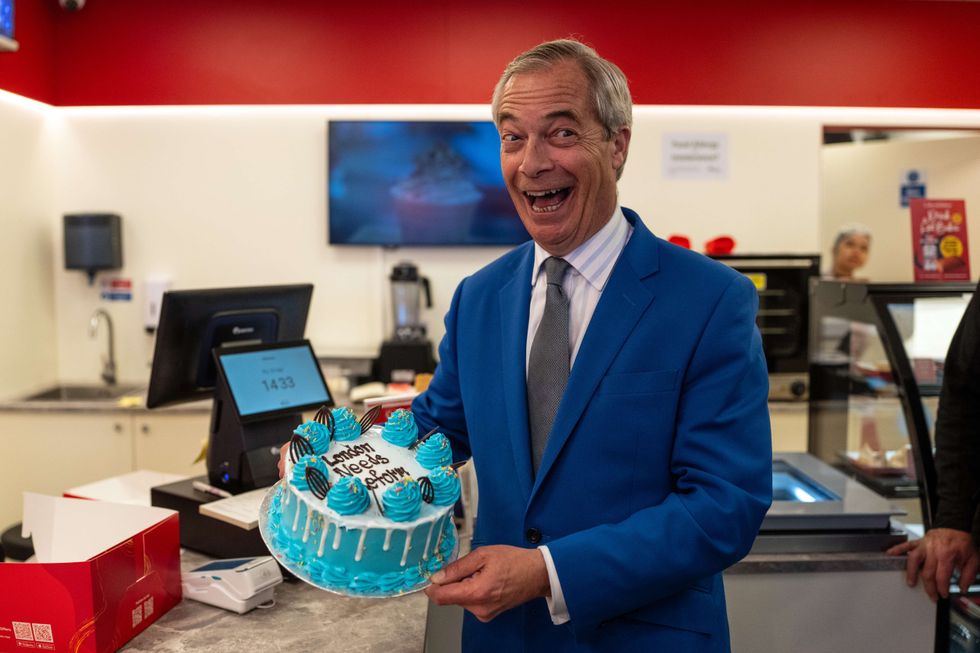 Nigel FarageGetty Images
Thirty parliamentarians demanded a formal investigation into Timothy’s remarks. He was later cleared of any wrongdoing.
In west London, Reform UK’s candidate for Ickenham and South Harefield, Howard Dini, published posts openly calling for Muslims to be shot. Another celebrated the prospect of Palestinian deaths.
When challenged, Dini dismissed his critics as people who “enjoy our country being invaded.”
In Bexley, Reform’s Caroline Panetta retweeted posts claiming London mayor Sir Sadiq Khan intended to turn London into “Londonstan,” and labelled Islam “the religion of rape, incest and paedophilia.”
The Green Party has not been immune. Camden’s Green council candidate Aziz Hakimi shared antisemitic posts alleging that “Zionists” were responsible for the 9/11 attacks and that the Golders Green ambulance attack, in which four Hatzola emergency vehicles were deliberately set ablaze outside a synagogue in March, was a “false-flag” operation.
And in Croydon, Green candidate Mark Adderley shared posts comparing Israel to Nazi Germany and attributed responsibility for the Golders Green attack to Israeli prime minister Benjamin Netanyahu.
The pattern is clear even where it crosses party lines: in an era of algorithmic outrage, social media has become a pipeline for the mainstreaming of hate, and Britain’s political parties, particularly those doing rapid, large-scale candidate selection, have catastrophically failed to keep it out.
The UK has endured a prolonged cost-of-living crisis. Mortgage rates spiked sharply following the mini-budget fallout of 2022, and while inflation has eased, household finances remain stretched. NHS waiting lists are still measured in millions. Housing, particularly in London and the southeast, is unaffordable for those on ordinary wages.
When people cannot get a doctor’s appointment, when their children cannot afford to rent, when they see rough sleepers and overloaded food banks, they look for explanations.
Kane is direct about the role political language plays in this process. Slogans like “stop the boats,” he said, do not merely describe a policy position — they actively fuel hostility towards people seeking asylum.
According to him, creation of safe and legal routes, and a fundamental shift towards a more humane migration narrative across the political spectrum is the need of the hour.
Without that shift, he warned, the structural conditions that produce the kind of candidates now appearing on local ballots across England will simply keep regenerating.
The HOPE not Hate report identifies Reform UK as now a central force in far-right politics, with 270,000 members, nearly 500 branches, eight MPs and 965 council seats.
Its formal policy platform includes proposals to deport up to 600,000 asylum seekers.
But the report pointed to something even more troubling within the party’s base: 54 per cent of Reform UK members believe non-white British citizens born abroad should be removed or encouraged to leave the country, compared with 24 per cent who hold the same view about white citizens.
Home secretary Shabana Mahmood last month mooted “the most sweeping asylum reforms in modern times,” modelling them on Denmark’s approach. She described her approach as “firm but fair.” Critics on the left, however, said it is a capitulation to a narrative set by Reform leader Nigel Farage, meanwhile critics on the right said it does not go nearly far enough.
Starmer’s “island of strangers” speech last year, for which he later expressed regret, was a watershed moment, widely condemned for echoing Enoch Powell’s claim that white Britons would become “strangers in their own country.”
According to the Guardian, both Labour and Conservative MPs are now speaking about immigration in more hostile terms than at almost any point in the past hundred years.
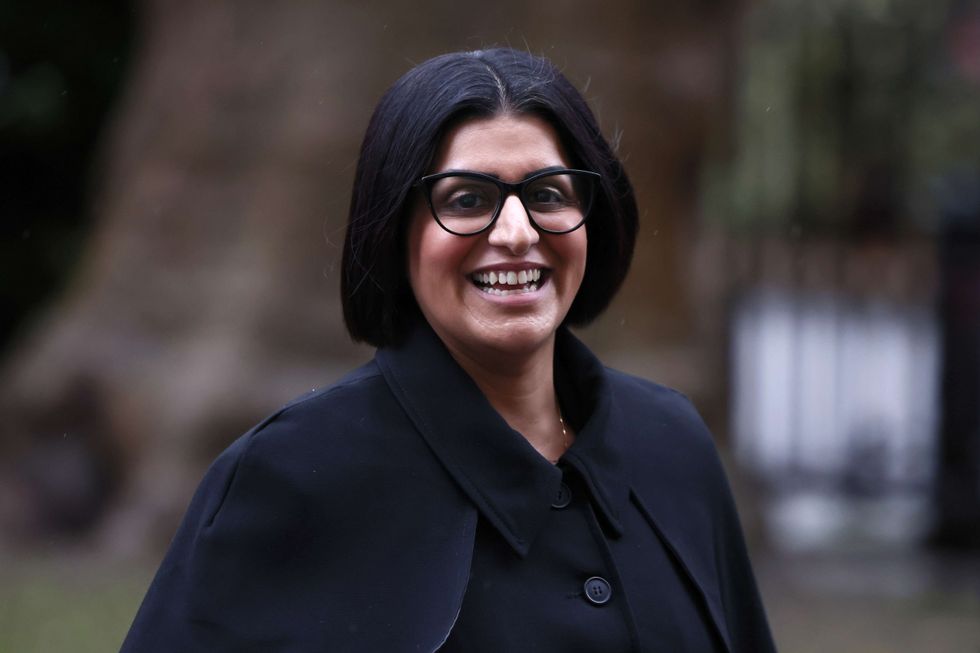 Shabana Mahmood Getty Images
Beyond the ballot box, the consequences of the right-wing rhetoric are playing out on Britain’s streets. Last year, 19 individuals were convicted of far-right terror offences. According to Hope not Hate, online ecosystems have created decentralised movements where “thousands of individuals contribute” to far-right causes without any central coordination - making them harder to monitor, disrupt or counter.
The May elections are the first real electoral test of whether the political realignment of the past few years has hardened into a new settlement or remains in flux. Reform UK is polling strongly and is expected to make significant gains in English councils. Labour faces what one LSE professor called a potential “political earthquake” in London. The Greens and Liberal Democrats hope to capitalise on Labour’s unpopularity. Pro-Gaza independent candidates are targeting wards with large Muslim populations, reflecting continued anger over the conflict in the Middle East.
The HOPE not Hate report is careful to note that most people in Britain still reject extremism. “Given an option between hope and hate,” it concluded, “most people do choose hope.”
But it is equally clear-eyed about the scale of what has shifted. The far right is no longer confined to the fringes. It “spans electoral politics, street mobilisation, extremist subcultures, and global online ecosystems” — and the report concluded that the threat now constitutes “a challenge to national security”, requiring a coordinated response from politics, civic society and government alike.