
THE UK economy could face a hit of up to £6 billion this year if US president Trump goes ahead with new trade tariffs linked to the dispute over Greenland, with the car industry expected to be most affected.
British exporters have been warned of a further 10 per cent tariff on goods sent to the United States from February 1, rising to 25 per cent in June, on top of the existing 10 per cent levy.
Economists said the impact would likely be limited to a small number of industries and noted that the UK has so far shown resilience to Trump’s trade policies. Simon French, chief economist at Panmure Liberum, told The Times the threat was unwelcome but unlikely to push the UK into recession. He said average quarterly growth of 0.3 per cent this year could be reduced by up to 0.05 per cent.
Goods exports to the US make up about 2 to 3 per cent of UK economic output, lower than in other major European economies. Philip Shaw, chief economist at Investec, told The Times the Bank of England could respond to any signs of weakness with further interest rate cuts.
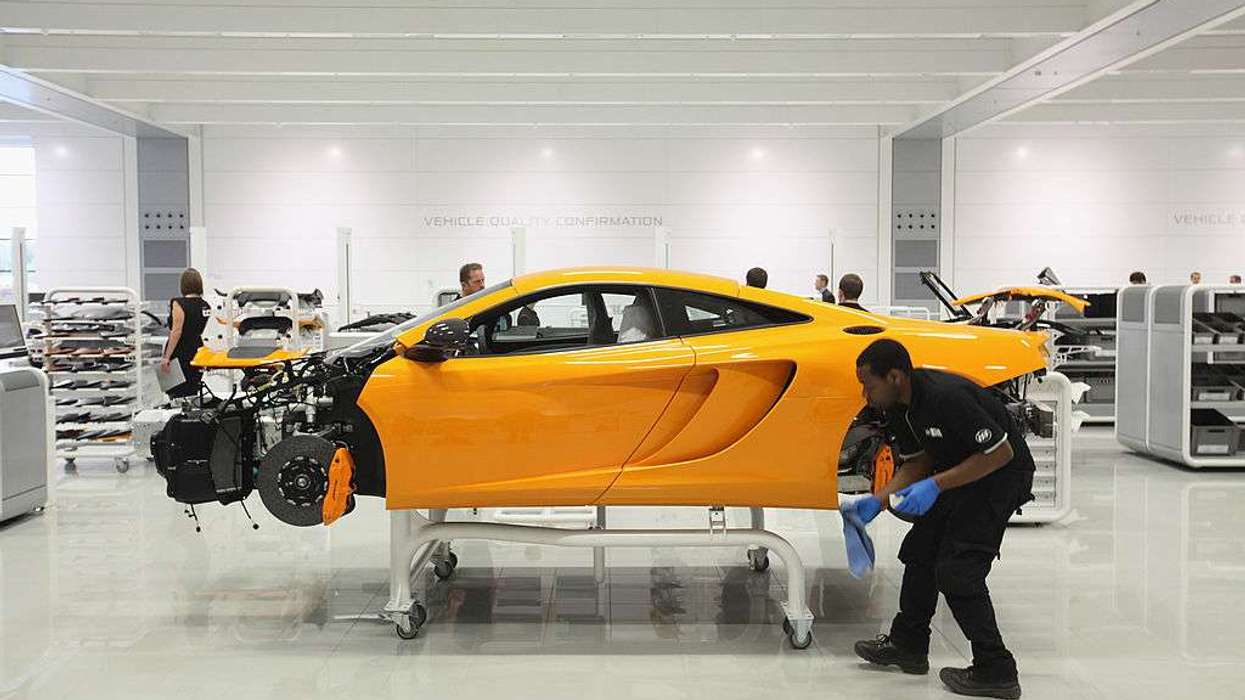
The car industry is among the most exposed sectors. It accounted for £10 billion of UK goods exports to the US in the year to June, according to the Department for Business and Trade.
Exporters may have to choose between raising prices for US consumers or absorbing the cost impact.
The Society of Motor Manufacturers and Traders said it was “monitoring” the situation. Richard Rumbelow of Make UK said manufacturers were concerned “by escalating rhetoric that risks spilling over into trade policy”. He told The Times new tariffs would lead to “higher costs, disrupted supply chains and reduced business confidence”, adding: “This is already having a real impact.”
It remains unclear whether higher tariffs will be imposed. Some tariffs introduced last April have since been reduced, and the US Supreme Court is expected to rule on the legality of Trump’s use of emergency powers to impose them.