
Highlights
- Growth to halt in Q2 and Q3 2026.
- Consumer confidence drops faster than Ukraine war period.
- Living standards to fall 0.3 per cent this year.
The jobless rate will jump from 5.2 per cent before the conflict to 5.8 per cent next year.
This takes it to levels last seen in 2014. The number of people looking for work will climb from 1.87 million today to over 2.1 million.
Jobs market under strain
Matt Swannell, chief economic adviser at the Item Club, explains why businesses will cut jobs. He warns the country is "flirting with recession" as multiple economic pressures converge.
"The recent spike in energy prices and disruption to supply chains will be the biggest jolt to the jobs market since the pandemic," he told The Telegraph.
"Faced with higher costs and soft demand, we think businesses will reduce headcount, causing almost 250 thousand more people to become unemployed."
The warning comes from the Item Club, whose economists use the same model as the Treasury. This means chancellor Rachel Reeves will likely see similar bad news in official government forecasts.
Companies are already struggling. EY reported more profit warnings from businesses in March.
Jo Robinson, an EY-Parthenon partner, noted that the war would "overlap with existing business challenges and amplify the strain on earnings for some".
The job losses will come as firms face a double problem. Energy costs have jumped sharply while supply chains suffer serious disruption.
At the same time, customer demand is getting weaker as families spend less money.
Wider economic pressure
The jobs crisis is part of a bigger economic slowdown. Growth will stop completely in the second and third quarters of 2026 as the Iran war pushes energy costs much higher. This leaves the UK at risk of recession.
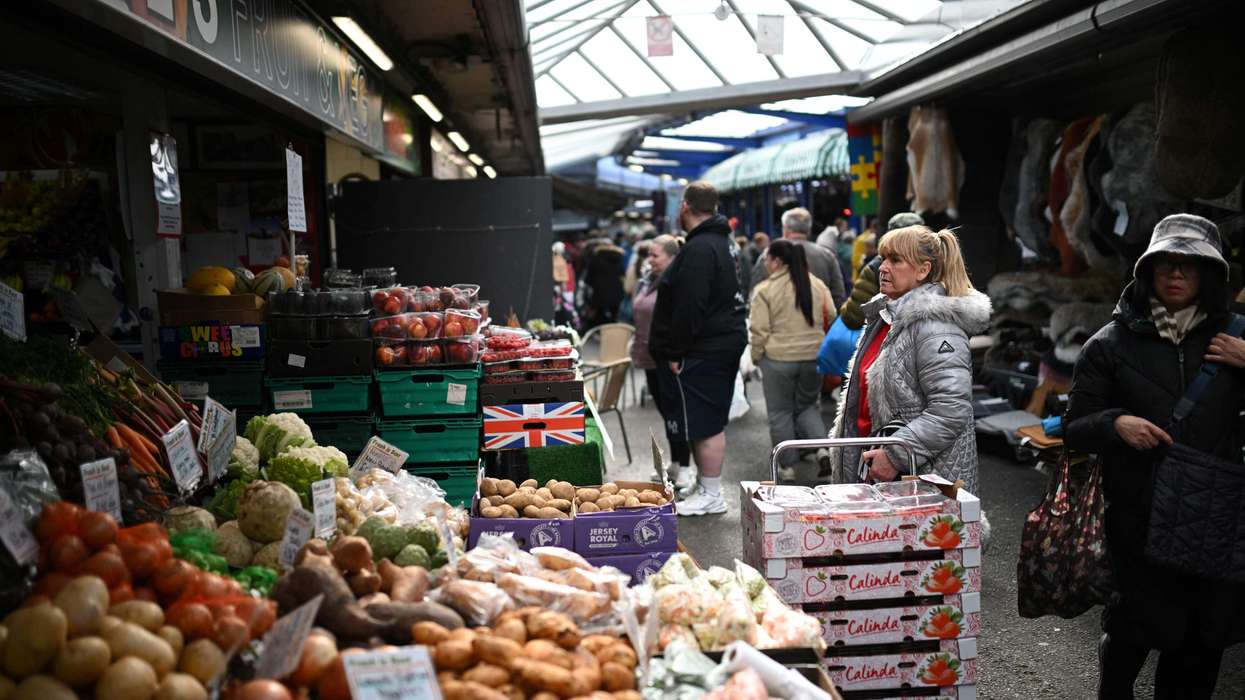 Living standards will fall by 0.3 per cent this year as inflation rises faster than wagesGetty Images
Consumer confidence has dropped faster than any time since Russia invaded Ukraine in 2022. Families worry more about their income, job security and career prospects, a Deloitte survey shows.
Living standards will fall by 0.3 per cent this year as inflation rises faster than wages. This means people will be poorer even if they keep their current jobs.
Céline Fenech from Deloitte describes the growing pressure. "The impact of recent geopolitical events on the price of energy will likely feel like another setback for consumers,".
"Many were already facing a squeeze on their household budgets at the start of the year with the slowing of wage growth and a cooling jobs market", she added.
Chancellor Reeves is meeting bosses from Britain's five biggest banks this week. Leaders from Barclays, Lloyds, NatWest, HSBC and Santander will talk on Wednesday about how the war affects household and business money.
Official figures showed GDP grew by 0.5 per cent in the three months to February. This suggested the economy was getting stronger before the war in Iran started.