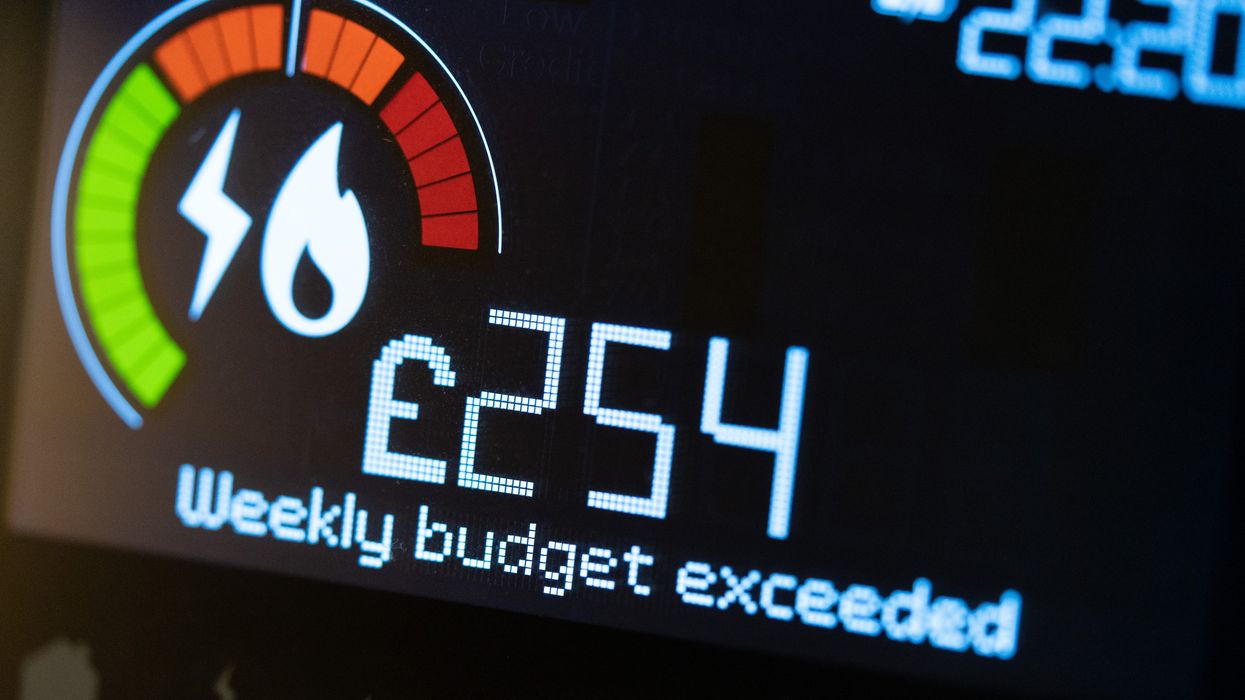

MILLIONS of households across Britain will see reduced energy bills starting July, after the regulator Ofgem announced a 7 per cent cut to its price cap. This is the first cut in nearly a year and comes amid ongoing pressure on household budgets.
The price reduction follows data showing inflation rose more than expected in April, highlighting continued concerns over living costs.
Even with the latest cut, domestic energy bills remain about 50 per cent higher than they were in summer 2021. The increase dates back to the energy crisis triggered by Russia’s invasion of Ukraine, which caused a sharp rise in gas prices across Europe.
Consumer groups said the drop is not enough to make bills affordable for many people.
"Any fall in the price of energy is always welcome news, but this is a short fall from a great height. Bills remain punishingly high for low-income households," said Adam Scorer, chief executive of the charity National Energy Action.
Tim Jarvis, Ofgem’s director general of markets, encouraged people to explore other options. “The first thing I want to remind people is that you don’t have to pay the price cap – there are better deals out there so it’s important to shop around,” he said in a press release. He added that alternative deals could be up to 200 pounds cheaper per year.
Prime minister Keir Starmer on Wednesday said he was aware that older people were still feeling the impact of high energy prices. He said he wanted to expand eligibility for winter fuel payments after last year’s reduction.
Ofgem said the new cap would be set at 1,720 pounds a year for average usage of gas and electricity. This marks a fall of 129 pounds from the cap in place for April to June.
The regulator said the cut reflects lower global wholesale prices, along with some changes to supplier business costs.
“Global wholesale prices for energy have gone down. While this is the main cause, changes to supplier business costs have also made an impact on energy prices falling,” Ofgem said in a statement.
The price cap, introduced in 2019, currently covers about 65 per cent of UK households.
(With inputs from agencies)