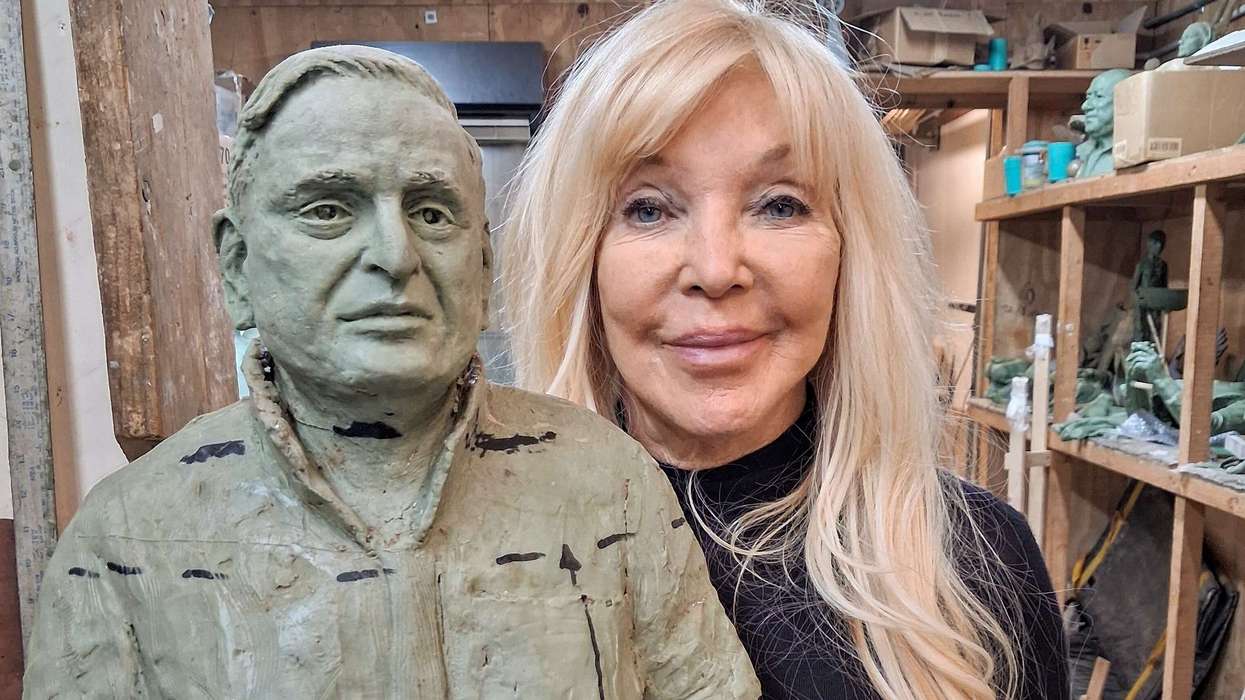

The English sculptor Frances Segelman, who has won fame by making busts of the late Queen, Prince Philip, King Charles, Princess Anne and a host of celebrities during a distinguished 40-year career, has taken on her most unusual commission.
She has nearly completed a 20-ft bronze statue of one of India’s best-known politicians, the late Mulayam Singh Yadav, who was chief minister of Uttar Pradesh, the country’s most populous state, on three separate occasions, and also, briefly, defence minister of India.
“I’ve never done anything as big as this,” admitted Segelman.
She sculpted a 3ft clay maquette in her studio. This was quickly turned – using modern “3D printing” – into 40 pieces of bronze that will be bolted on the inside and welded on the outside to produce the perfect likeness of Mulayam.
What would have taken months in the past using traditional methods can now be done in weeks.
Segelman will be lifted up on a cherry picker to carry out the final finishing process on the bronze known as “patination”.
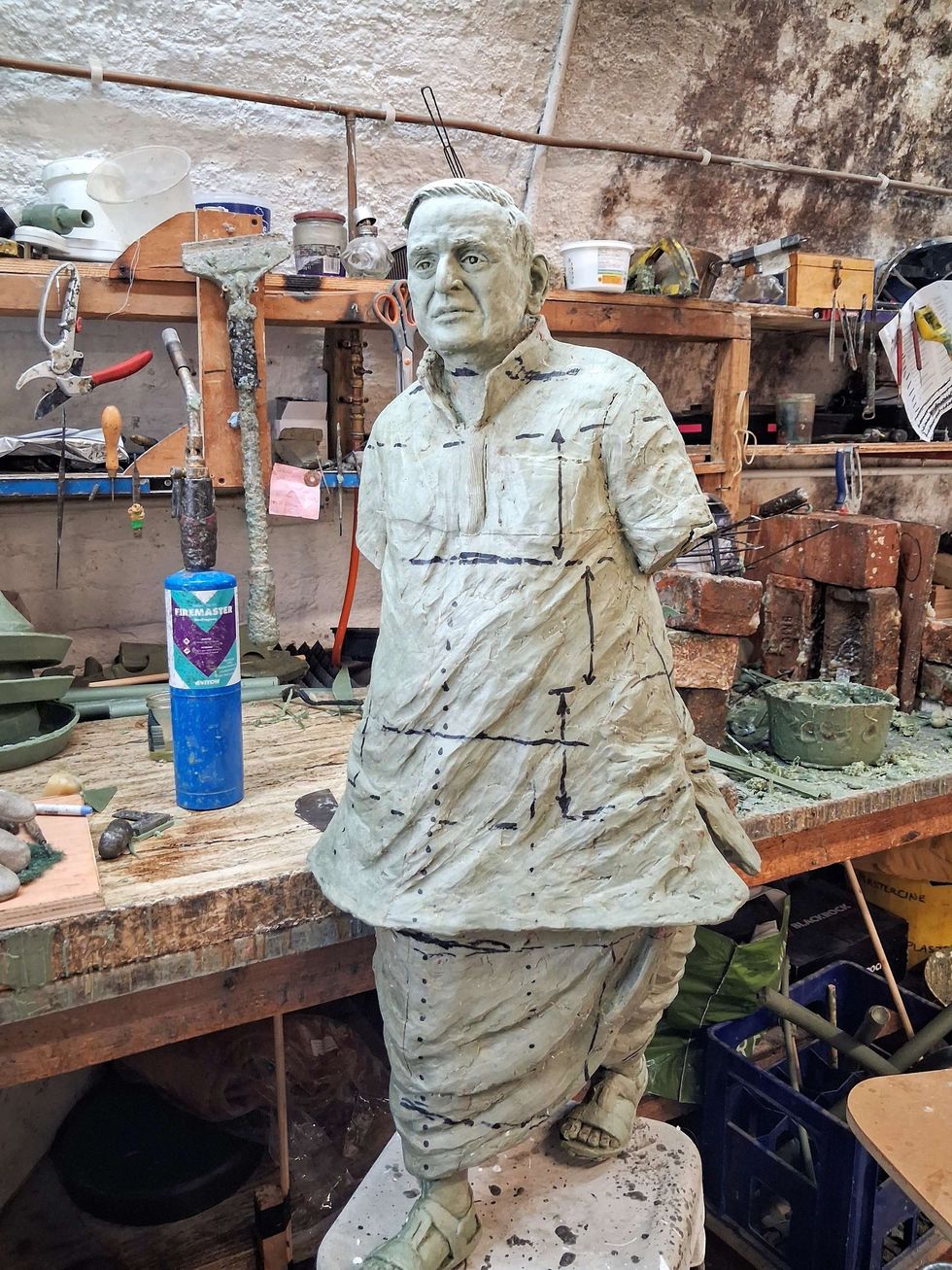 Maquette being finessed Eastern Eye
“I’m not scared of heights,” she laughed. “I will be doing the colouring on that cherry picker. I love the colouring part. It comes to life.”
The statue, weighing 5,000 kilos – 5 tonnes – will be sent to a warehouse, crated flat, and flown to India to be installed on top of a 5ft plinth in February next year.
It will be erected in a Memorial Park in Saifai village, near Agra, where Mulayam Singh Yadav was born on 22 November 1939, and where the last rites were also performed following his death, aged 82, on 10 October 2022.
The idea is to hold the installation ceremony, which Segelman hopes to attend in what will be her first visit to India, just ahead of the assembly elections in Uttar Pradesh.
Segelman said that Mulayam’s 53-year-old son, Akhilesh Yadav, accompanied by his team, has been to her studio on three occasions to make sure she had caught his father’s expression right.
“He obviously loves him very much,” she surmised.
She said he was satisfied with what she had done and had signed off on the finished face.
“Yes, his family have seen it, they have been over,” said Segelman. “They are happy with it.”
Akhilesh is the current leader of the Samajwadi (Socialist) party his father had founded in 1992 to drawn in votes especially from the “backward classes (OBCs), Dalits, minorities (specifically Muslims), and farmers”.
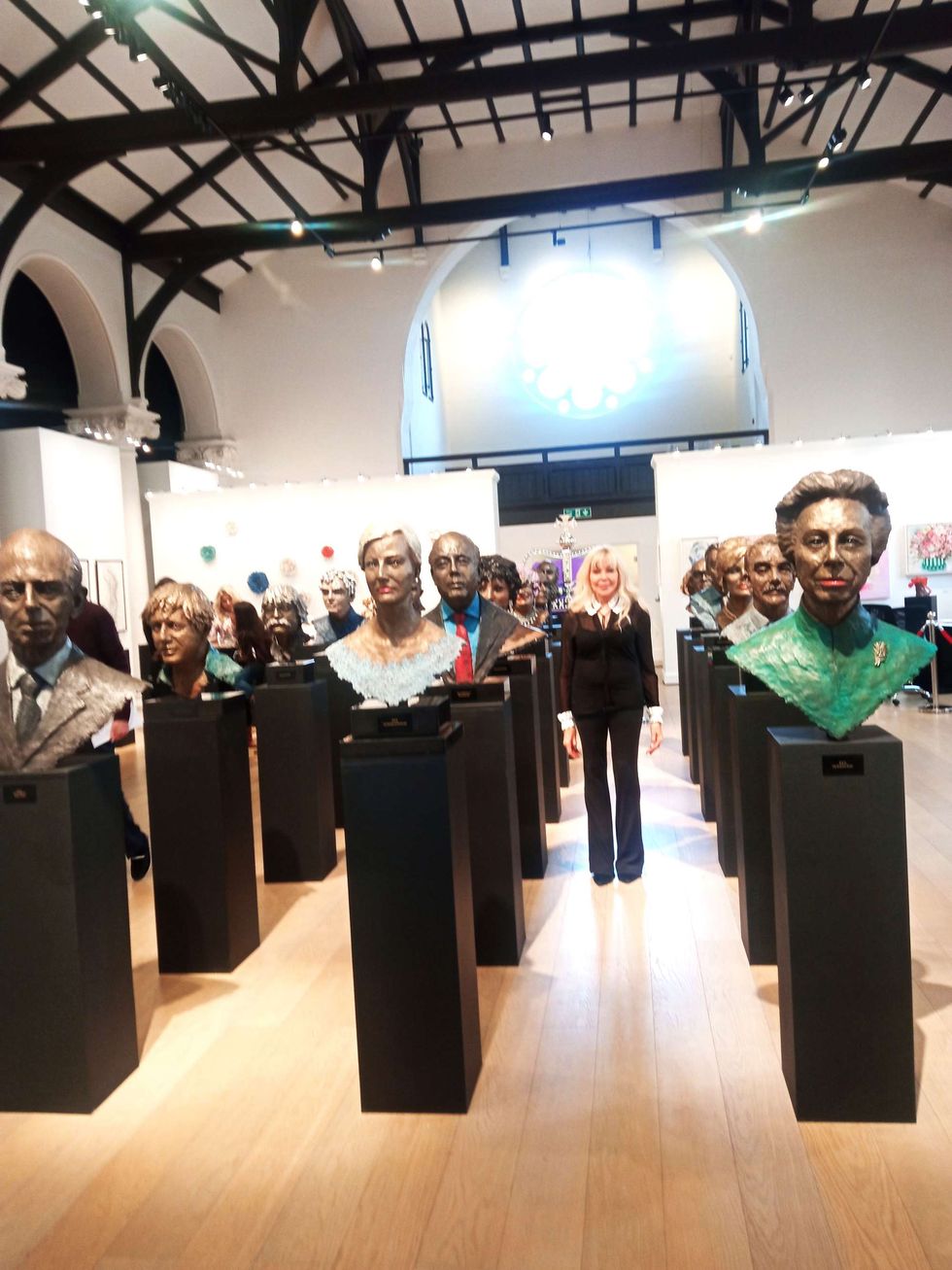 Frances Segelman standing among the many busts of royals and celebrities she has done Eastern Eye
Akhilesh has already started his campaign to try and replace the ruling Bharatiya Janata Party and the chief minister, Yogi Adityanath. The latter is a “Hindu monk”, aged 54, seen by some as a possible successor to the prime minister, Narendra Modi, who has just turned 75.
Akhilesh was himself Uttar Pradesh chief minister from 2012 to 2017.
It was a post that Mulayam, elected to the state assembly 10 times and to the Lok Saba in New Delhi on seven occasions, held from December 1989 to June 1991, December 1993 to June 1995, and August 2003 to May 2000.
He also served as India’s defence minister under prime ministers H D Deve Gowda and I K Gujral from June 1996 to March 1998. But Uttar Pradesh was his political base.
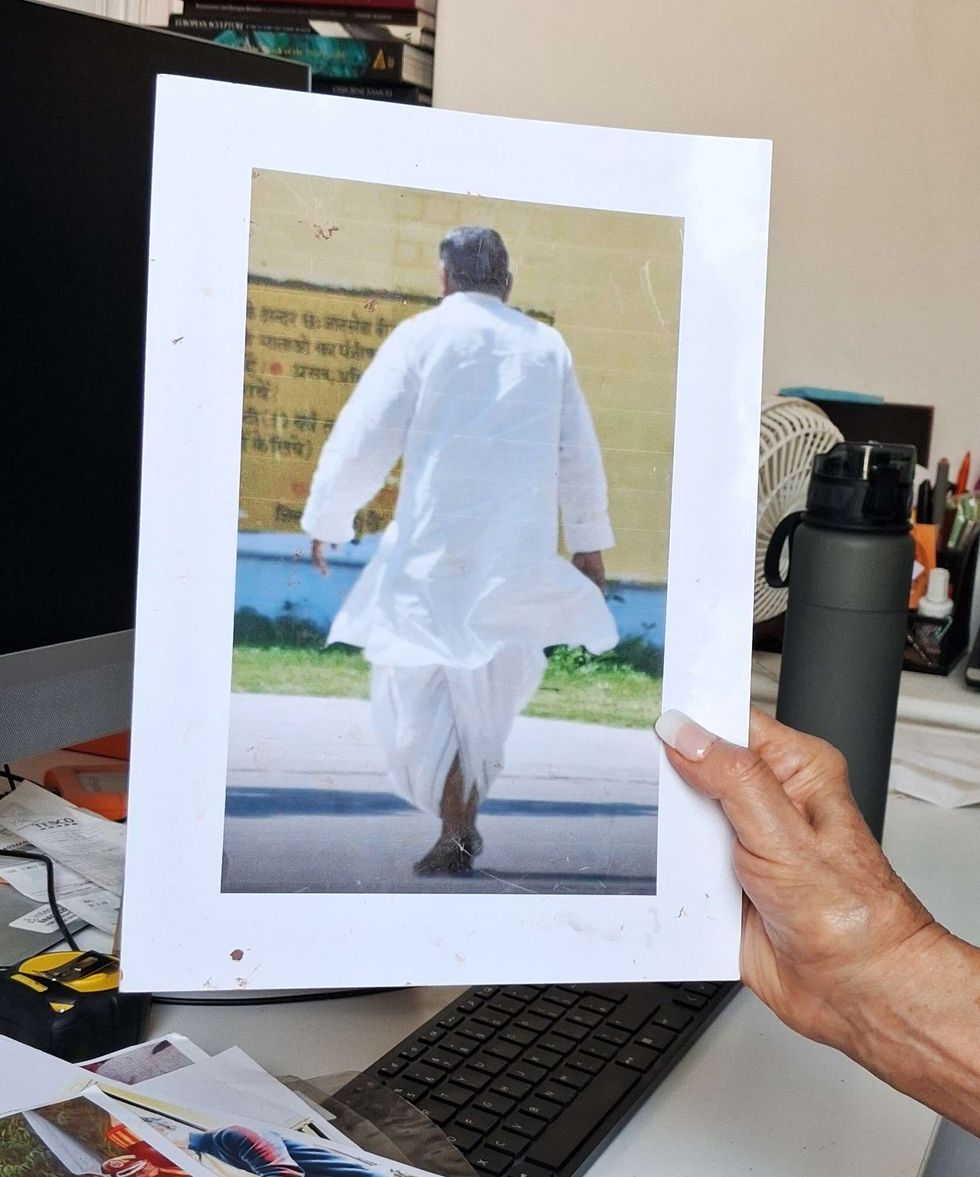 Photograph of Mulayam Singh Yadav from the back Eastern Eye
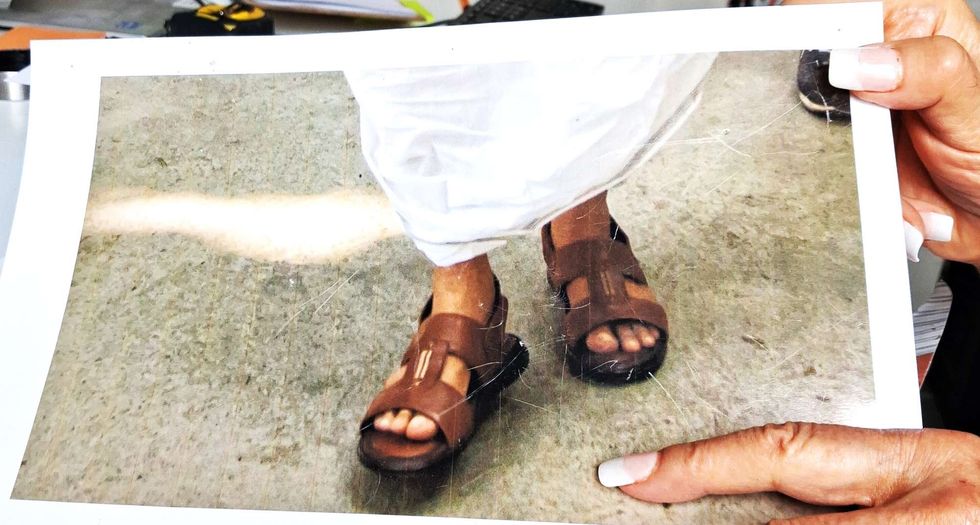 Photograph of Mulayam Singh Yadav wearing sandalsEastern Eye
Mulayam’s statue, made with the best bronze – this is apparently superior to the cooper (80-90 per cent) and tin (10 per cent) alloy commonly used in India – has been coming to “life” in the East End of London at Limehouse Gallery & Bronze Age, Fine Art Studios, Island Row, in Wapping.
With titanium added to the finishing paste, Mulayam’s kurta and dhoti will look “off white” and slightly ruffled as though they had been caught by the wind as he was walking.
Tucked away discreetly, as Eastern Eye discovered, the foundry is deceptively large, capable of making the 20ft statue.
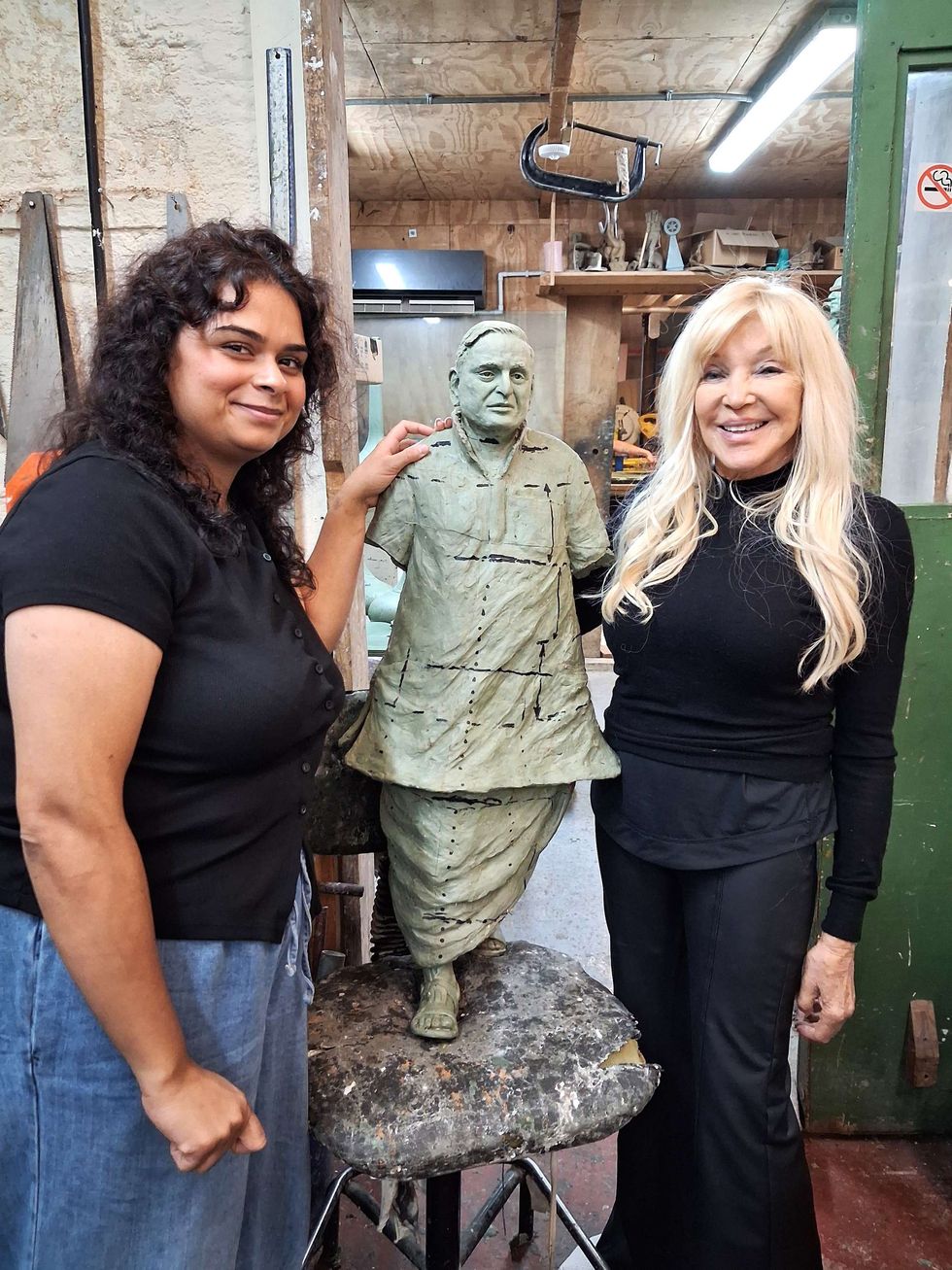 (From left) Nushra Bhoyroo and Frances Segelman with maquette of Mulayam Singh Yadav Eastern Eye
Talking to Eastern Eye at the foundry, Segelman dealt with the question of why Akhilesh had sought her out when India is perfectly capable of producing statues. In British terms, 20 ft is big but it pales in comparison with the tallest statue in India – and the world.
It is that of Sardar Vallabhbhai Patel, which stands at 82 meters (597 feet) in Narmada River valley, near the town of Kevadia (also called Ekta Nagar) in Gujarat. He was India’s home minister, “the Iron Man of India” who brought the princely states into the federal union after Indian became independent in 1947.
“They found me on the Internet,” said Segelman. “A whole team came to my studio. They said they had seen my work and would like to have some information whether I could do this piece. What caught their attention was that I had sculpted the royal family.”
During sittings, she was up close and personal even with the late Queen, who was apparently delighted with the result.
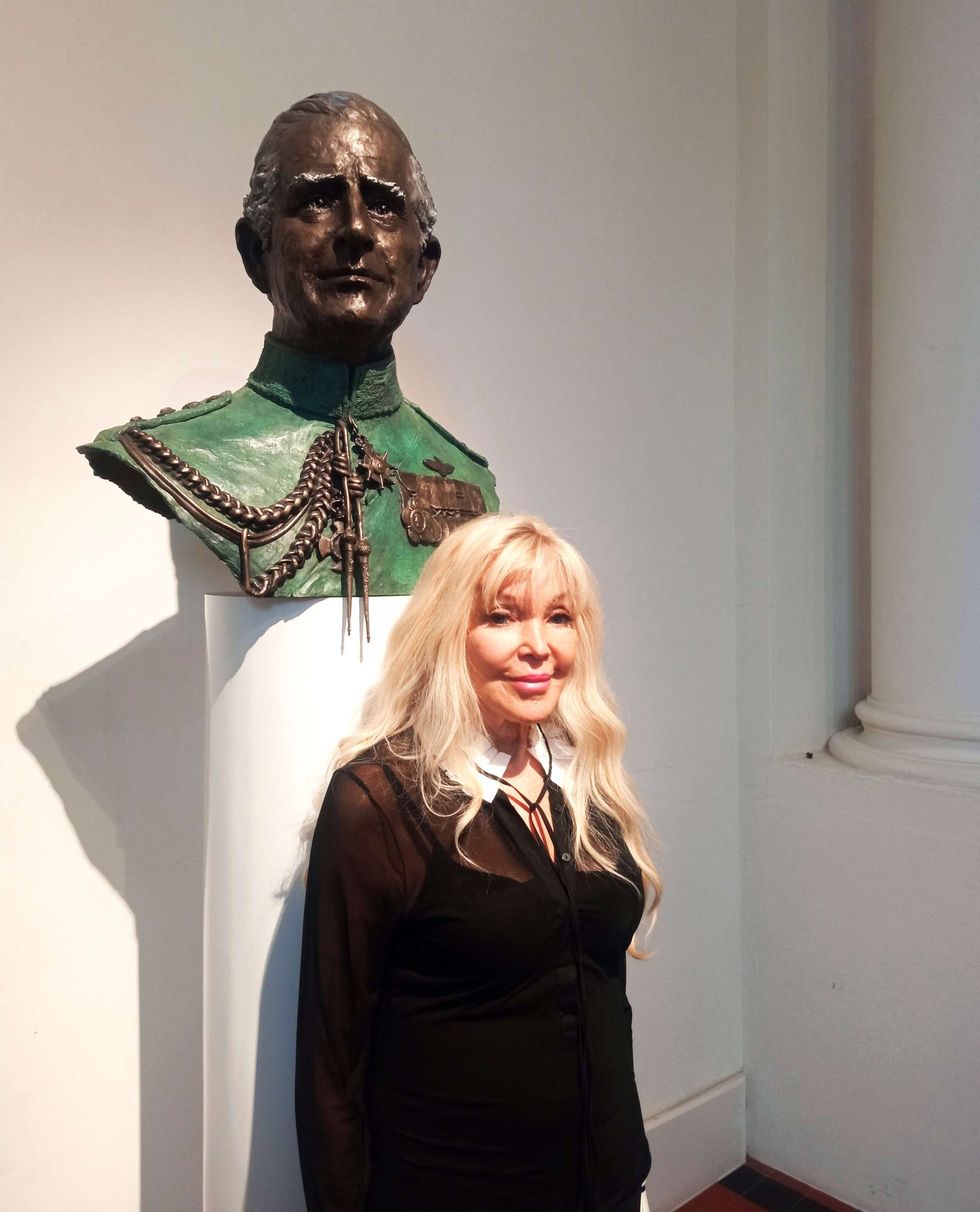 Frances Segelman did King Charles when he was the Princes of Wales Eastern Eye
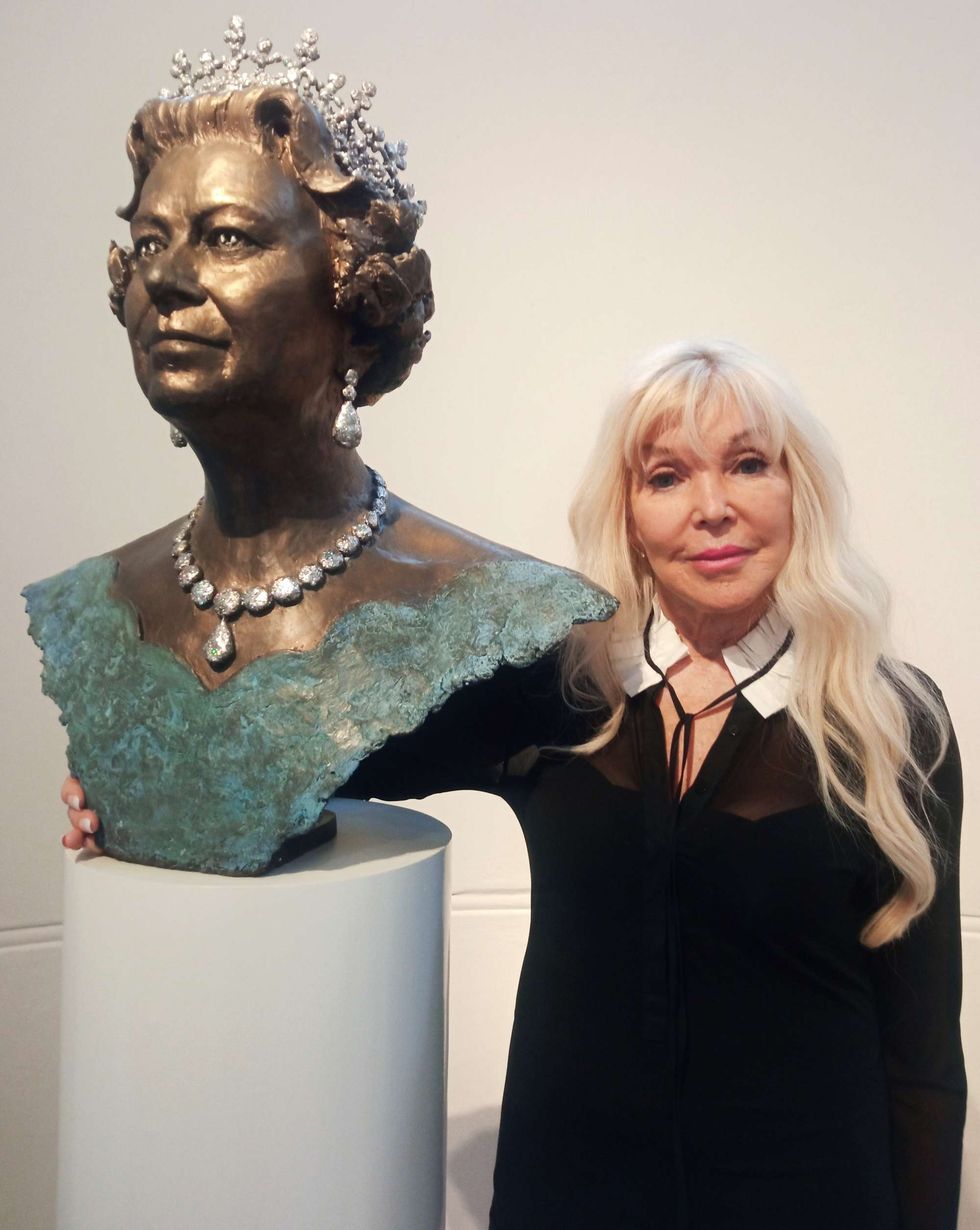 Frances Segelman has previously sculpted the late Queen Eastern Eye
Segelman did tell her clients, “You know you could do it much more cheaply in India but they didn’t want to do that. There wanted to have it done here (in the UK). One of the reasons is that the bronze used in the Indian foundries is not as good. In fact, a lot of Indian pieces are done here now.”
Segelman suggested one reason why she had been picked: “One of the important things, to be honest, is the way I do faces. They loved the way I get a really good look for a person and their character.”
Segelman has a particular reputation for getting the face right. The list of celebrities she has done is very long – it includes everyone from Boris Johnson to actresses Joanna Lumley, Joan Collins and Judi Dench.
Last year she entertained 300 people at St Paul’s Cathedral by doing a bust of Sir Christopher Wren (1632-1723) from his death mask.
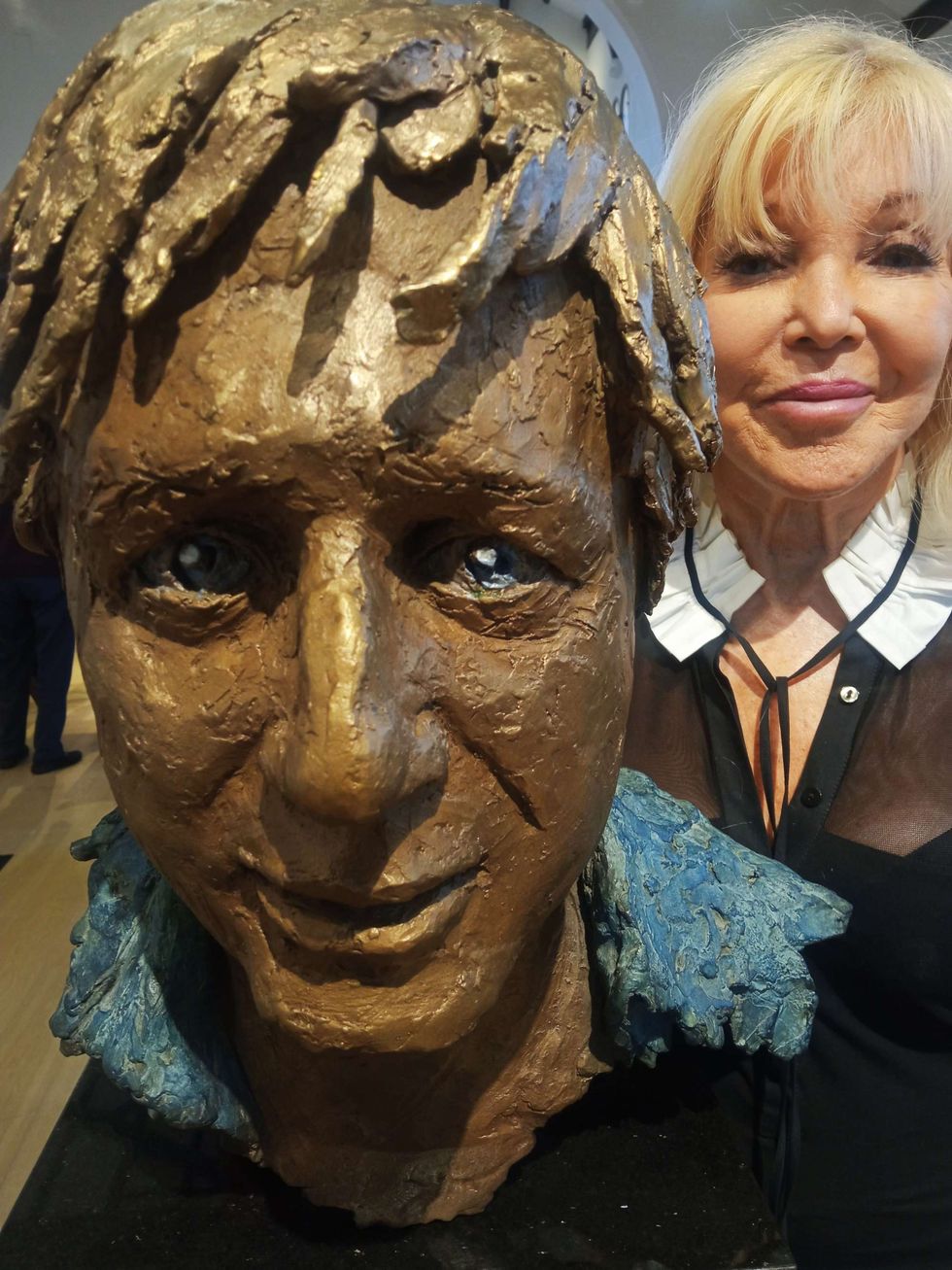 Frances Segelman has previously done the bust of Boris JohnsonEastern Eye
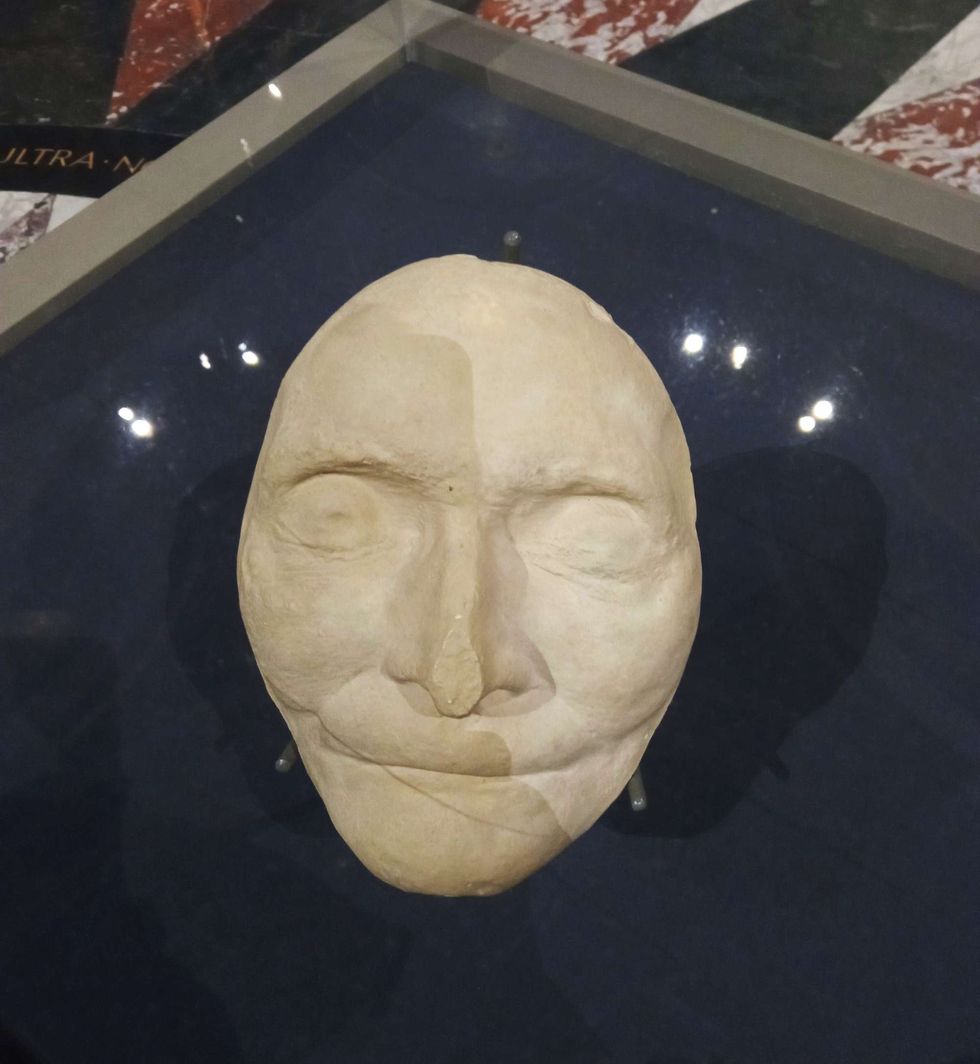 Frances Segelman worked from the death mask of Sir Christopher Wren Eastern Eye
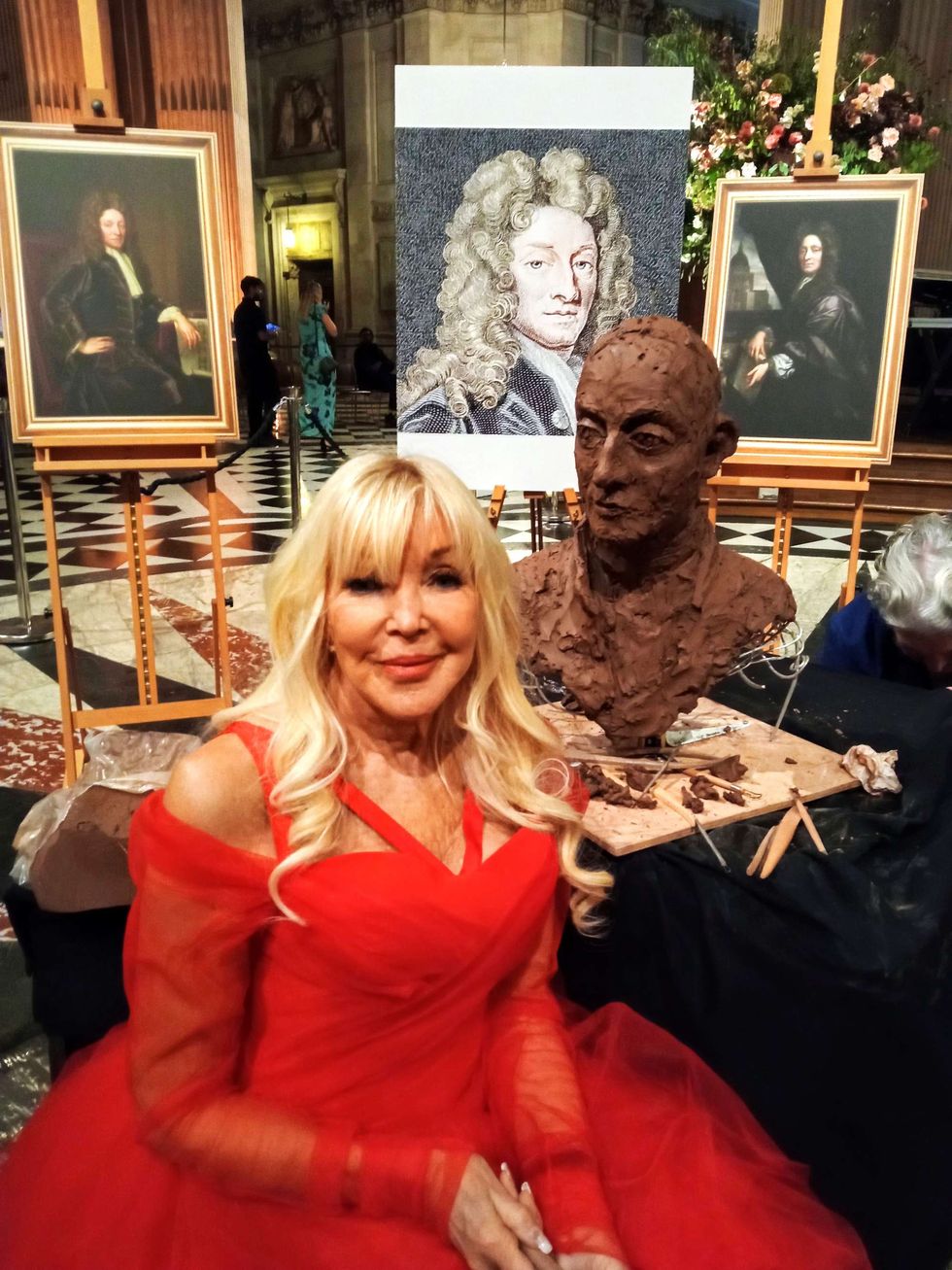 Frances Segelman sculpted bust of Si Christopher Wren from his death mask at St Paul's Cathedral Eastern Eye
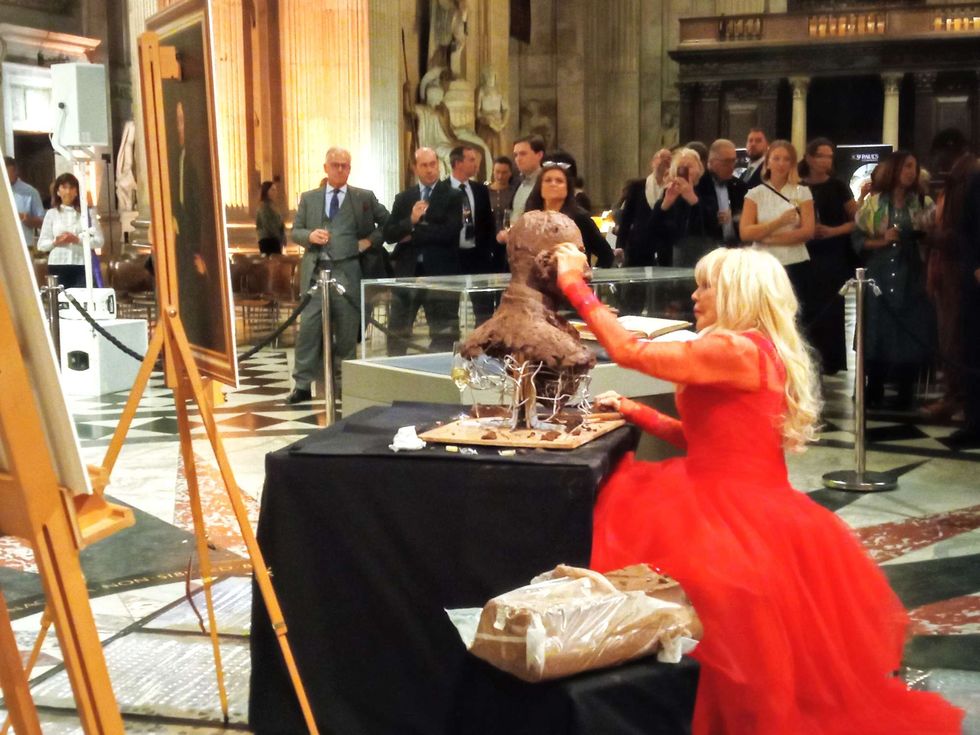 Frances Segelman working on the bust of Christopher Wren in St Paul's Cathedral Eastern Eye
To do the maquette in clay, Segelman filled her studio with as many images of Mulayam as she could source from the Internet. She was also given numerous photographs by his family.
“It took a long time to get the head right,” she said.
On the actual statue, the head will be 80 cm across.
“They were studying his face and making sure that they liked the look,” Segelman remembered. “I had to go over that a few times because (at first) it wasn’t a match.”
The fact that Akhilesh was in the studio meant she could use family resemblance to finesse Mulayam’s expression.
Segelman showed Eastern Eye a photograph just of the clay head she had done. Plus there was an artist’s impression of the Memorial Park with a silhouette of Mulayam’s statue.
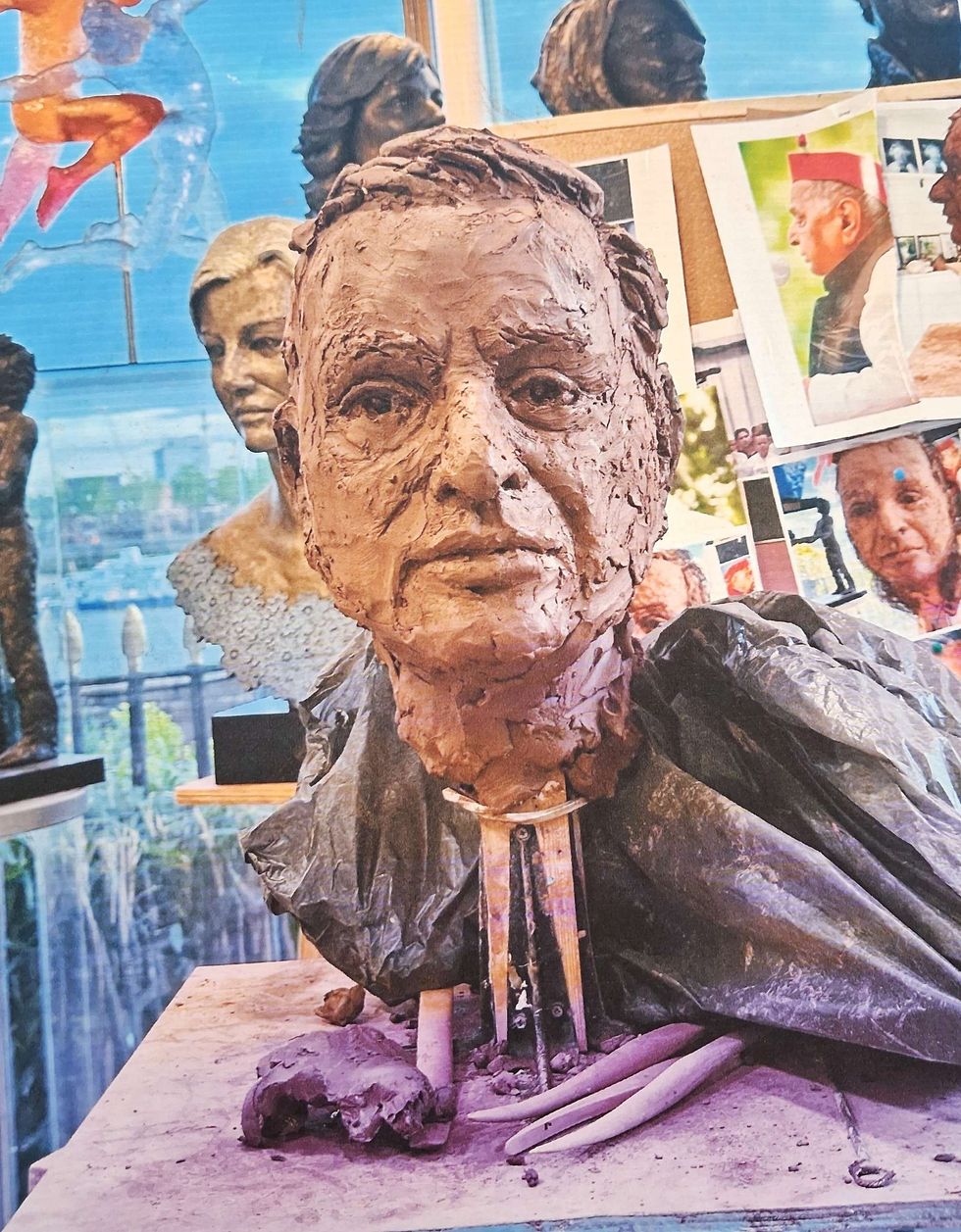 Clay head in Frances Segelman's studio Eastern Eye
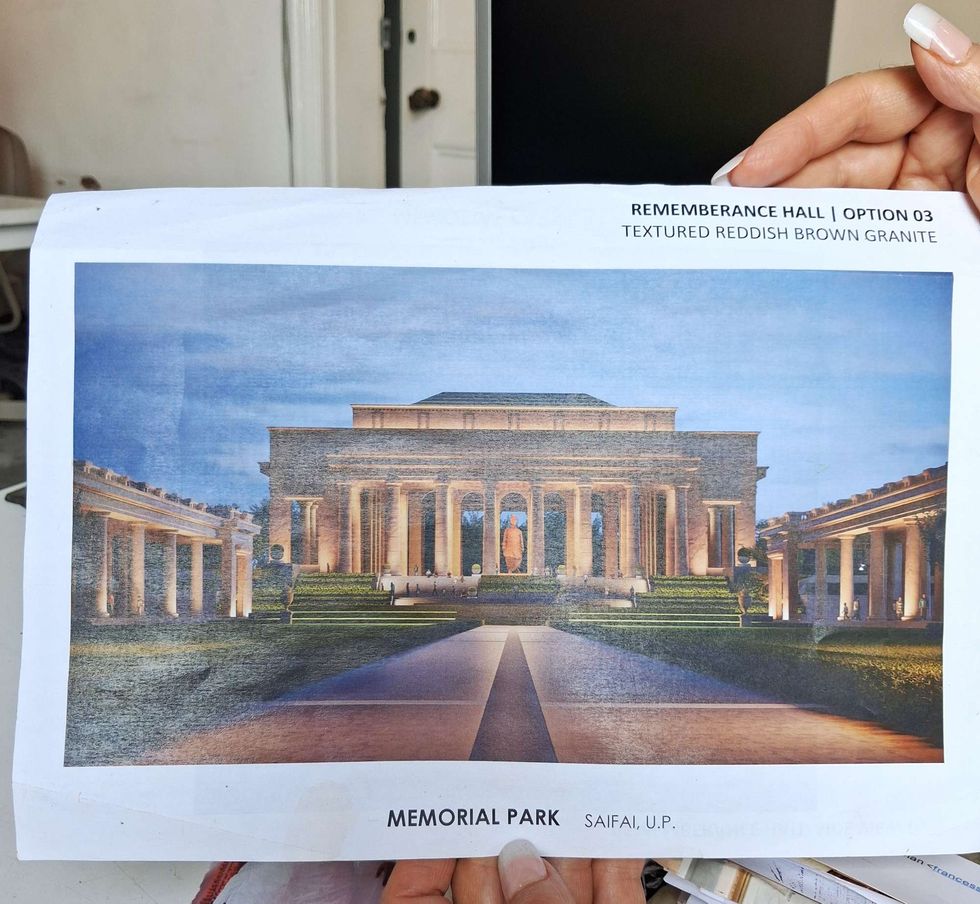 Artist's impression of Mulayum Singh Yadav Memorial Park in Saifai in UP Eastern Eye
Nearly all her previous subjects have been white but the fact Mulayam had a brown complexion did not make a difference. She had done the TV chef, Ainsley Harriott, who has Jamaican heritage, pointed out.
What was different this time was the size: “This is very huge. I have done 9ft high but I’ve never done 20ft.”
Once she has got the maquette as perfect as she could, it was scanned twice in her studio, the second time to pick up the minutest detail.
She also worked on the wax model. “I can brush on gold dust, and that will look like metal, and I’ll be able to see what it’s going to look like.”
“Even when it’s in bronze, I can make adjustments with drills,” she said. “I have done this loads and loads of times before but obviously this is going to be really big.”
What made Eastern Eye’s visit to the foundry especially memorable was being given a tour of the premises by its office manager, Nushra Bhoyroo, who has expert knowledge of the technical processes involved in transforming a 3ft maquette into a “6.132 metres” statue.
There were a couple of greenish-coloured maquettes in the foundry marked with lines and measurements. Even there, Mulayam’s likeness looked pretty realistic.
Resting on a table was a giant foot in a sandal. It was as though the visitor had wandered into a land of giants in Jonathan Swift’s Gulliver’s Travels. An employee showed how it would fit to a leg.
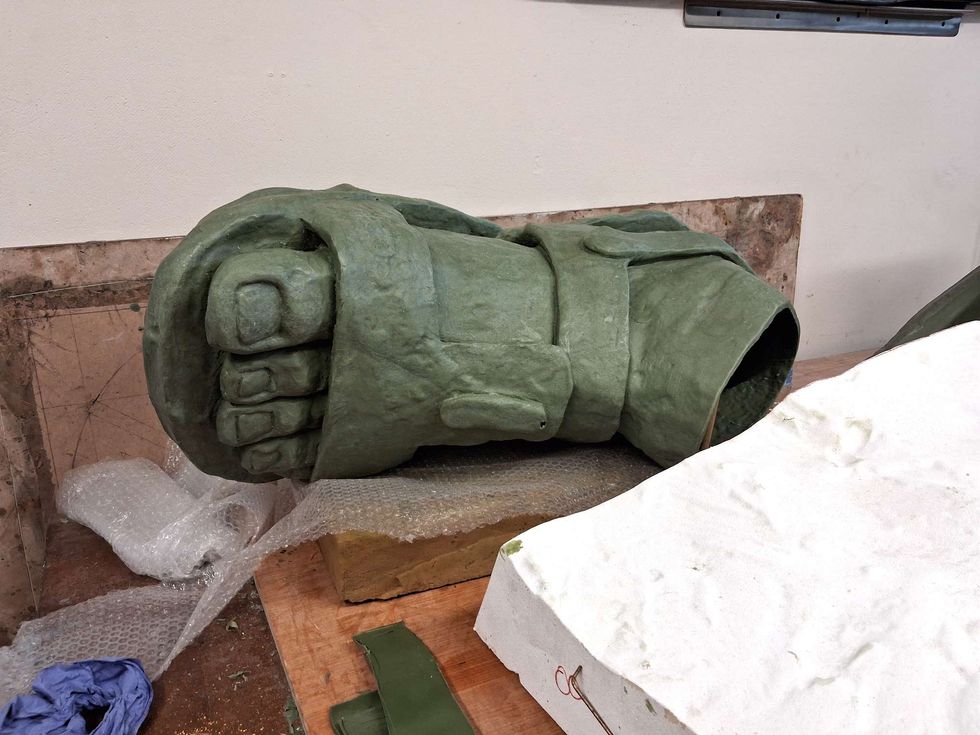 Mulayum Singh Yadav statue pic two. Foot in sandals Eastern Eye
There was a mould with a criss-cross of internal pipes to guide the hot metal. The grid is left in to strengthen the structure.
The sculptor’s skill lies initially in making the clay maquette. The process of 3 D printing has greatly reduced the time required to “scale up” the maquette – or down if the idea is to put a bust on a table or on a mantelpiece in the living room. Tucked away in a corner of the foundry was a small bust of King Charles, reduced in size from the original Segelman had done when he was the Prince of Wales.
The process of making a statue goes from a foam mould to wax to hot metal to a bronze that requires finishing.
Once the maquette has been scanned, a foam mould is produced.
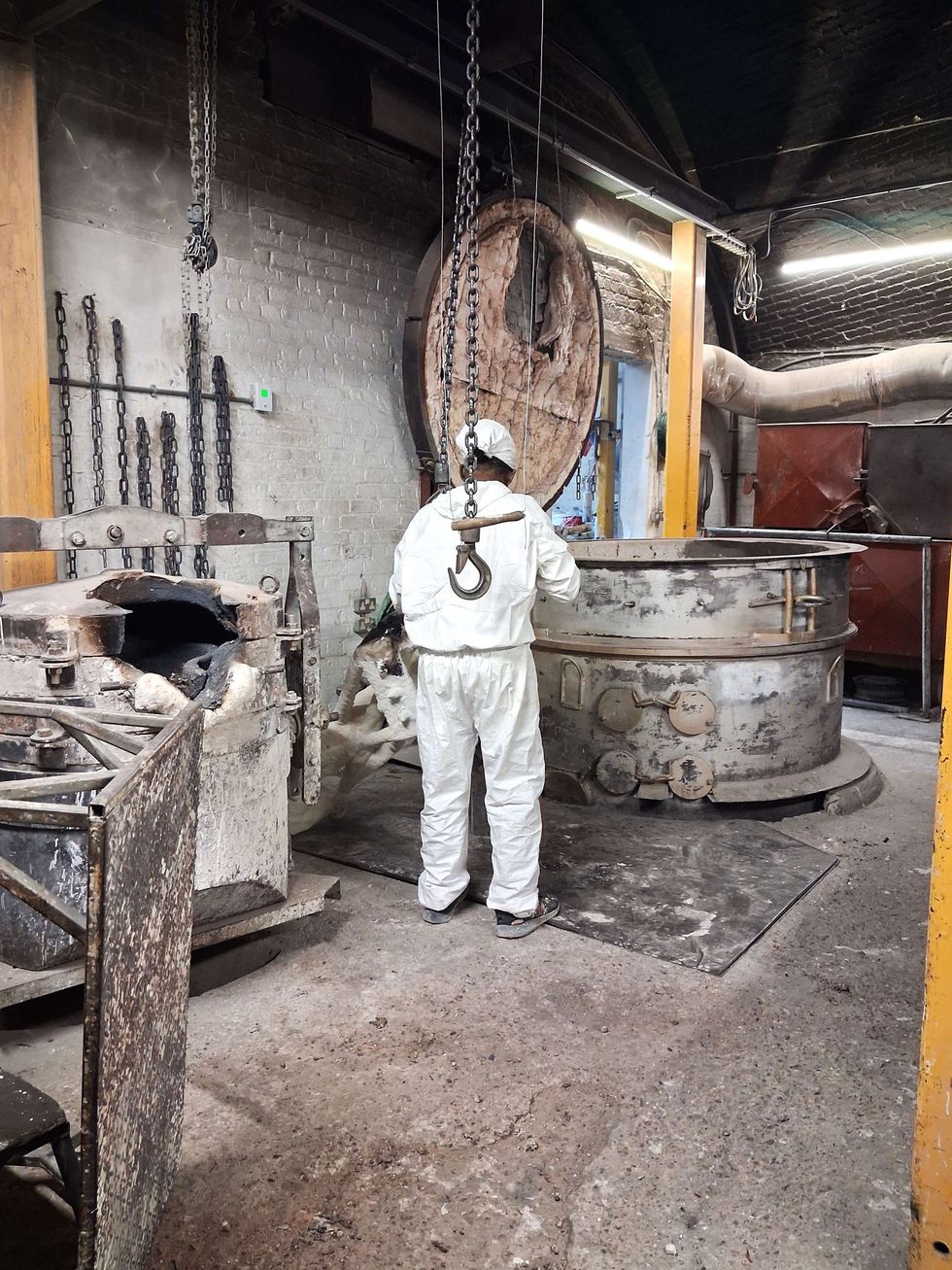 Foundry Eastern Eye
Bhoyroo said: “It’s not done here. That’s done externally. They have these big blocks of foam, and they mill the shape using the (computer) file (with all the necessary coordinates) we have given them.”
A CNC (Computer Numerical Control) cuts work subtractively by carving away material from a larger solid block (such as foam, wood, metal, or plastic). The mould is painted “in a plaster like paint to get rid of the dustiness and the little holes there are and give it a nice finish”.
“Once we have done a mould, we can pour in wax and then we cast it in bronze,” said Bhoyroo. “Everything here will have to be cast individually in parts because we can’t pour anything that is larger than 1.8 metres by 2 metres. We can’t go any bigger than that.”
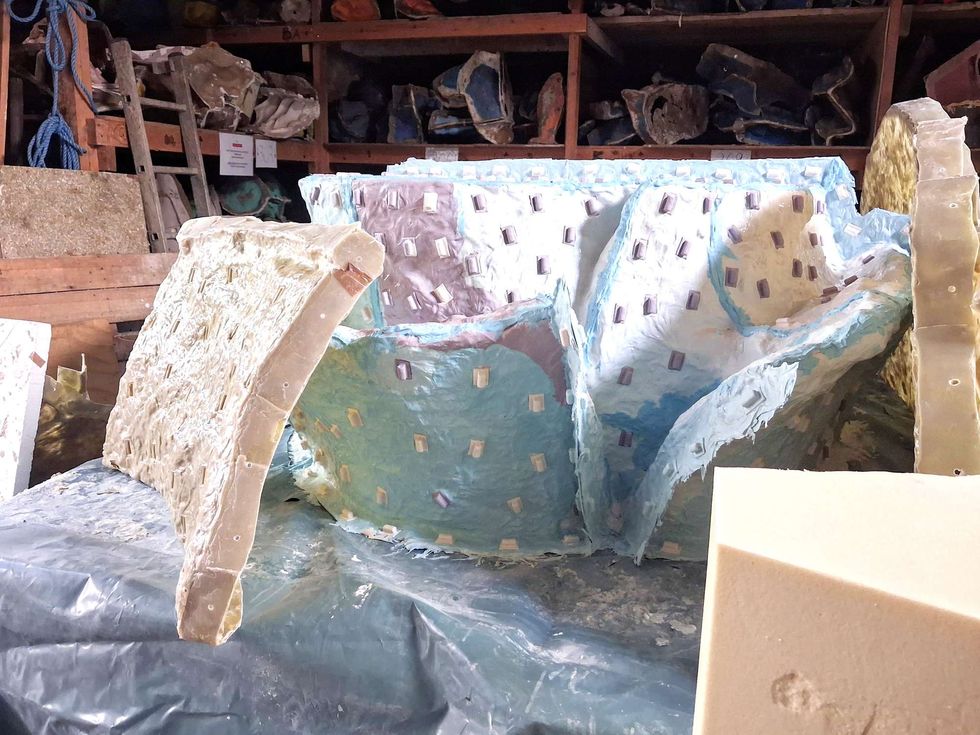 Moulds for the statue Eastern Eye
The foundry, which was established 38 years ago, is one of the few in the UK “to pour even that big. Everyone else goes a lot smaller. We are able to pour big things in fewer pots which saves us time, saves artists money, and just makes the process better because you are not having to cut and chop up things.”
Even so, Mulayam’s statue has been cast in 40 pieces, said Bhoyroo.
She ran though the list: “We have 2 feet, 1 trouser (dhoti) leg, the other trouser leg. That makes 4. Then the bottom of the kurta which comes in 6 pieces. That’s 10. Then the stomach which is in 6 pieces, six pieces, six pieces. That’s 18 + 10, 28 pieces. We are then up to the shoulders, which is in 4 pieces. That is 32. The arms are each in 2 pieces. That is 36. The hands will be 2 pieces. That is 38. The head will be 1 piece. That is 39. There will probably be a patch on top of the head – 40 pieces.
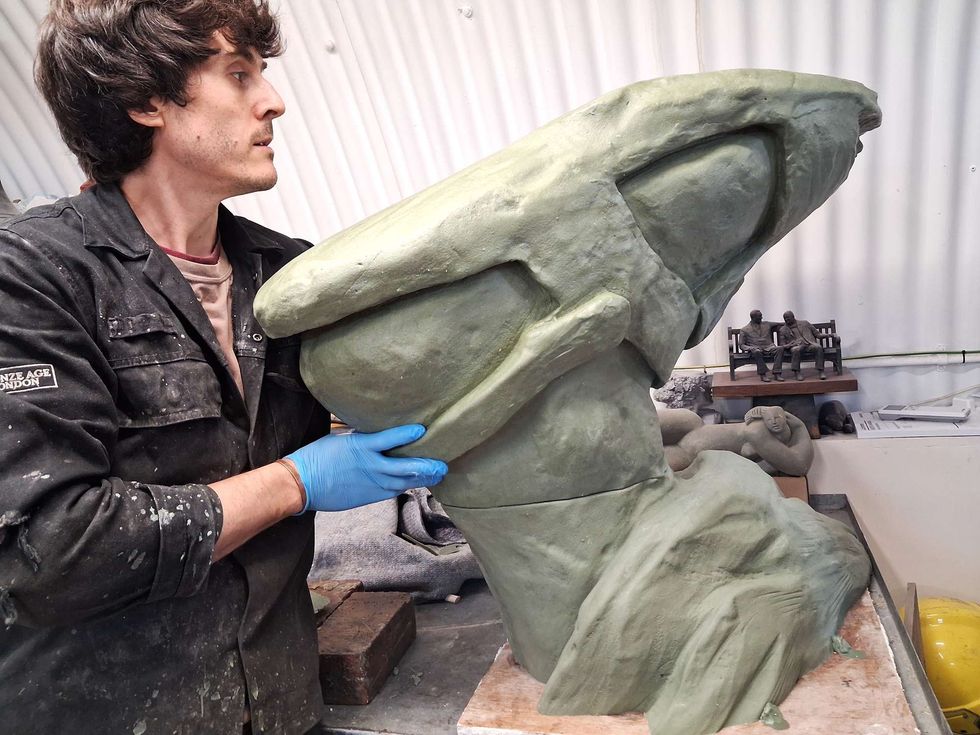 Foot being fitted to leg Eastern Eye
“What we are going to do is bolt all these together, and then on the outside we weld, and that is how it is all connected.”
The welding is not discernible. “We call it metal chasing when we make the textures match You can’t see anything. You can’t tell it is in 40 pieces. We could say it’s one piece because you can’t tell. And then we have different finishes. Some sculptures will need a smooth finish. Some are a lot more textured, so we will use tools to hammer in any extra texture that is needed.
“When we finish the piece, we sandblast it and it gives you this very dusty kind of powdery-looking finish. That is great because when we patinate, it holds it very well. If we rub on the patina, you get a shine that comes through. It depends on what is underneath. If you want something that’s very shiny, you have to polish it before you do that patination.
“We have chemicals and pigments that we use. We can get it off-white by adding titanium, it gives it depth.
“Mulayam’s kurta is going to be off-white so having that sandblasted means the white sticks to it very well.”
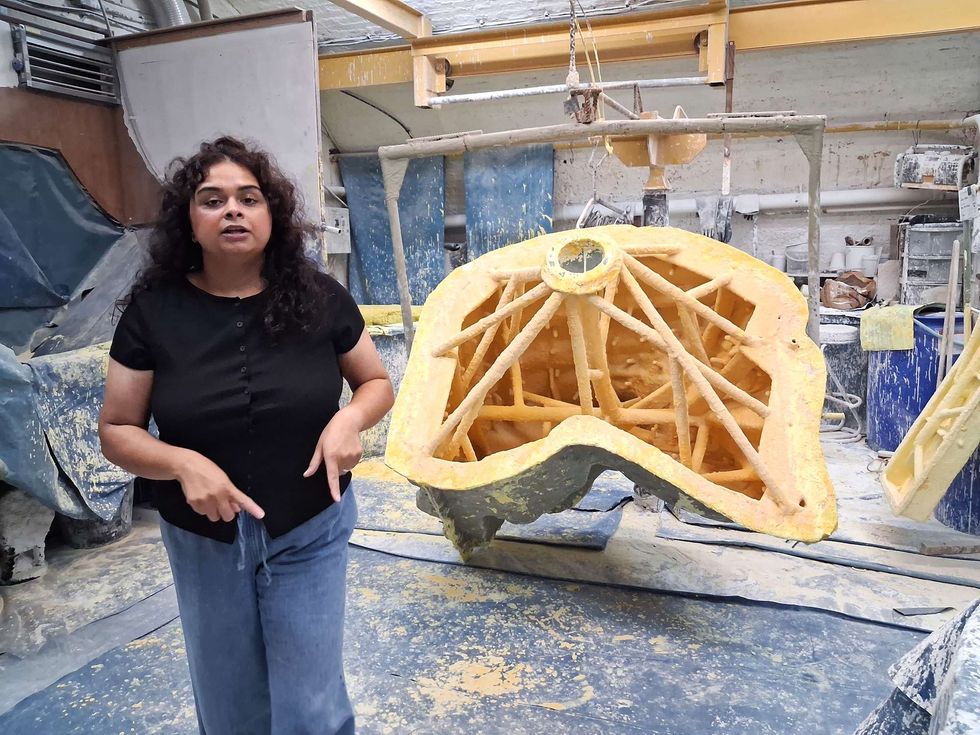 Nushra Bhoyroo showing how hot metal in poured into tubes Eastern Eye
She went on: “On the inside of the structure we have steel beams to keep everything intact. Nothing falls in on itself. We lay him flat. It gets transported to a warehouse. There it gets crated and flown to India.”
Bhoyroo said Mulayam’s silicon bronze should retain its “goldy pinky colour” “because it will be inside a building, so it should stay like that. They might have to top it up every five years and do standard maintenance, a little touch up on patina, but nothing crazy.”
Segelman will be at the unveiling of her statue. She revealed to Eastern Eye she intends to “go shopping for a sari”.




 The September 11 Memorial and Museum stands on the site of the former World Trade Centre in New York, where the twin towers were destroyed in the 2001 attacks Spencer Platt/Getty Images