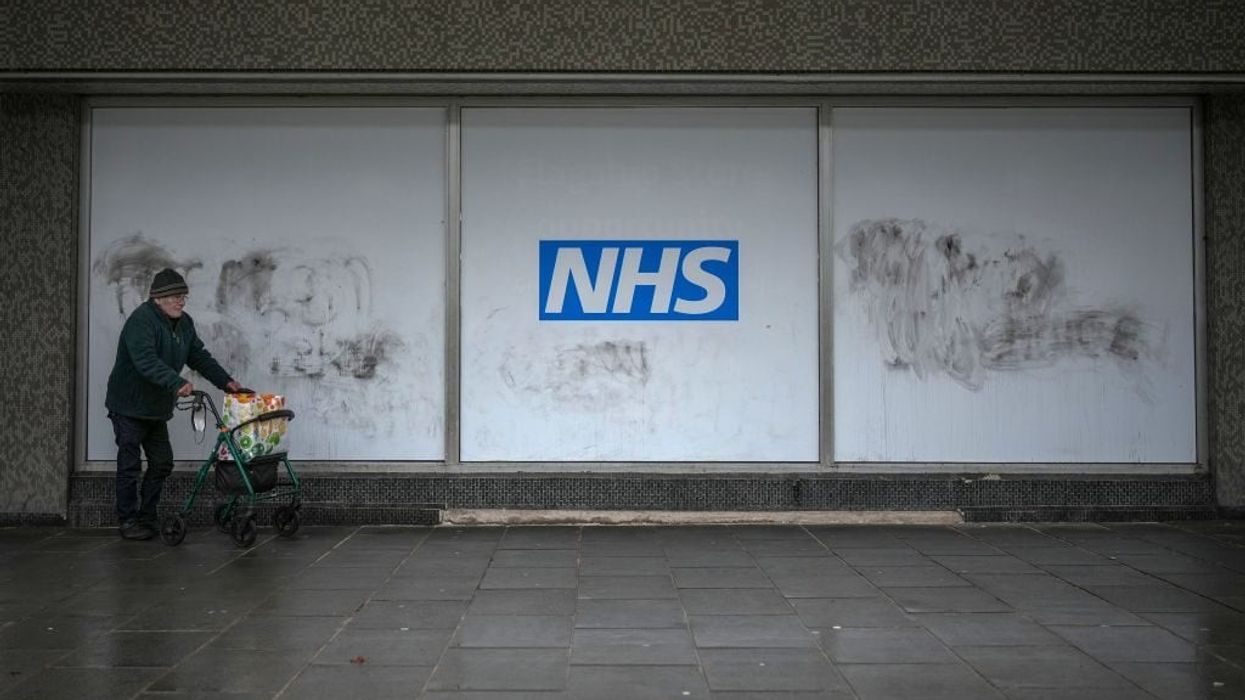

THE number of people on the waiting list for diagnostic tests has dropped and two-thirds fewer people are waiting for more than two years for elective care, new figures have shown, as the National Health Service (NHS) continues to make progress in the biggest catch-up in health service history.
The milestone comes despite the busiest May ever for emergency care, with health bosses calling on the public to use NHS 111 by phone or online for non-urgent health concerns, to ensure patients access the best care for their needs and help ease pressures on the service.
New survey data shows almost one in five (19.1 per cent) people who received care through 111 said they would have otherwise called 999, while more than a quarter (26.2 per cent) say they would have gone to an A&E (accident and emergency).
Almost one in 10 (7.1 per cent) said they would not have contacted anyone else about their health problem if NHS 111 had not been available.
Separately, the monthly performance figures published on Thursday (16) reveal that May saw the second-highest number of A&E attendances at 2.2 million – second only to July 2019 when 2.3 million people went to A&E.
It was also the busiest May ever for 999 calls answered (853,065) and the most urgent ambulance call outs (77,934 Category 1 calls).
The pressure came as the NHS staff once again had to contend with challenges of discharging patients into community and social care. On each day last month, fewer than half the patients ready for discharge left hospital when they were ready to, leading to many thousands of patients spending more time in hospital than needed.
Since the NHS’ Covid elective recovery plan was published in February, the number of people waiting more than two years for treatment has dropped by two-thirds, with 40 trusts already eliminating the number of people waiting more than 104 weeks. The number of people waiting for those many weeks has dropped from 22,299 to 7,533, as of the week ending June 5 -- a 66.2% reduction (down 14,766). The number of people waiting for a diagnostic test went down in April – showing the NHS is making inroads into the backlog.
Professor Sir Stephen Powis, national medical director for NHS England, said, “The new figures show our hard-working NHS staff are making significant progress in ensuring people waiting the longest time for care are getting treated.
“There is no doubt the NHS still faces pressures – including a renewed increase in Covid patients -- and the latest figures show just how important community and social care are in helping people in hospital leave when they are fit to do so, not just because it is better for patients but because it helps free up precious NHS bed space.”
“It is also a good reminder of how important it is to come forward for care and advice by choosing the right service for your needs – a patient survey showed one in five people would have called an ambulance if NHS 111 had not been available, while a quarter would have sought help from an emergency department instead. By calling NHS 111 or using the online service for non-urgent health concerns, you can help us help you access the best care for your needs, quickly.”
Speaking at NHS Confed Expo on Wednesday (15), Amanda Pritchard, chief executive of NHS England, said that the pressures on emergency departments and ambulance services is as challenging as any winter before the pandemic.
Across the six standards used to measure ambulance response times, there was an improvement in all categories compared to the previous month.
There were 507,000 emergency admissions in May, and emergency admissions overall are up 6.3 per cent on the preceding 12-month period.
In April, 1.9 million calls were made to NHS 111, an average of 62.3 thousand per day.






 Vijay with friend and racer Ajith KumarPhoto: X