
THERE are "overwhelming" minority ethnic health inequalities in the NHS, experts have said adding radical action is required to tackle the problem.
The study for the first time has revealed the true scale as well as "vast and "widespread" inequality in every aspect of healthcare it reviewed.
According to the review, commissioned by the NHS Race and Health Observatory - racial discrimination, barriers to access healthcare and woeful data collection have "negatively impacted" the health of the black, Asian and minority ethnic people living in England for years now.
“Ethnic inequalities in health outcomes are evident at every stage throughout the life course, from birth to death,” says the review, a 166-page report, which the Guardian has seen.
The report, however, adds that despite clear evidence of ethnic minorities are being failed, there have been no "significant change" been made in the NHS.
“By drawing together the evidence, and plugging the gaps where we find them, we have made a clear and overwhelming case for radical action on race inequity in our healthcare system,” said Habib Naqvi, the director of the NHS Race and Health Observatory.
As an independent body, NHS Race and Health Observatory was established by the NHS in 2020 to investigate health inequalities in England.
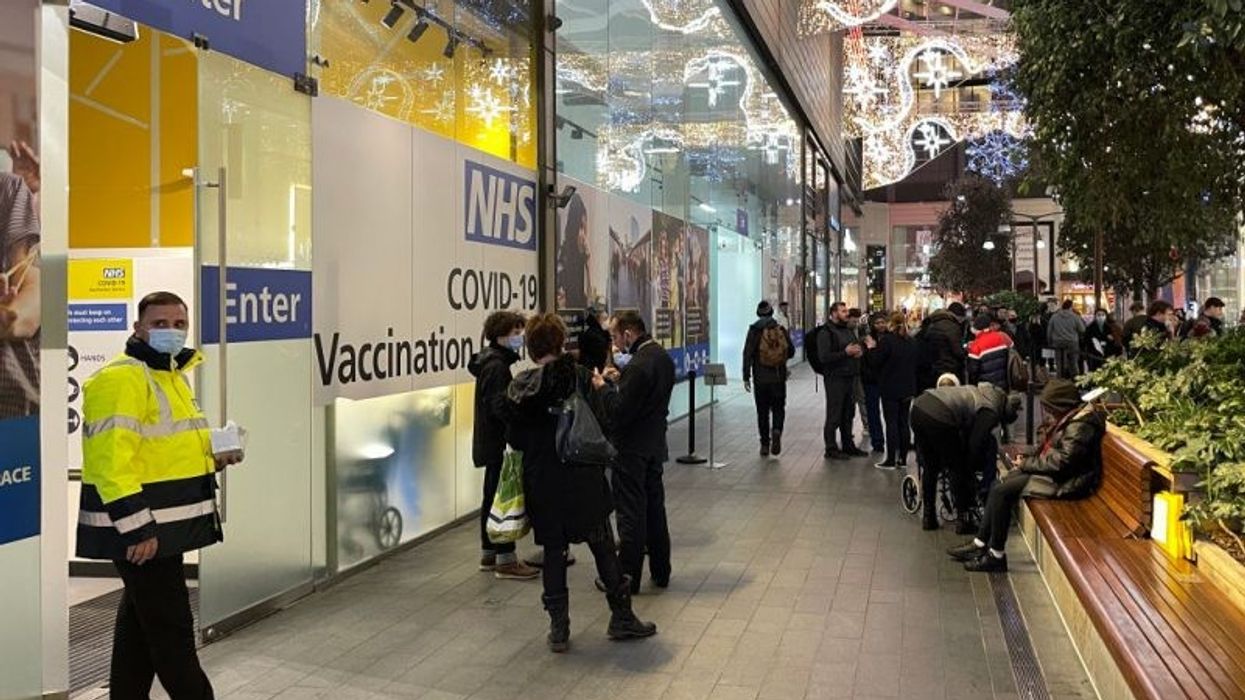
Moreover, the Covid-19 pandemic has taken a toll on ethnic minorities in availing proper healthcare in England.
“This report is the first of its kind to analyse the overwhelming evidence of ethnic health inequality through the lens of racism,” said Naqvi.
The review says access and experiences in healthcare in the NHS “are rooted in experiences of structural, institutional and interpersonal racism”.
Led by Dharmi Kapadia, an investigator at the Centre on the Dynamics of Ethnicity, the UK’s leading research centre into minority ethnic, racial and religious inequalities - did a year-long review and examined 13,000 papers and interviewed policy experts, NHS staff and patients, reported the Guardian.
“The evidence on the poor healthcare outcomes for many ethnic minority groups across a range of services is overwhelming, and convincing,” Kapadia, a sociology lecturer at the University of Manchester, was quoted as saying.