
Several celebrities all around the world are coming forward to fight against the Coronavirus outbreak and giving back to those in need. As India grapples with the growing pandemic, a number of celebrities from across the industries are contributing in every way possible in these challenging times.
Well-known stand-up comedian and actor Kapil Sharma on Thursday poured in his support for the battle against the Coronavirus and announced that he has contributed ₹ 50 lakhs to help those in need.
Taking to Twitter, Sharma revealed that he has donated towards Prime Minister Narendra Modi’s relief fund. “It is time to stand together with the ones who need us. Contributing ₹ 50 lakhs to the PM relief fund towards the fight against corona.” The comedian also requested everyone to stay at home and be safe.
Earlier in the day, South superstars Pawan Kalyan and Ram Charan also stepped in to help in these though times and made huge donations. While Kalyan donated ₹ 2 crore, Charan made his debut on micro-blogging site Twitter and announced ₹ 70 lakhs as his contribution in the midst of the Coronavirus outbreak.
Bollywood superstar Hrithik Roshan also marked his contribution by providing the Government of Maharashtra with ₹ 20 lakh, to procure preventive masks and other requirements for the BMC workers and the street-level bureaucrats.
Globally, more than 420,700 people have been infected by the Coronavirus and 18,820 have lost their lives, according to reports. Indian Prime Minister Narendra Modi announced a 21-day lockdown in the country as the pandemic spread across the country rapidly. India has nearly 700 cases with 16 deaths.
Keep visiting this space for more updates from the world of entertainment.


 Streaming blackout angers fans just days before new South Park seasonPrime Video
 Global outrage grows as South Park vanishes from Paramount PlusWikipedia
 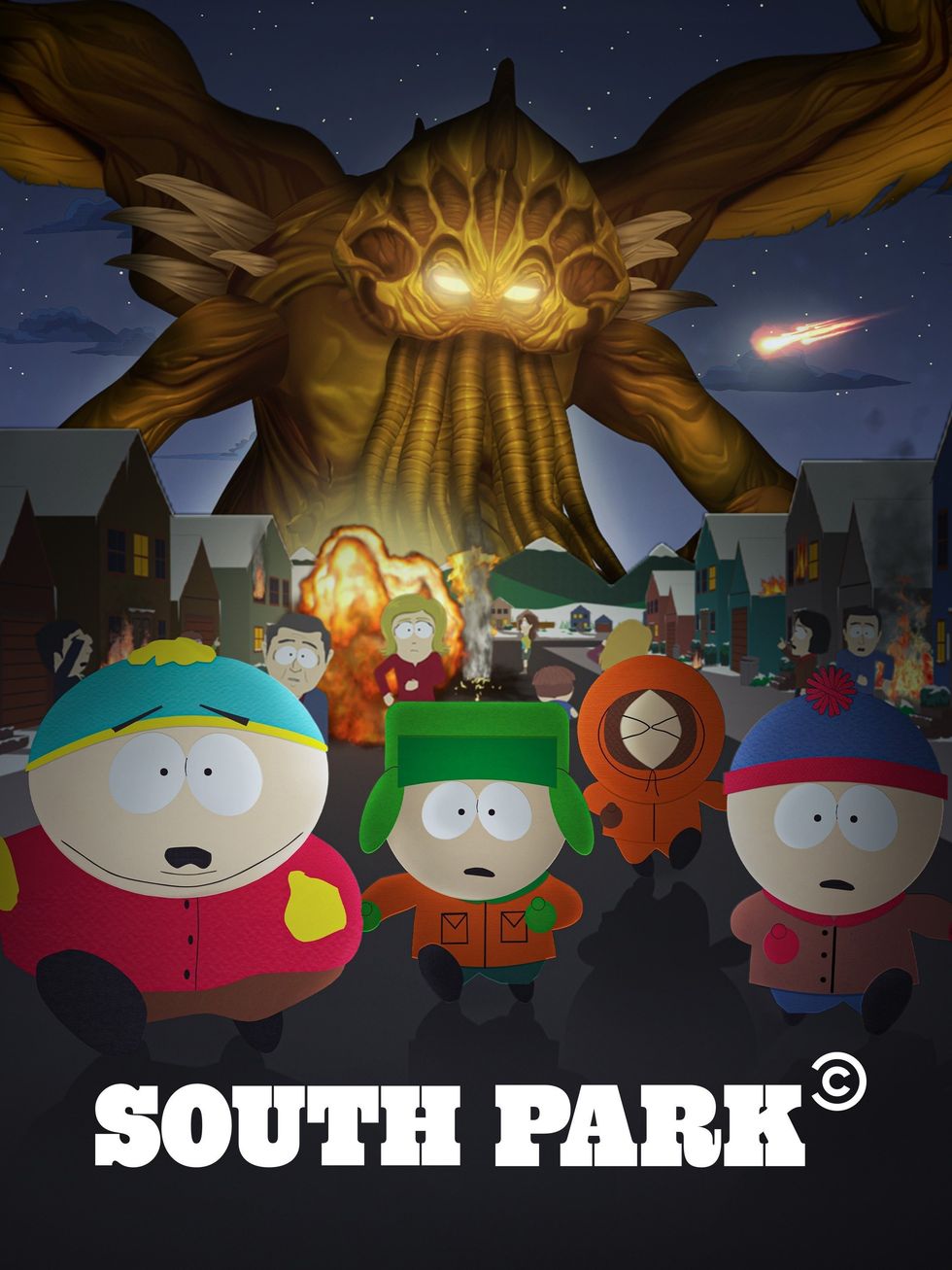 Fans slam Paramount and Skydance for blocking South Park accessRotten Tomatoes



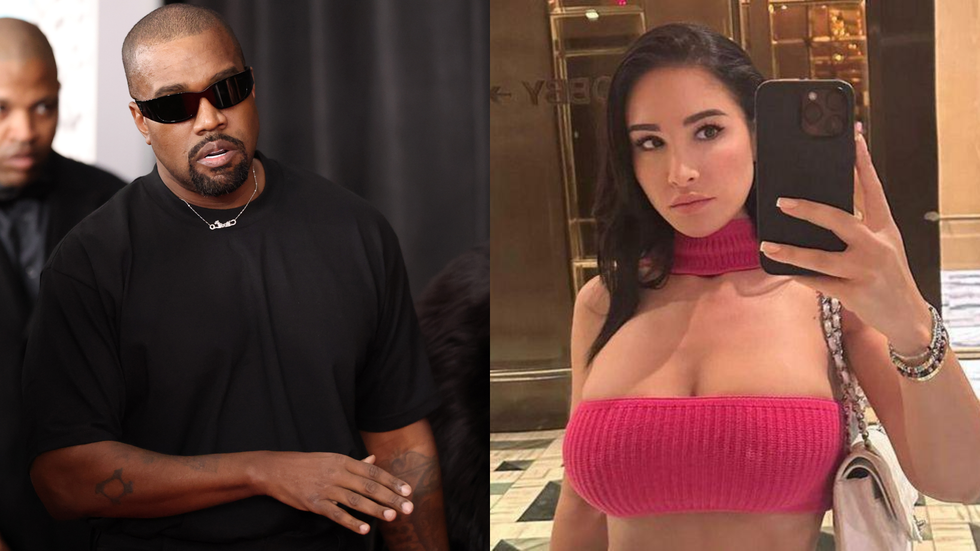 Kanye West’s spokesperson says the claims are inconsistent and defamatoryBBC/Getty Images
 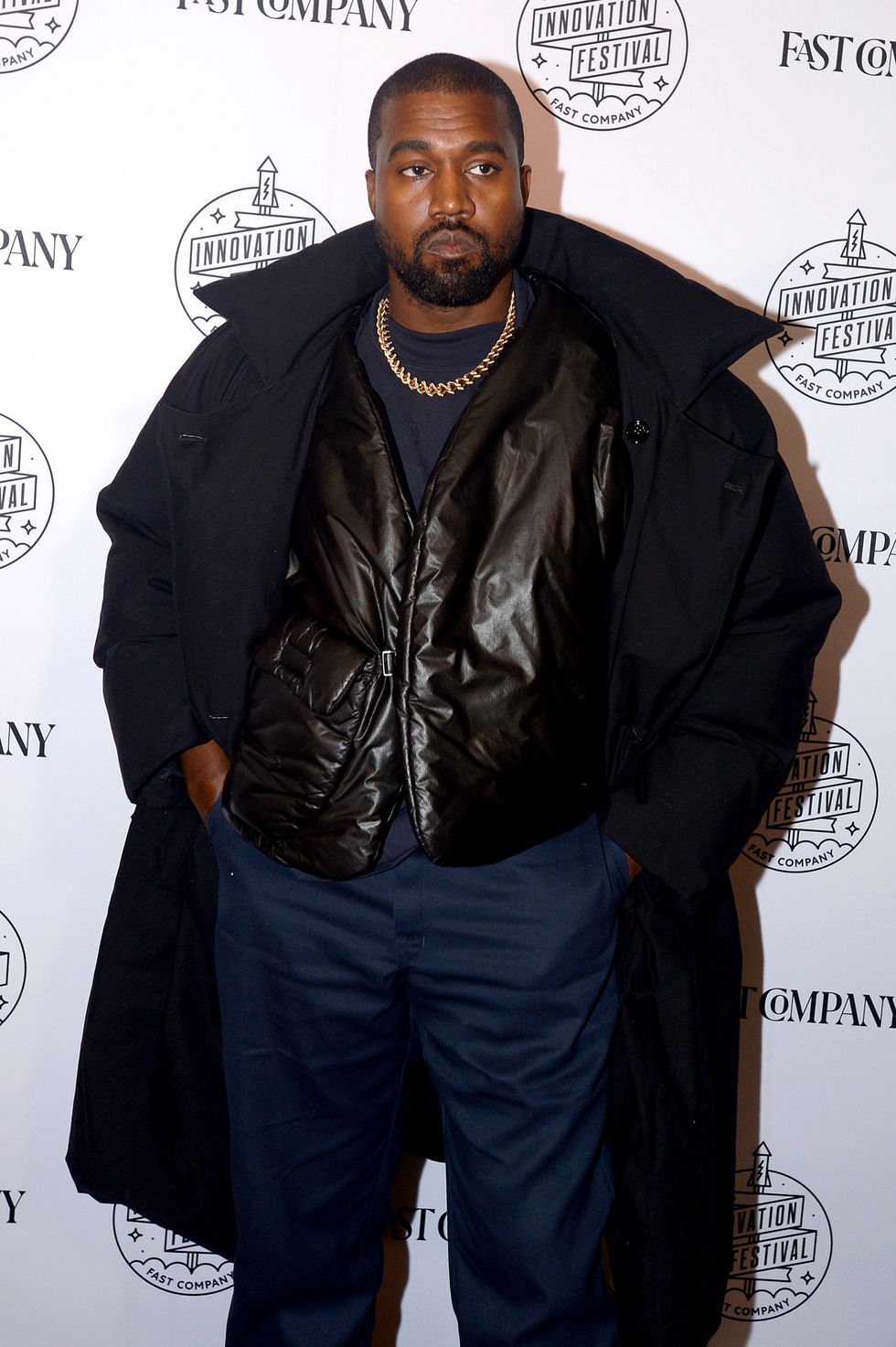 Photo of Kanye West from a past public appearance Getty Images
  Attorney Lisa Bloom says Kanye West has already admitted to key allegations
 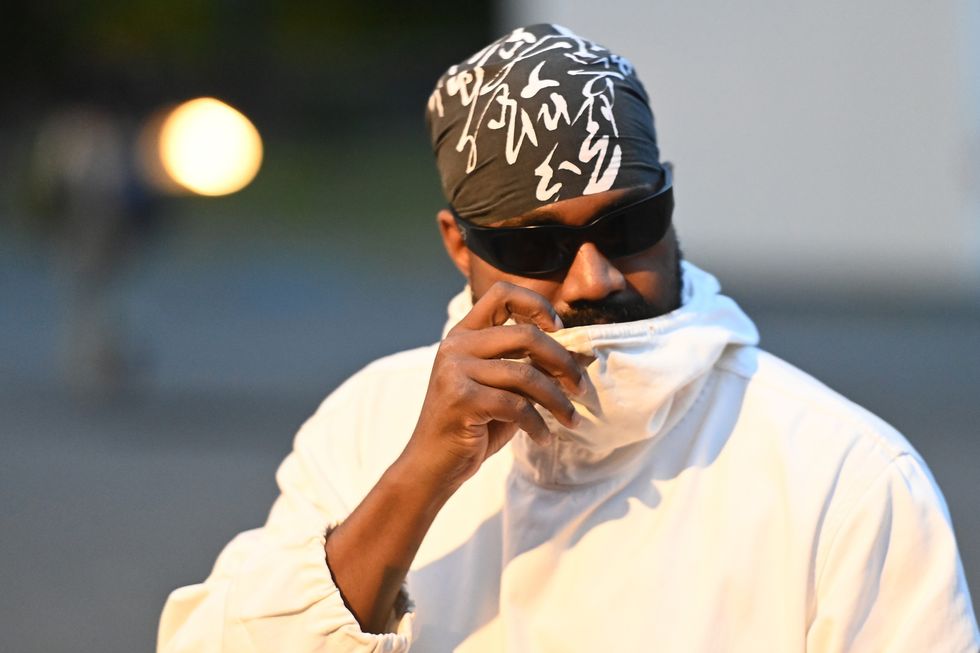 Kanye West’s spokesperson says the claims are inconsistent and defamatoryGetty Images
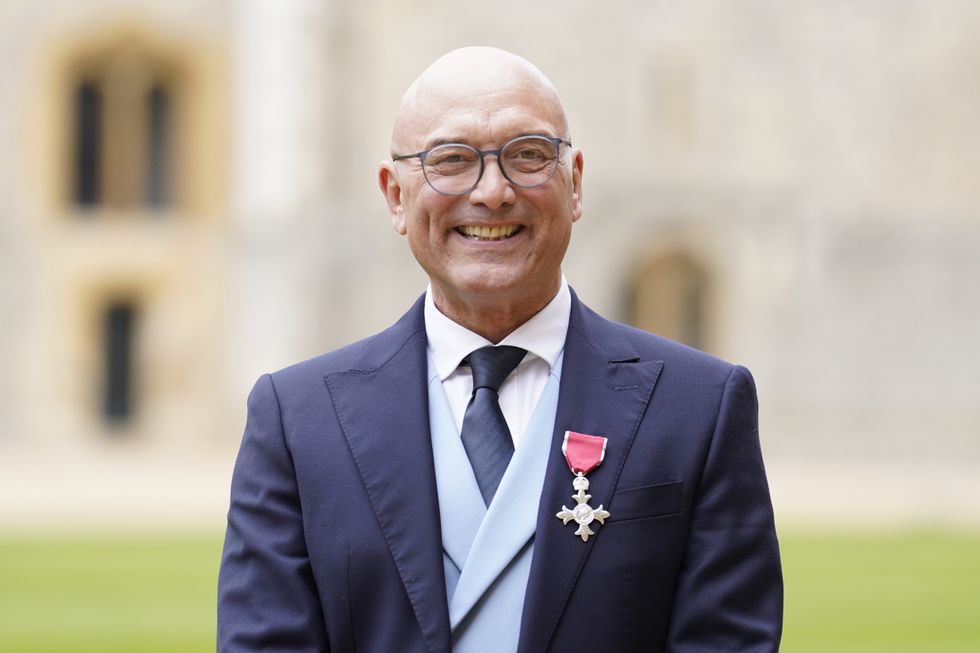 Gregg Wallace dropped from MasterChef after over 50 sexual misconduct claims surface Getty Images
 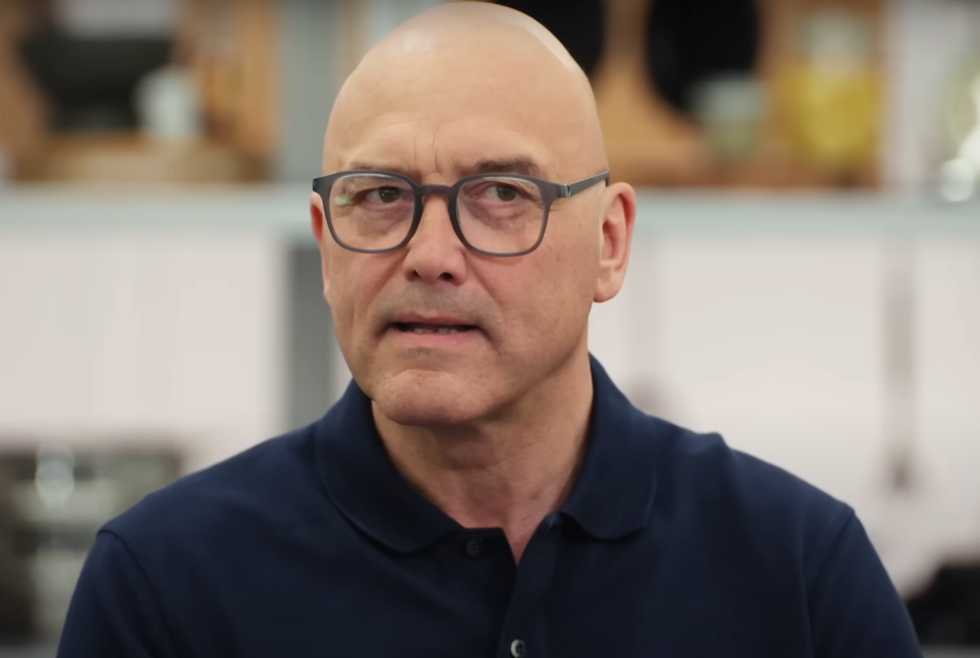 Gregg Wallace seen filming prior to being removed from the show Youtube Screengrab
 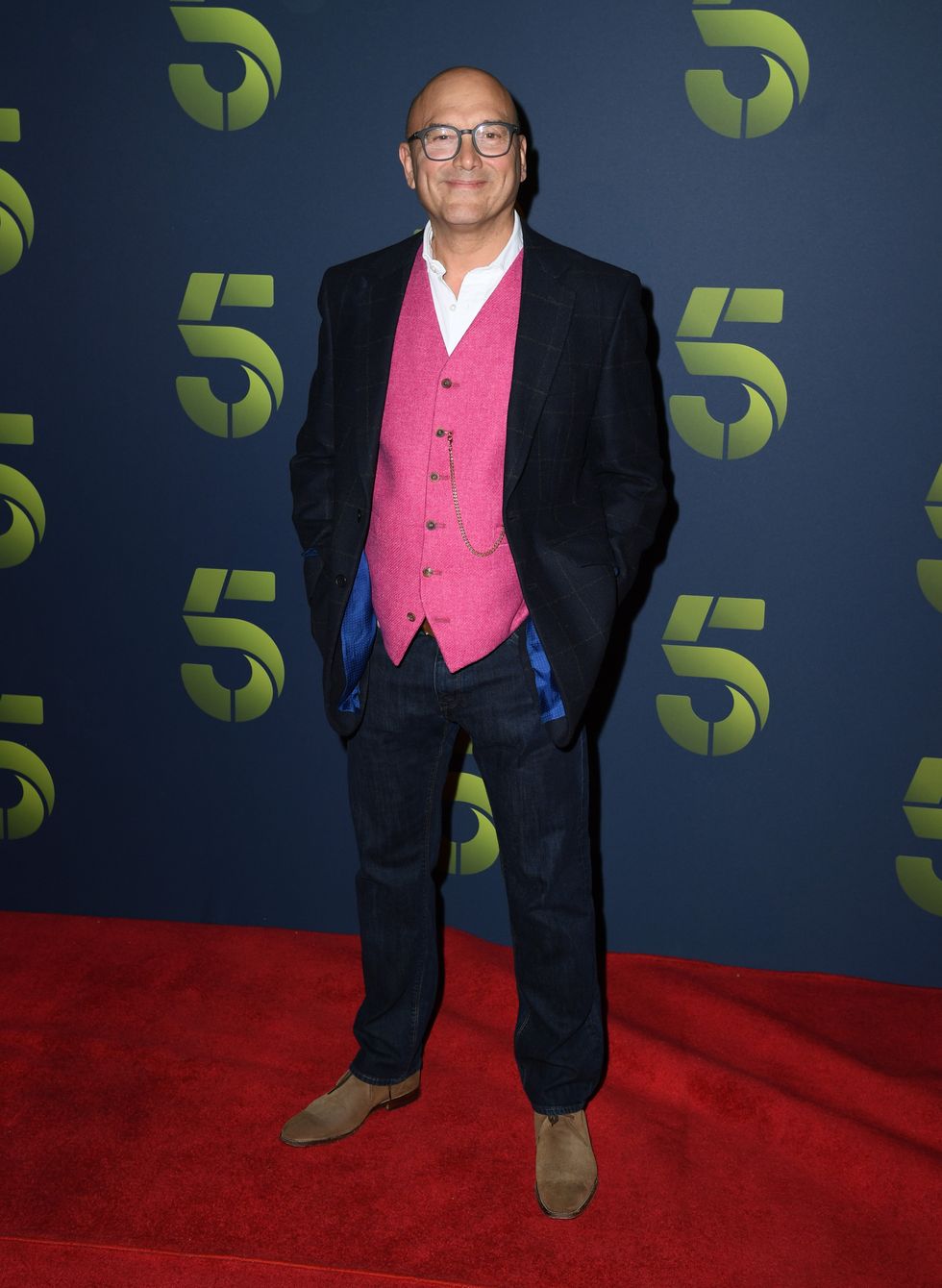 BBC confirmed it will not work with Wallace againGetty Images
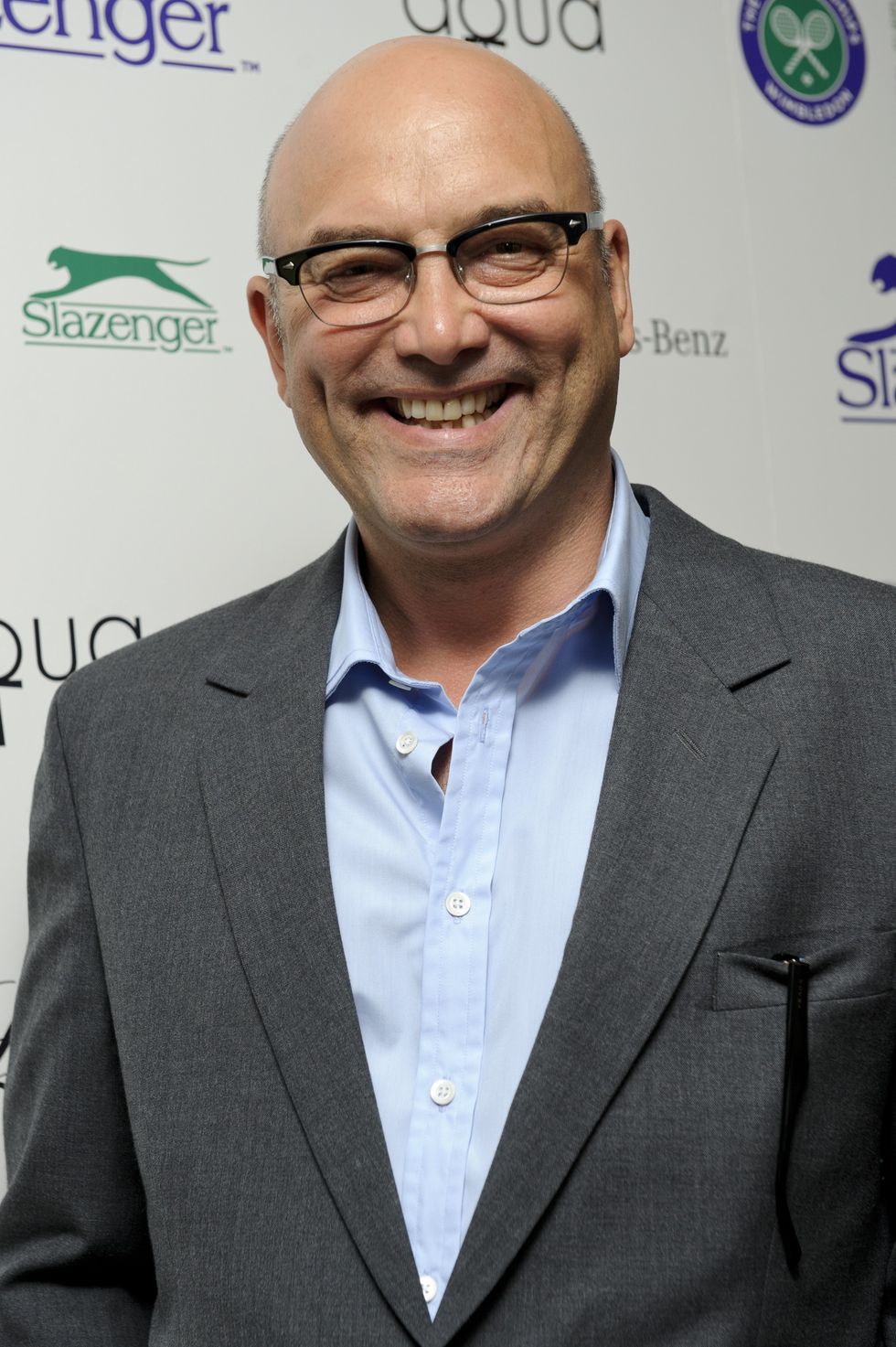 Wallace claimed he was scapegoated amid a toxic production cultureGetty Images
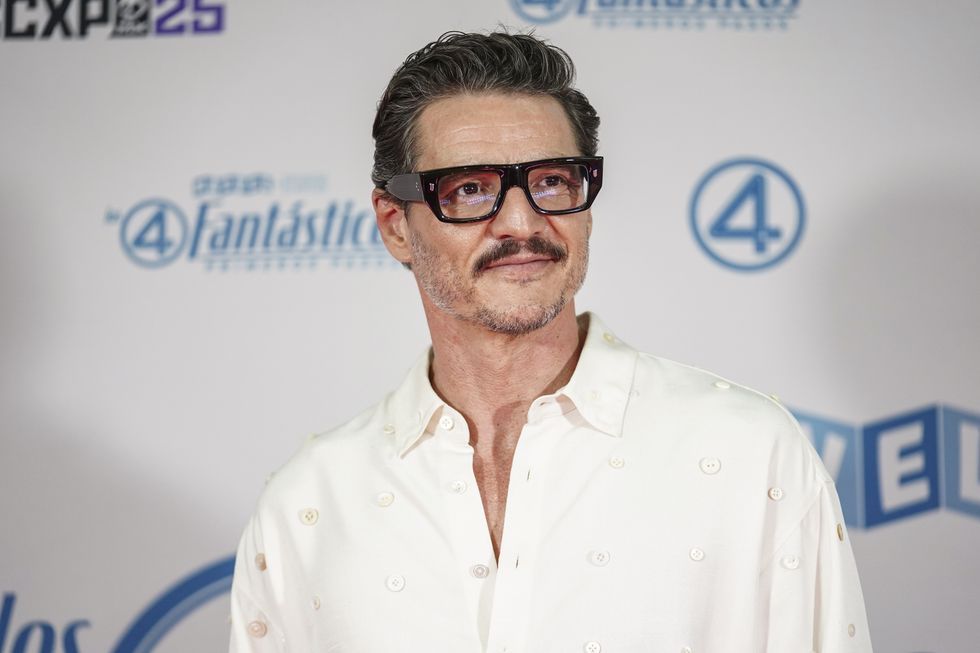 Pedro Pascal addresses fan backlash over playing Reed Richards at 50Getty Images
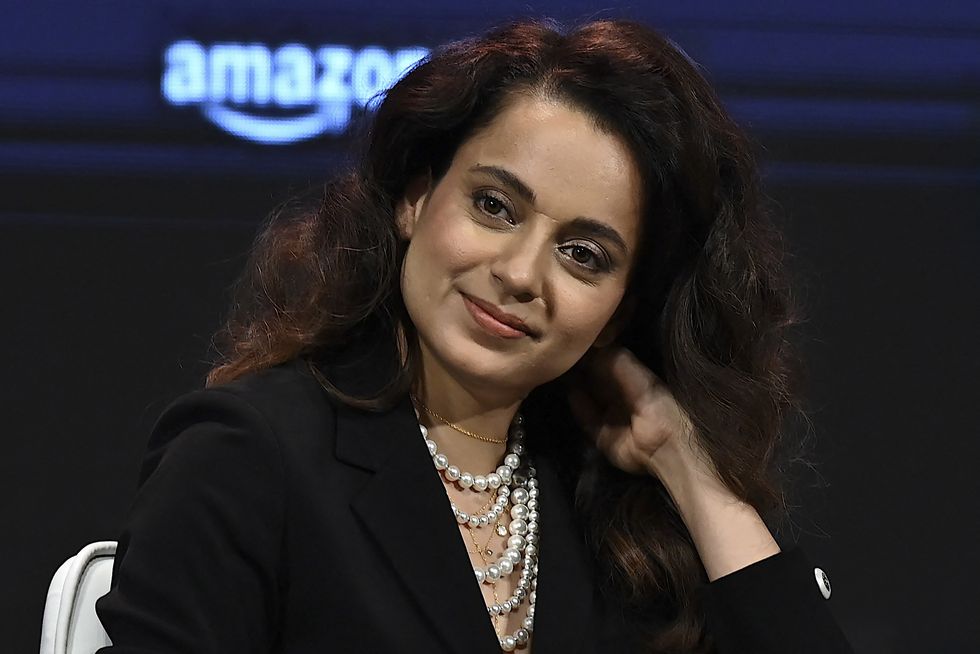 Kangana Ranaut speaks on equality and her role as a ParliamentarianGetty Images
 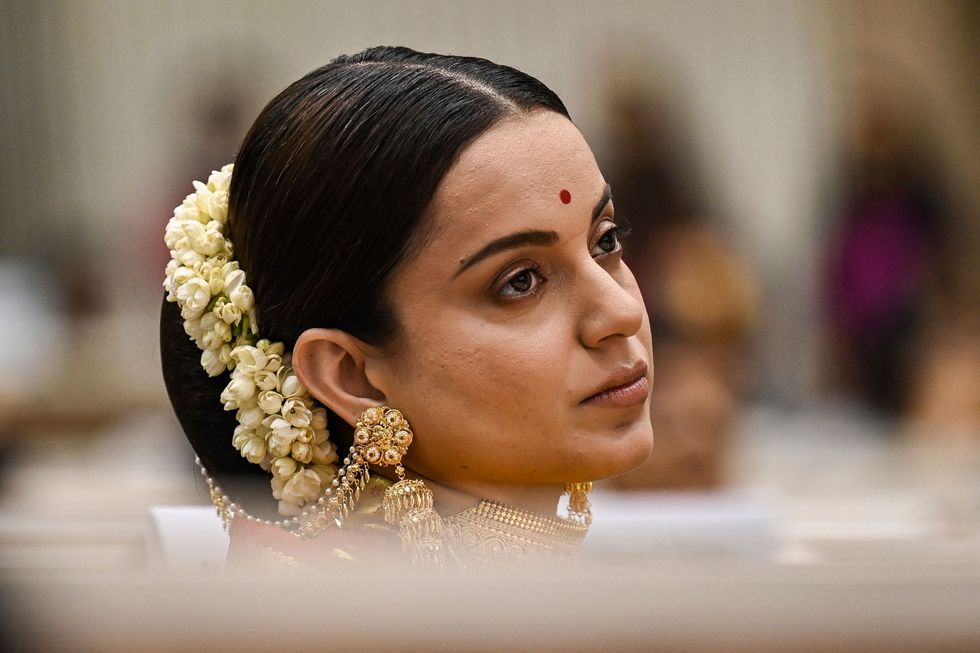 Kangana Ranaut calls equality a flawed idea, claims it’s ruining work ethic in today’s youthGetty Images
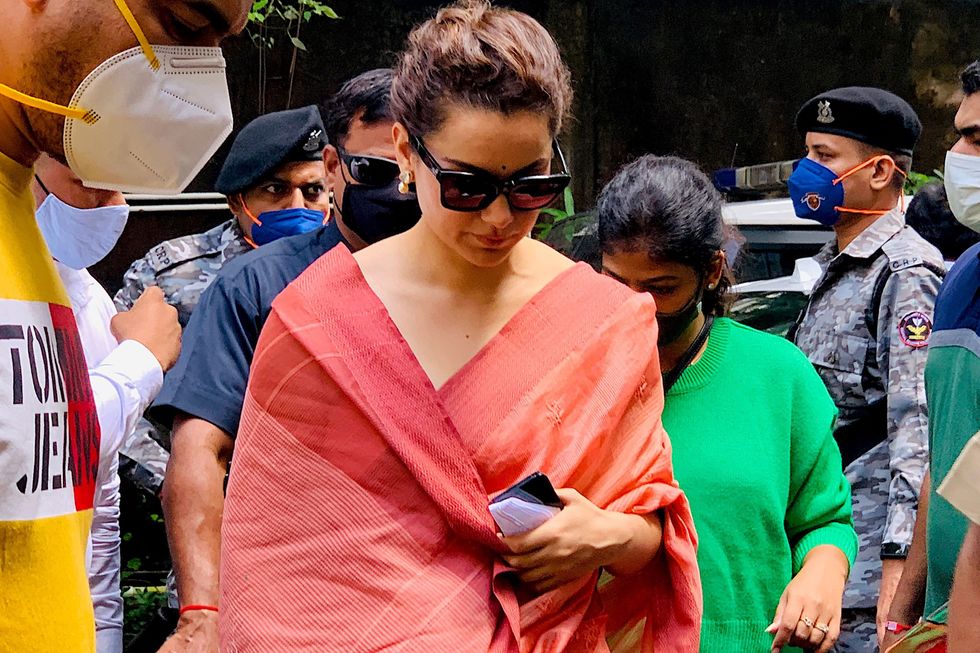 Kangana Ranaut says belief in equality has created a ‘generation of morons’ in viral Times Now interviewGetty Images
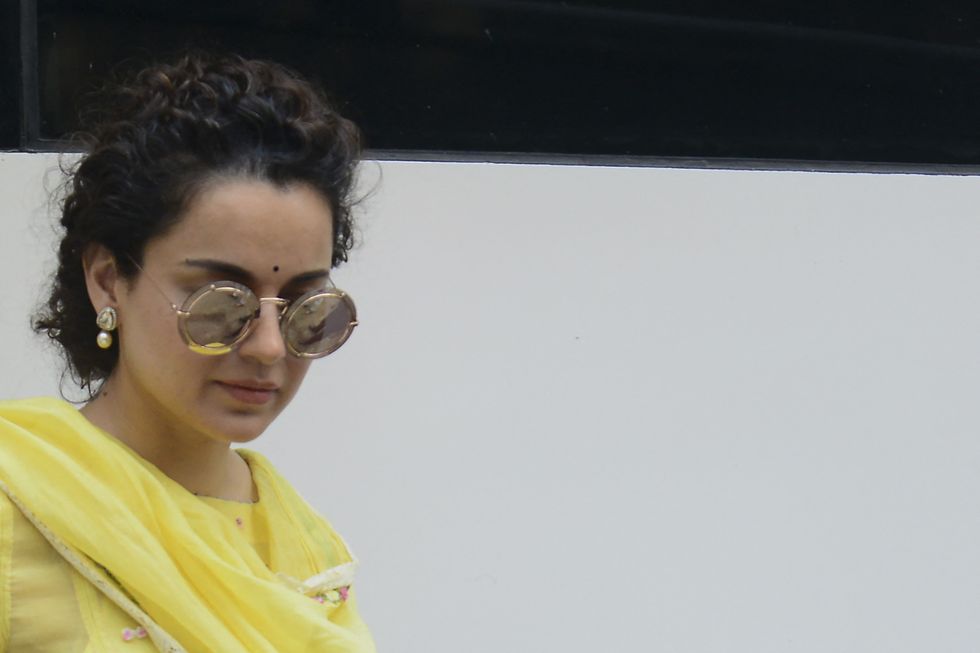 Kangana Ranaut blames equality for entitlement culture, says no two people are equalGetty Images