
Highlights
- iOS 27 arrives on September 14 with a redesigned experience and new AI features
- Siri is getting deeper Apple Intelligence integration, while Screen Time is also being revamped
- New personalisation options, Handoff features and Wallet tools are coming to compatible iPhones
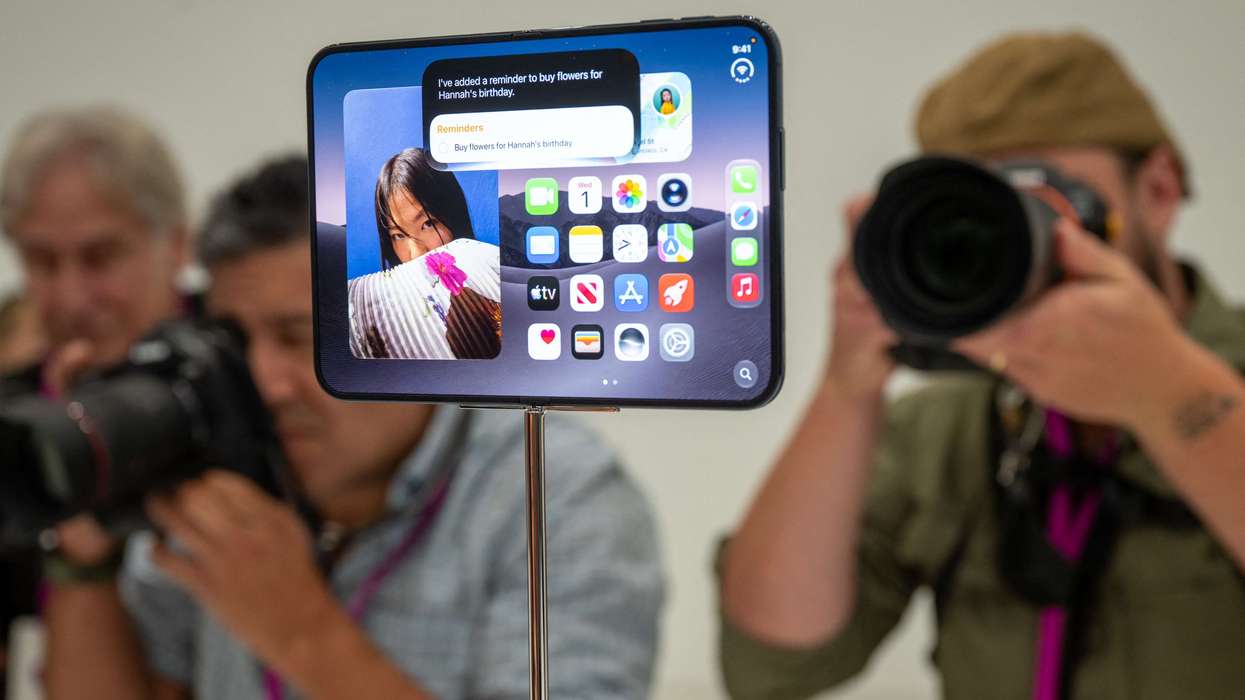
Apple is preparing to roll out iOS 27, bringing a series of changes that could make the iPhone look and work differently. While the new version puts more focus on artificial intelligence, some of the most noticeable updates are coming to everyday features such as Siri, Screen Time and the Lock Screen.
The update was officially announced at Apple’s September event and will be available from September 14. Here are the changes iPhone users should know about.
Siri is getting a major AI upgrade
One of the biggest changes in iOS 27 is the deeper integration of Apple Intelligence into Siri. Apple is introducing an AI-powered version of its assistant, giving it more advanced capabilities and making it a bigger part of the iPhone experience.
Users will also be able to use features such as Write with Siri, allowing them to interact with the assistant through typed requests rather than relying only on voice commands.
However, not every iPhone will get the full range of Apple Intelligence features. The more advanced AI tools are limited to newer compatible models, including the iPhone 15 Pro and iPhone 15 Pro Max and later devices.
Your iPhone will look and feel different
iOS 27 also continues Apple's Liquid Glass design changes, giving users more ways to customise the appearance of the interface. The Lock Screen is getting additional adjustments, while Apple is also changing how some elements of the system look and behave.
Screen Time is another everyday feature receiving a redesign, giving users a refreshed way to keep track of how they use their devices.
These changes may not sound as dramatic as a new Siri, but they could be among the updates users notice most often once they start using iOS 27.
More Apple Intelligence and everyday tools
Apple is also adding deeper Apple Intelligence integration across the operating system, alongside new features such as Apple Handoff and Wallet Insights.
RCS is receiving further updates too, expanding Apple's support for richer messaging between iPhone and Android users.
iOS 27 will support a range of iPhones, starting with the iPhone 11 series and including the second-generation iPhone SE and newer models. However, the availability of individual features will depend on the device.
The public and developer betas have already been available, with Apple releasing the release candidate on September 9. For most users, the next major step is the full public rollout on September 14.