
Highlights
- Apple has unveiled a rebuilt Siri powered by generative AI as part of its wider AI strategy.
- The assistant is designed to perform tasks across apps rather than simply answer questions.
- New child safety features for iPhones and iPads were also announced at WWDC.
For much of the AI race, Apple has appeared to be playing catch-up. Rivals have spent the past few years launching increasingly sophisticated chatbots, while Apple's own AI ambitions have been marked by delays and missed deadlines.
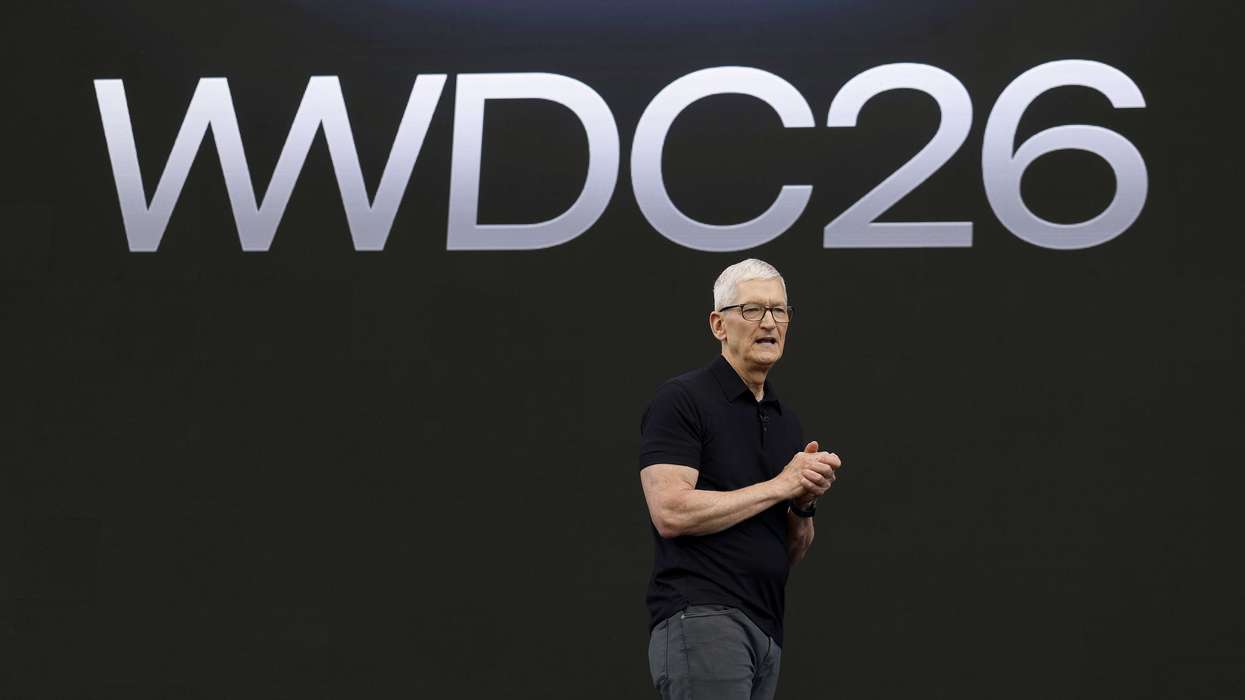
At this year's Worldwide Developers Conference (WWDC), however, Apple signalled that it is pursuing a different goal. Rather than creating another standalone chatbot, the company wants artificial intelligence to become the layer that quietly connects everything users do across their devices.
Siri moves from answering questions to taking action
The centrepiece of Apple's announcements was "Siri AI", a rebuilt version of its voice assistant that will be released widely this autumn.
Unlike earlier versions of Siri, which primarily responded to requests or searched for information, the new assistant is designed to work across Apple's ecosystem. It can interact with apps, retrieve information, organise schedules, help with navigation and complete tasks without requiring users to jump between different applications.
During a demonstration, Apple showed Siri identifying a location from a photograph, finding a nearby contact's address and creating travel directions with multiple stops, all within a single conversation.
The shift reflects Apple's broader ambition to make AI less visible but more useful in everyday life.
A different approach to the AI race
While competitors such as ChatGPT and Google Gemini have popularised AI as a destination in itself, Apple is positioning artificial intelligence as a feature embedded throughout its products.
The company also announced new AI-powered tools across Safari, Messages, Home, Camera and Photos. Rather than existing as separate services, these features are intended to support routine tasks already performed on iPhones, iPads and Macs.
Apple executives suggested that AI should enhance existing experiences rather than dominate them. The approach aligns with comments from incoming chief executive John Ternus, who has said technology should make everyday tasks easier without drawing attention to itself.
Safety remains part of the pitch
Alongside its AI announcements, Apple introduced a range of new child safety features.
Parents will be given greater control over what content children can access, who they communicate with and how much time they spend using apps. New tools include parental approval for visiting unfamiliar websites, automatic blurring of graphic images in messages and a redesigned Screen Time dashboard.
The additions allowed Apple to present AI and online safety as parallel priorities during the conference.
For Apple, the launch of Siri AI is not simply about improving a voice assistant. It marks an attempt to redefine how users interact with their devices, turning AI into the technology that quietly links apps, services and everyday tasks across its ecosystem.