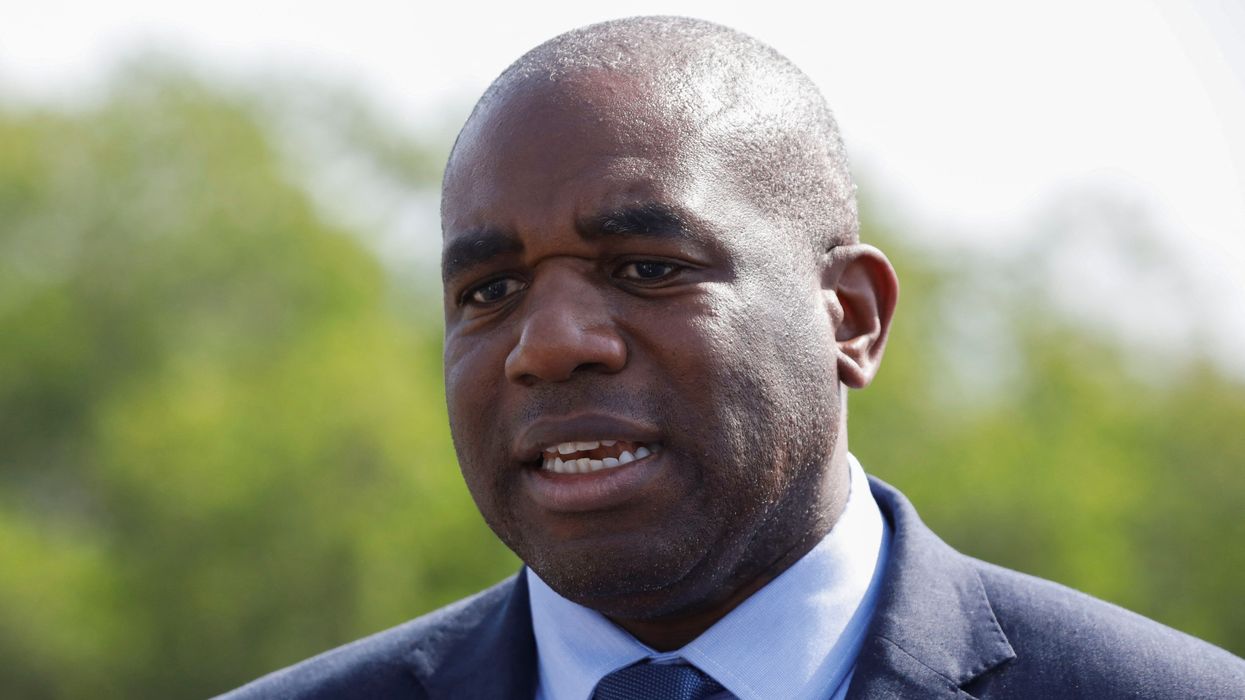

FOREIGN SECRETARY David Lammy said on Saturday that Britain is working with the United States to ensure the ceasefire between India and Pakistan holds, and to support confidence-building measures and dialogue between the two sides.
Speaking in Islamabad at the end of a two-day visit, Lammy said, “We will continue to work with the United States to ensure that we get an enduring ceasefire, to ensure that dialogue is happening and to work through with Pakistan and India how we can get to confidence and confidence-building measures between the two sides.”
Pakistan has said that Britain and other countries, along with the United States, played a key role in helping de-escalate the recent fighting between the two countries. The ceasefire was brokered on May 10 after diplomatic efforts, but diplomats and analysts have said it remains fragile.
ALSO READ: UK and Pakistan foreign ministers meet after India-Pakistan conflict
Tensions rose after a deadly attack on tourists in Kashmir, which India has blamed on Pakistan. Pakistan has denied involvement. Both countries fired missiles onto each other’s territory during the escalation.
US president Donald Trump has said talks should take place in a third country but no venue or dates have been announced.
“These are two neighbours with a long history but they are two neighbours that have barely been able to speak to one other over this past period, and we want to ensure that we do not see further escalation and that the ceasefire endures,” Lammy said.
Lammy also commented on India’s decision to suspend the Indus Water Treaty, saying, “We would urge all sides to meet their treaty obligations.”
India had said last month that it had “put in abeyance” its participation in the 1960 treaty that governs use of the Indus river system. Pakistan has said any disruption to its water access would be considered an act of war.
Lammy said Britain would continue to work with Pakistan on countering terrorism. “It is a terrible blight on this country and its people, and of course on the region,” he said.
ALSO READ: David Lammy urges India, Pakistan to sustain ceasefire
‘Obfuscation’ by Russia on Ukraine
Lammy criticised Russia following brief talks with Ukraine on a potential ceasefire. The meeting ended in under two hours, and Trump said no progress was possible until he met Russian president Vladimir Putin directly.
“Yet again we are seeing obfuscation on the Russian side and unwillingness to get serious about the enduring peace that is now required in Ukraine,” Lammy said. “Once again Russia is not serious.”
“At what point do we say to Putin enough is enough?” he said.
(With inputs from Reuters)