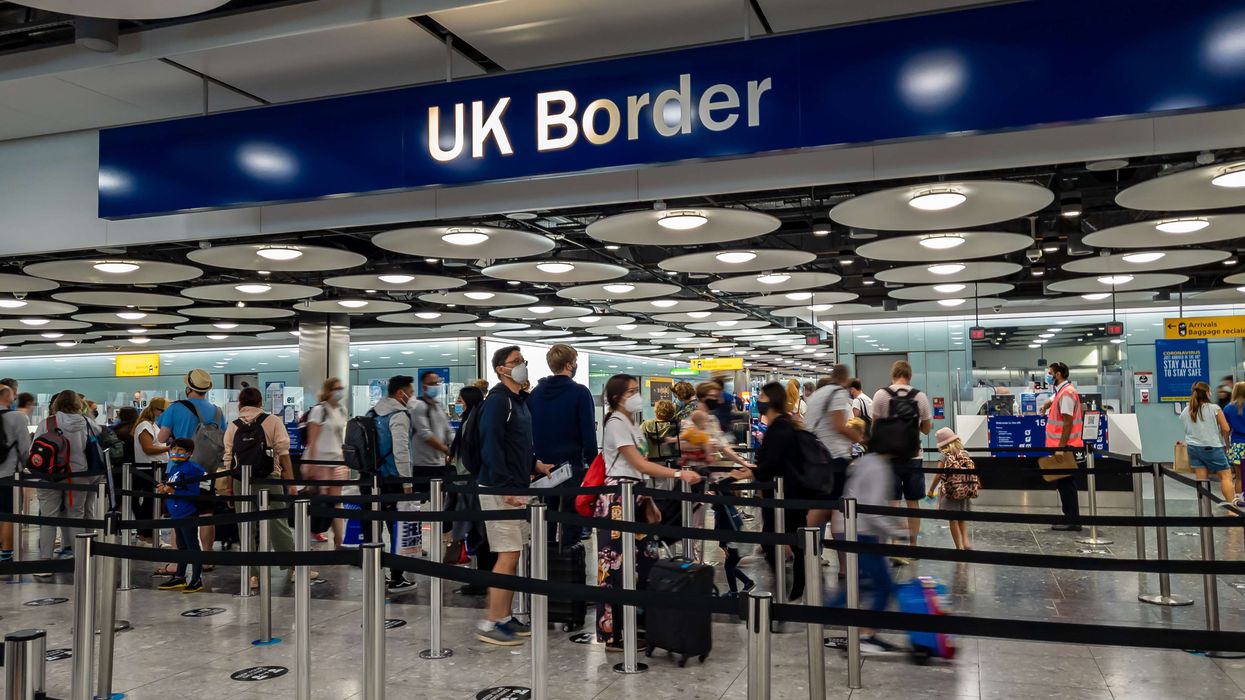

SOME migrants coming to the UK will need to speak English to an A-level standard under new rules that take effect from January 8, 2026.
The change will apply to some graduates and those applying for skilled worker or scale-up visas, which are issued to people employed by fast-growing businesses. It is part of wider plans to reduce immigration, outlined in a government white paper published in May, BBC reported.
Home secretary Shabana Mahmood said: “If you come to this country, you must learn our language and play your part.” She added, “This country has always welcomed those who come to this country and contribute. But it is unacceptable for migrants to come here without learning our language, unable to contribute to our national life.”
Applicants will be tested on speaking, listening, reading and writing at Home Office-approved centres. They must achieve a B2 level, higher than the current B1 (GCSE equivalent).
Home Office estimates suggest the new measures could reduce migration by up to 100,000 a year.
Net migration to the UK fell to 431,000 in 2024 from 906,000 in 2023.
Critics, including immigration lawyer Afsana Akhtar, said the new standard is “unfair” and could exclude skilled workers.
Further English language and visa changes are expected, according to Home Office minister Mike Tapp.