Skip to content
Search

Latest Stories

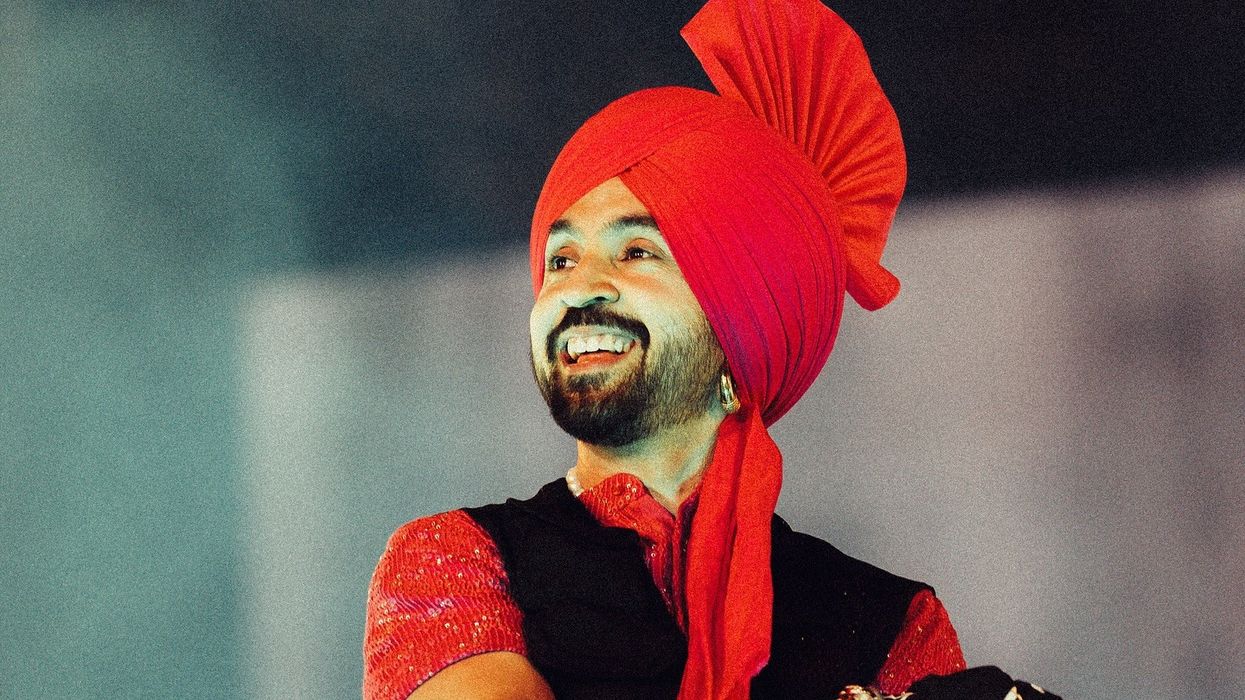
Diljit-Taapsee starrer Soorma completes shoot before time

The makers of the forthcoming biographical drama Soorma have wrapped up the shooting of the film before time. The last shooting schedule of the movie was being shot in Belgrade, the capital city of Serbia.

Starring Diljit Dosanjh and Taapsee Pannu in pivotal roles, Soorma is based on the life of ex-captain of Indian Hockey Team, who made a resounding comeback in Hockey after being accidentally shot by a gunshot in a train, while on his way to join the team, set to leave for the 2006 World Cup in Germany two days later.


Actress Taapsee Pannu, who plays a player and the love interest of Dijit Dosanjh's character, took to Twitter to announce the completion of the movie. She wrote, "And that's a wrap! From blazing goals to crazy cold! It's packup for Team #Soorma .. See you in theatres on 29th June 2018! ".

Directed by Ok Jaanu fame Shaad Ali, Soorma is being bankrolled by Sony Pictures Networks Productions in collaboration with actress-turned-producer Chitrangda Singh and Deepak Singh.

The film is slated to release on 29th June and will clash with Ranbir Kapoor's Sanjay Dutt biopic.

More For You

Samir Zaidi

Two Sinners marks Samir Zaidi’s striking directorial debut

Samir Zaidi, director of 'Two Sinners', emerges as a powerful new voice in Indian film

Indian cinema has a long tradition of discovering new storytellers in unexpected places, and one recent voice that has attracted quiet, steady attention is Samir Zaidi. His debut short film Two Sinners has been travelling across international festivals, earning strong praise for its emotional depth and moral complexity. But what makes Zaidi’s trajectory especially compelling is how organically it has unfolded — grounded not in film school training, but in lived observation, patient apprenticeships and a deep belief in the poetry of everyday life.

Zaidi’s relationship with creativity began well before he ever stepped onto a set. “As a child, I was fascinated by small, fleeting things — the way people spoke, the silences between arguments, the patterns of light on the walls,” he reflects. He didn’t yet have the vocabulary for what he was absorbing, but the instinct was already in place. At 13, he turned to poetry, sensing that the act of shaping emotions into words offered a kind of clarity he couldn’t find elsewhere. “I realised creativity wasn’t something external I had to chase; it was a way of processing the world,” he says. “Whether it was writing or filmmaking, it came from the same impulse: to make sense of what I didn’t fully understand.”

Keep ReadingShow less