
Highlights
- CAA sanctions Arora's cheaper runway proposal.
- His £25bn plan backed by British Airways and Virgin Atlantic.
- Alternative could avoid M25 disruption unlike rival scheme.
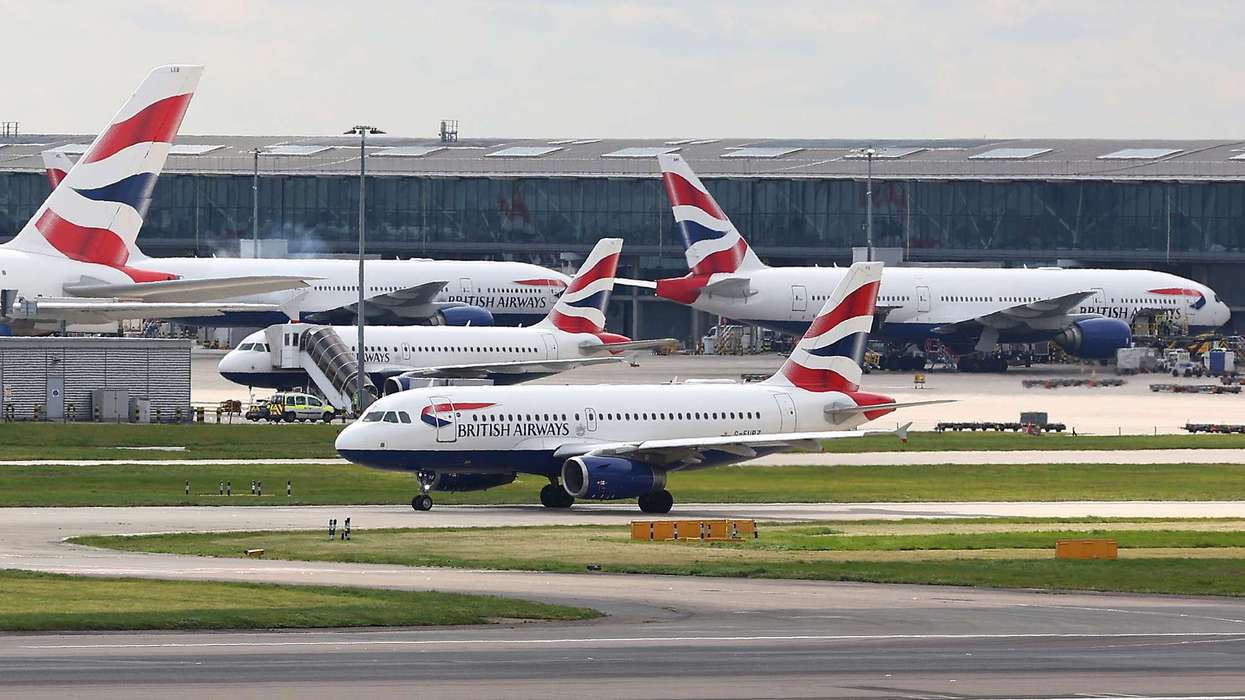
The regulator started a consultation presenting four possible models for Heathrow expansion, including letting a competitor develop a new runway and terminal at Europe's largest aviation hub.
Arora's proposal has now been approved in principle by the CAA for consideration.
Arora, chairman of Arora Group, presented a £25 billion plan to build a shorter but fully working 2.8 kilometre runway north of the two existing runways.
This differs from Heathrow Airport Limited's £49 billion plan for a 3.5 kilometre runway that would cause long-term disruption to the M25 motorway.
Alternative plan presented
The CAA said it looked at whether a different model could better serve consumers. It held talks with both the airport's owners and Heathrow Reimagined, a group made up of Arora Group supported by British Airways owner IAG and Virgin Atlantic.
Arora said he could have his runway working by 2035 along with a new Terminal 6. The plan, developed with American construction consultancy Bechtel, would cost less, need less land, avoid M25 disruption, and cause less trouble for local residents and businesses.
"Two years ago competition at Heathrow wasn't on the cards and now is very much alive and kicking because the case for change is so strong. We welcome this consultation from the CAA," Arora told The Times.
The CAA outlined four options. These include letting Heathrow itself lead expansion with stronger regulatory controls, longer-term price mechanisms, competitive tendering while Heathrow keeps coordination, or the alternative developer model suggested by Arora.
Under the alternative model, an entity would design, build, finance, own and operate assets such as a new terminal, providing services directly to airlines in direct competition with Heathrow Airport Limited.
Multiple terminal owners within one airport is a model used at various hubs around the world and is popular in North America.
A Heathrow spokesperson said the airport's success comes from private investment and strong airline partnerships.
"We support reform that boosts efficiency, cuts red tape and keeps investment flowing, but not proposals which will undermine our efforts to improve the airport for consumers or delay the economic growth the country needs."
The consultation runs until mid-next month. The government hopes for a planning decision on Heathrow expansion by 2029.