
Highlights
- Tommy Fleming has publicly revealed he is gay for the first time
- The singer said the breakdown of his marriage followed years of internal struggle
- He described feeling trapped and said he had been “living a lie”
- Fleming also spoke about depression, guilt and his mental health crisis
A personal truth shared after years of silence
Singer Tommy Fleming has spoken publicly for the first time about his sexuality, revealing that he is gay and describing the emotional burden of concealing that part of his identity for much of his life.
The singer reflected on the end of his marriage to Tina, whom he met in 2002 and married four years later. The couple separated in September last year. Looking back, Fleming said the relationship had been happy for many years, but over time unresolved issues began to grow. What began as small cracks eventually widened into something much harder to repair.
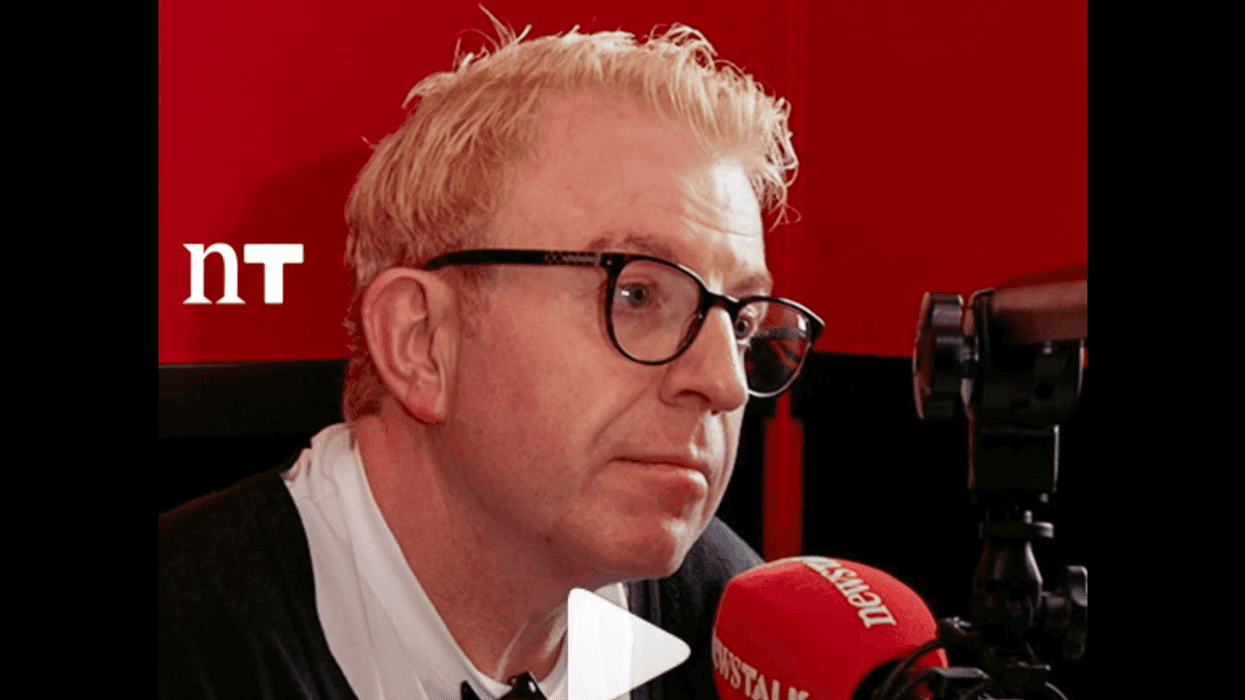
Speaking on The Hard Shoulder, Fleming said he had spent years hiding an essential truth about himself. He described the emotional effort involved in constantly protecting what he now sees as a life lived without honesty and said he had finally reached a point where he wanted to live openly.
Growing up in a different Ireland
Now 55, Fleming said he knew from a young age that he was not straight, but came of age during a period when attitudes in Ireland were very different. Homosexuality remained illegal in Ireland until 1993 and public discussion around sexuality often carried fear, stigma and hostility.
He recalled memories from the mid-1980s during the height of the AIDS crisis, describing the atmosphere and language surrounding gay people at the time as deeply influential. Those experiences, he suggested, contributed to years of suppressing feelings and struggling with identity.
When he later met Tina, Fleming said he had been open about having previously been in a relationship with a man. At the time he believed he was bisexual, but as the years passed he came to realise he was gay. The understanding brought clarity, but also left him feeling trapped within a situation he no longer knew how to navigate.
Mental health struggles and searching for acceptance
Fleming said carrying those emotions gradually became overwhelming. He described waking up with persistent emotional pain and said feelings of guilt eventually began affecting different areas of his life, including his relationship with alcohol.
Last year, following an overdose and suicide attempt, he was admitted to hospital where he was diagnosed with acute depression and anxiety. Fleming said he had reached a point where he felt he had failed in every aspect of life and questioned his own sense of identity and self-worth.
He also acknowledged the impact his struggles have had on his family and expressed deep regret over the pain caused to those closest to him. Reflecting on the situation, Fleming said he hoped that, in time, understanding and acceptance would follow.