
Highlights
- 19 per cent of subscribers do not utilise every platform they pay for, with unused Netflix and gym apps draining bank accounts.
- 31 per cent of Britons plan to review and cancel unused services following Christmas spending squeeze.
- New consumer protections coming later this year will require companies to remind customers about active subscriptions.
British households could save up to £400 a year by cancelling forgotten subscription services, with families spending as much as £1,200 annually on unused streaming platforms, fitness apps and delivery memberships, according to new research.
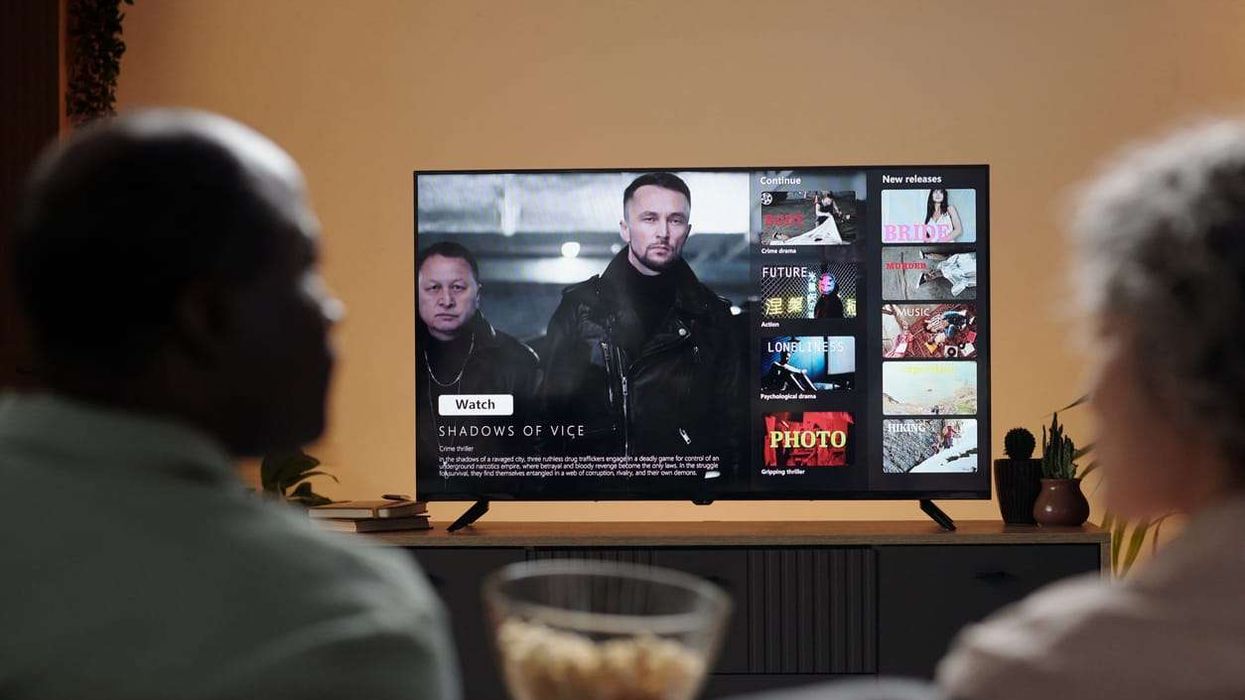
A Nationwide survey has revealed that millions are paying for "zombie" subscriptions—neglected exercise apps or unwatched Netflix accounts—with recurring charges quietly draining money from bank accounts each month.
The research found that 19 per cent of subscribers do not utilise every platform they pay for and could save hundreds of pounds by cancelling or merging them.
Following the Christmas spending period, 31 per cent plan to actively review and cancel unused services.
Mark Nalder, service, operations and performance director at Nationwide, said the start of a new year is a "natural time to reassess spending and priorities.
Whether it's pooling resources for a cheaper family plan with your housemates or cancelling memberships you've forgotten about, managing your regular outgoings and factoring them into your budget can be crucial in avoiding overspend."
Cut costs smartly
Personal finance experts recommend conducting a thorough audit by reviewing bank statements and collating all payments to streaming delivery and media subscriptions on a spreadsheet.
Rebecca Bebbington of NetVoucherCodes advised, "Start by making a full list of everything you pay for regularly: monthly, quarterly or annually. Note down which services you actually use and mark down the renewal dates."
Experts also suggest "leapfrogging" between streaming services rather than maintaining multiple subscriptions simultaneously.
"Instead of juggling multiple streaming subscriptions, stick with one at a time. Plan how you watch, enjoy, cancel, and then hop on to the next," Bebbington said.
Families can save by switching to shared plans. Spotify's Premium Family plan costs £21.99 monthly for up to six members, significantly cheaper than individual plans at £12.99 each, while couples can access a Duo Premium plan for £17.99.
Some subscriptions come free with existing services. Club Lloyds bank account holders receive 12 months of Disney+, while Amazon Prime members get Deliveroo Plus Silver.
New consumer protections launching later this year will require companies to contact customers with subscription details and cancellation instructions, helping people identify unwanted memberships.