
Highlights
- Rabbi Shergill says AR Rahman's concerns over communal bias should be taken seriously.
- Singer cites The Kashmir Files and The Kerala Story while discussing the changing nature of film financing.
- He says ideological politics is influencing cinema and reflects a broader global trend.
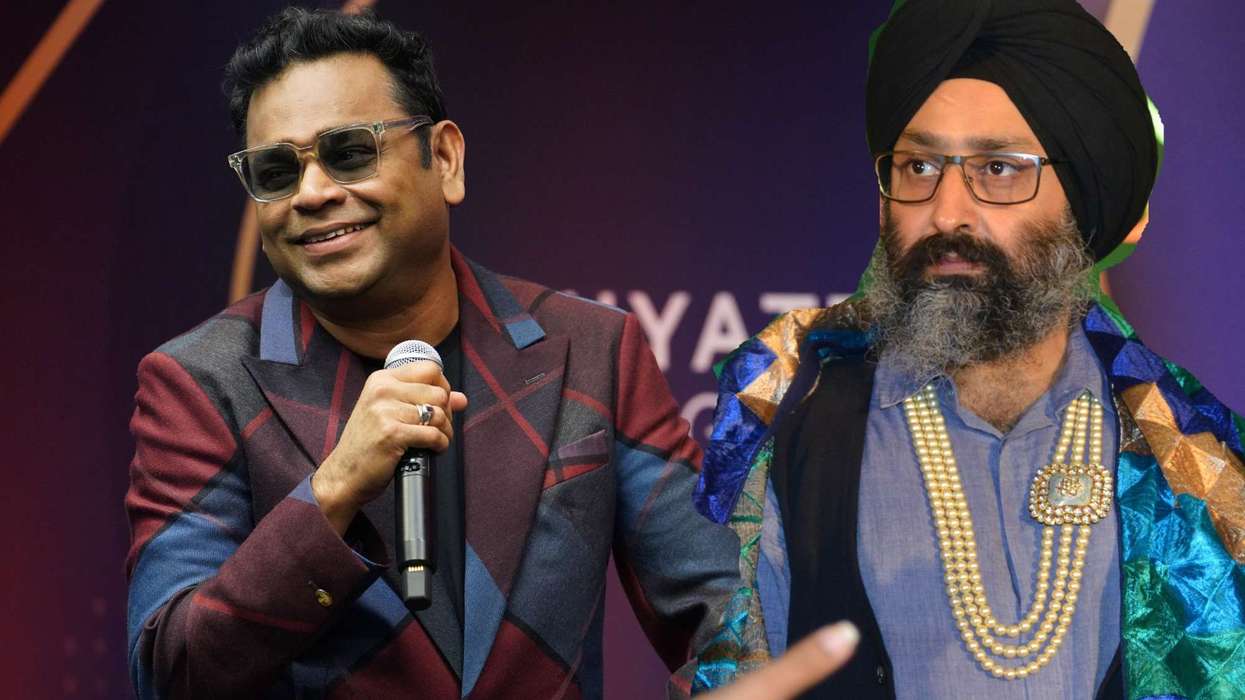
Singer-songwriter Rabbi Shergill has linked AR Rahman's recent remarks about communal bias in the entertainment industry to what he described as the growing prominence of "propaganda cinema".
Speaking on The Life Savers Show, Rabbi said he was unaware of the exact context of Rahman's comments but felt they should not be dismissed in light of the current political climate.
Rabbi points to films he calls 'political'
While clarifying that he could not comment on whether communal bias exists specifically within the music industry because he is not based in Mumbai, Rabbi said he believes broader trends in film financing reflect ideological influences.
He referred to The Kashmir Files and The Kerala Story as examples of films that many consider political, adding that they do not necessarily present an unbiased view of events.
Commenting on Rahman's remarks, Rabbi said, "If Rahman is saying this, I think you have to take him at his word. It probably does exist, and that's one of the biggest problems of our times."
Says the trend extends beyond India
Rabbi argued that the issue is part of a wider global political shift rather than something confined to India.
He said left-leaning politics had greater influence across much of the world during the 1960s, but many countries are now seeing the rise of right-wing governments and ideologies. Although he suggested political trends can be cyclical, he said current developments are evident across several nations.
He also pointed to Pakistan, China and Sri Lanka as examples of countries where ideology has become increasingly influential in politics.
Raises concerns over centralised politics
Discussing India's political landscape, Rabbi said political parties have become increasingly centred around individual leaders.
He argued that challenging a party's central leadership has become more difficult, citing the departures of Prashant Bhushan and Yogendra Yadav from the Aam Aadmi Party as an example of how internal dissent is handled.
Rabbi's comments come after AR Rahman's recent remarks sparked debate over whether communal bias exists within the entertainment industry, with the singer-songwriter suggesting the discussion should be viewed within a broader political and cultural context.