
Highlights
- Netflix will use an AI-generated version of Gene Wilder's voice in Wonka's The Golden Ticket.
- The late actor's estate approved the recreation, created by AI company ElevenLabs.
- While Gene Wilder's widow welcomed the project, some fans have criticised the decision, reigniting debate over AI in entertainment.
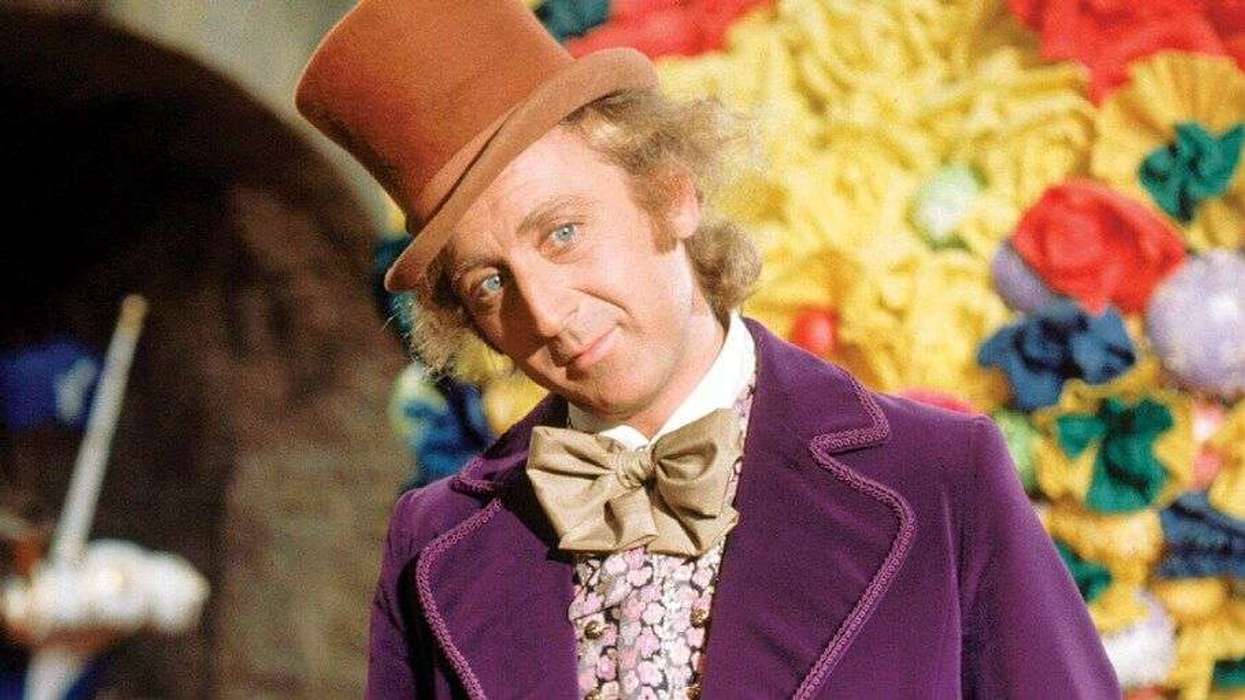
Netflix has sparked a fresh debate over the use of artificial intelligence in entertainment after revealing that its upcoming reality series, Wonka's The Golden Ticket, will feature an AI-generated recreation of Gene Wilder's voice.
Wilder, who immortalised Willy Wonka in the 1971 film Willy Wonka & the Chocolate Factory, died in 2016. The streaming platform said the recreated voice has been produced by AI audio company ElevenLabs with the approval of the actor's estate.
Fans question Netflix's AI recreation
The announcement prompted an immediate reaction online, with some fans arguing that recreating Wilder's voice was unnecessary.
Several described the move as "disrespectful", while others said the AI version lacked the warmth and personality that made Wilder's performance so memorable. Some social media users also compared the announcement to Glasgow's widely mocked "Willy's Chocolate Experience" event in 2024, which became a viral sensation after failing to meet expectations.
Wilder's estate backs the project
Not everyone shared those concerns. Karen B. Wilder, the actor's widow, said she was "delighted" that the series celebrates the imagination Gene Wilder brought to the role of Willy Wonka.
Netflix said Wonka's The Golden Ticket draws inspiration from Roald Dahl's classic story, with contestants taking part in a series of Wonka-inspired temptations and challenges for a final prize.
AI recreations continue to divide audiences
The project is the latest example of studios using AI to recreate the voices of well-known performers.
In 2024, the family of the late broadcaster Sir Michael Parkinson defended the use of AI to reproduce his voice for a podcast. Disney also recreated James Earl Jones's iconic Darth Vader voice for Obi-Wan Kenobi with the actor's approval.
Jocelyn Burnham, a researcher specialising in AI's role in arts and culture, said entertainment companies appear to be testing how far audiences are willing to accept digital recreations. While viewers are not automatically opposed to AI, she said recreating the voices of beloved actors is likely to face greater scrutiny than most other uses of the technology.