
AIR INDIA has ordered mandatory drug tests for all its pilots after the captain of a flight involved in a serious mid-air incident reportedly tested positive for marijuana.
The airline began full screening on Thursday (13), according to an internal memo, replacing its usual random testing of at least 10 per cent of flight crew each year.
“We have decided to undertake a full screening of all Group pilots for any substances or medications that are not permitted under prevailing regulations,” the memo said. “Testing is mandatory and will start today.”
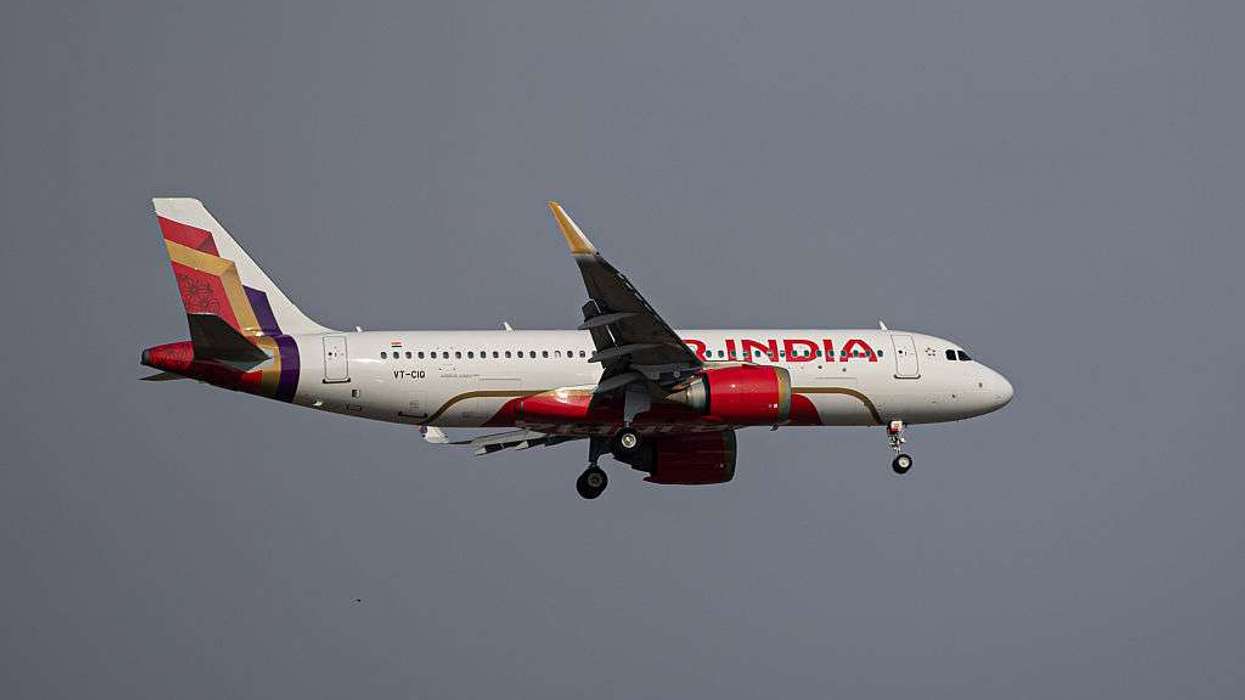
The move follows an incident on August 4 involving Air India flight AI2379, an Airbus A320 travelling from Phuket in Thailand to New Delhi.
The aircraft suddenly lost about 300 feet (91 metres) of altitude shortly after take-off, injuring at least 24 passengers. It later landed safely in Delhi.
A source familiar with the matter said the flight's captain tested positive for marijuana in a confirmatory drug test. Air India has said the results have not been shared with the airline.
No link has been established between the reported drug test result and the aircraft's sudden loss of altitude.
'Aircraft experienced a loss of pressure'
A preliminary analysis by Airbus found that the aircraft experienced a loss of pressure in all three hydraulic systems, which help power its flight controls and other equipment.
The systems failed in quick succession. For about four seconds, the pilots were unable to use the aircraft's elevators and ailerons, which control its pitch and banking.
During that period, the aircraft pitched upwards. The first officer applied full nose-down input, but there was “no direct response” from the flight-control surfaces before the hydraulic systems recovered within seconds.
Airbus has not established what caused the loss of hydraulic pressure.
It has asked Air India to test the aircraft's hydraulic systems, pressure sensors and switches. It also requested that some sensors be removed for inspection and said further checks of the wiring could be needed.
The aircraft also experienced forces above specified limits during the sudden change in altitude. Airbus has asked Air India to inspect it for possible structural damage and provide details of recent hydraulic system maintenance and more information from the pilots.
Air India initially described the incident as turbulence-related, but later removed that description and said the aircraft had suffered a sudden loss of altitude.
Indian authorities have classified the incident as serious. The Aircraft Accident Investigation Bureau is investigating, with technical support from Airbus and France's civil aviation safety agency, the BEA.
The Tata Group-controlled airline came under intense scrutiny after flight AI171, a Boeing 787 flying from Ahmedabad to London, crashed shortly after take-off in June 2025. The crash killed 260 people, including 242 people on board and 18 people on the ground.
Air India also appointed former Ethiopian Airlines chief Tewolde Gebremariam as its new chief executive last week as it seeks to turn around the carrier.
Singapore Airlines holds about a 25 per cent stake in Air India.
(Agencies)