Highlights
- Netanyahu calls the UK the “Islamic Republic of Britain”.
- He also refers to Britain as a nuclear-armed Islamic republic.
- British Jewish leaders condemn the remarks as “dangerous and irresponsible”.
- Former Downing Street official Gavin Barwell calls the comments “blatant Islamophobia”.
ISRAELI prime minister Benjamin Netanyahu has described the UK as the “Islamic Republic of Britain”, drawing criticism amid growing tensions between the two countries.
Netanyahu made the comments during an interview for Israel's army radio while discussing British media coverage of Israel.
Praising journalist Randolph Churchill, son of former British prime minister Winston Churchill, for his coverage of Israel more than 50 years ago, Netanyahu said: “Go find that in today's Britain, in what is called the Islamic republic of Britain.”
When the interviewer asked whether Netanyahu was singling out Britain unfairly because other European countries had also become critical of Israel, he went further.
“Yes, but you know someone said the first Islamic republic with nuclear weapons will be the Islamic republic of Britain,” he said.
Pakistan, officially known as the Islamic Republic of Pakistan, has possessed nuclear weapons since the 1990s.
Netanyahu's remarks have been criticised by political figures and Jewish organisations in Britain.
Avi Dabush, a member of Israel's opposition Democrats party, accused Netanyahu of attacking a key ally while Israel faces growing international isolation.
“That’s what happens when there’s a horrific diplomatic failure, and an inability to rally countries in the world in favour of our interests,” he said in a social media post.
'Dangerous and divisive'
The Movement for Progressive Judaism also criticised the comments, saying they were dangerous and divisive.
“At a time when antisemitism, anti-Muslim hatred and social division are causing real fear across our country, language of this kind is dangerous and irresponsible,” said its co-leads Rabbi Charley Baginsky and Rabbi Josh Lev.
“Prime minister Netanyahu does not speak for British Jews. His words do not represent us,” they added.
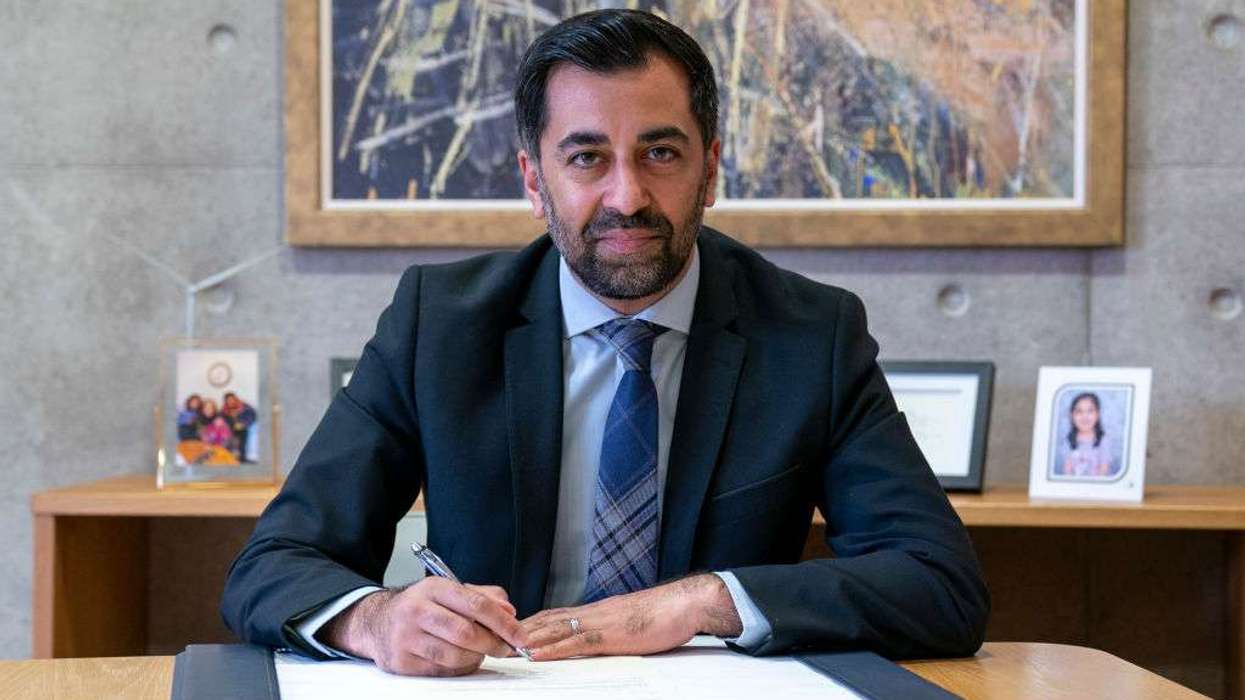
Gavin Barwell, a former Downing Street chief of staff, described Netanyahu's comments as “blatant Islamophobia”.
Relations between Britain and Israel have become increasingly strained in recent years, with London taking a tougher position over Israel's military actions in Gaza and settlement policy.
British prime minister Andy Burnham has said the UK should do more to put pressure on the Israeli government, including considering further sanctions and measures to restrict trade in goods from illegal settlements.
Netanyahu's comments also echoed remarks made by US vice president JD Vance during the 2024 presidential campaign, when he suggested the UK could become the first “truly Islamist country” with nuclear weapons.
The Israeli prime minister's office did not immediately respond to questions about whether his comments represented the official position of the Israeli government. The UK's Foreign, Commonwealth and Development Office also did not immediately comment.







Netanyahu faces backlash for calling Britain ‘Islamic Republic’
Israeli prime minister's comments draw criticism as tensions between London and Jerusalem grow.
Israel's Prime Minister Benjamin Netanyahu gives a news conference in Jerusalem on June 15, 2026.
Pramod Thomas is an assistant editor at Eastern Eye, where he covers British Asian affairs and key developments in UK politics and business. With two decades of journalism experience, his areas of interest include business, international affairs, current events, arts and culture.