
- Morrisons’ net debt has risen from £7.07bn to £7.52bn.
- Lease obligations have climbed to £1.97bn, while preference share liabilities reached £2bn.
- Revenue increased, but underlying earnings remained flat at £835m as Lidl moved ahead of Morrisons.
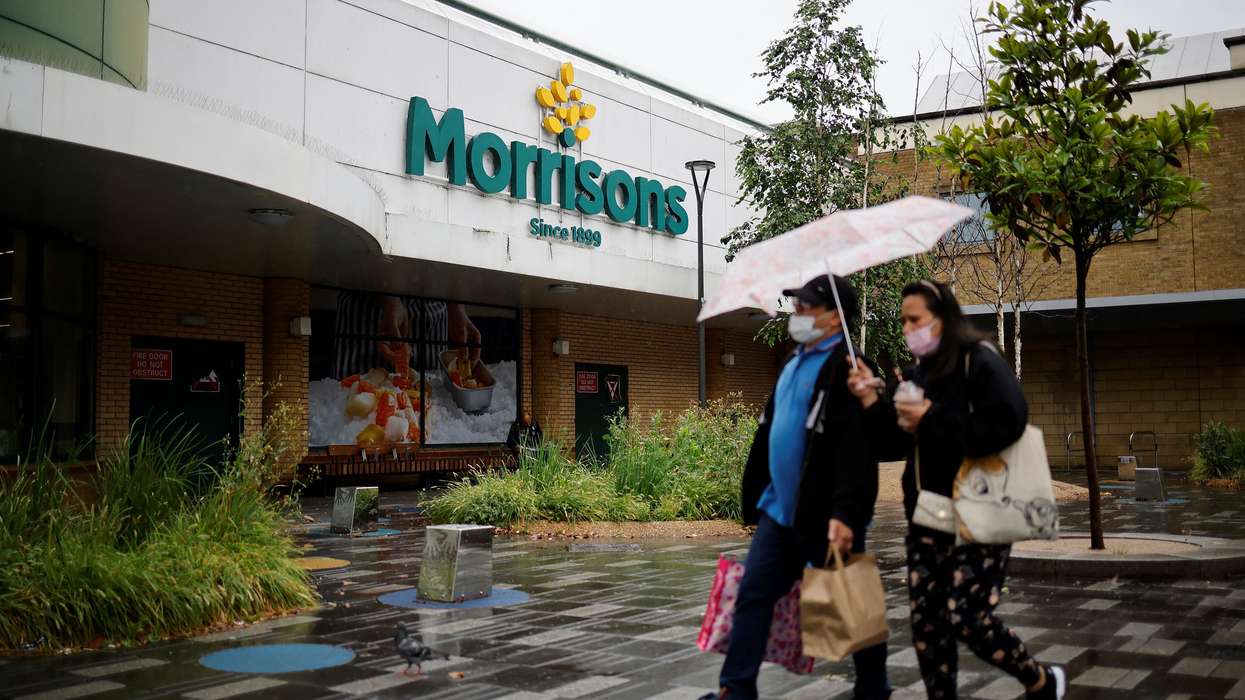
Morrisons is still carrying a £7.52bn debt burden, five years after its takeover by US private equity firm Clayton, Dubilier & Rice (CD&R), with new accounts showing how lease costs and other financial obligations continue to weigh on the supermarket.
Net debt at Market Topco, the ultimate parent company of Morrisons, rose from £7.07bn to £7.52bn in the year to the end of October. That is well above the roughly £3.2bn of net debt obligations Morrisons had before the 2021 takeover.
The deal added around £6.6bn of debt to the business, while the parent company's debt later peaked at about £8.5bn.
But the £7.52bn figure does not represent conventional borrowing alone. Morrisons' financial burden also includes £1.97bn of lease obligations, up from £1.75bn, and preference share liabilities of £2bn, compared with £1.79bn a year earlier.
That distinction is important because Morrisons continues to generate significant operating earnings. The issue is that the supermarket is carrying a financial structure that is much heavier than it was before the takeover.
The stores are becoming part of the financial strategy
One of the more revealing parts of Morrisons' latest accounts is what is happening to its property estate.
The supermarket says more than 80 per cent of its stores remain freehold, meaning it owns them rather than leasing them. But it has also used sale-and-leaseback deals to raise cash from properties.
Under such an arrangement, a company sells a property and then leases it back, allowing it to keep operating from the site while receiving cash upfront. The trade-off is a new rental obligation.
Morrisons made £23m in profit from sale-and-leaseback transactions during the latest financial year. It also confirmed that a small transaction involving a handful of stores contributed to the rise in lease liabilities.
The company said the increase in lease obligations primarily reflected investment in its vehicle fleet and the addition of 39 stores in the Channel Islands, rather than a large-scale property sell-off.
That leaves Morrisons with an unusual balancing act. Its extensive freehold estate gives it an asset that can potentially be used to raise capital, but selling properties also creates future rental commitments.
For a supermarket carrying billions of pounds in financial obligations, that distinction matters.
The preference share liability is another legacy of the takeover. The shares, issued to CD&R, carry a fixed return and the liability rose to £2bn during the year.
So while Morrisons has reduced its debt from the peak reached after the takeover, the financial structure created by the deal is still shaping the business five years later.
The turnaround has to fight on two fronts
Operationally, Morrisons is still growing.
Revenue increased from £15.23bn to £15.77bn, while group like-for-like sales rose 2.8 per cent. But underlying EBITDA from continuing operations remained flat at £835m.
The supermarket said its performance was affected by higher-than-expected inflation, the impact of a cyber incident and costs linked to the 2024 Budget, which it estimates have created an annualised cost of around £200m.
Pre-tax losses from continuing operations before exceptional items widened to £629m from £612m. Morrisons attributed much of the increase to exceptional, non-cash impairment charges, including a writedown in the value of the McColl's business it acquired in 2022.
It has since moved to close a number of loss-making former McColl's stores.
At the same time, competition has become more difficult. Lidl has overtaken Morrisons to become Britain's fifth-largest supermarket, while Morrisons' like-for-like sales growth slowed to 2.2 per cent in the three months to the end of April, from 2.8 per cent in the previous quarter.
Chief executive Rami Baitiéh is therefore trying to improve the supermarket's underlying performance while dealing with the financial legacy of its ownership structure.
Morrisons said its underlying performance remained robust and that it continued to generate strong operating cash flow.
But the latest accounts highlight the challenge facing the turnaround. More sales have not yet translated into lower overall financial obligations, while the supermarket is still competing in a market where Aldi and Lidl have put sustained pressure on prices and market share.
Five years after the CD&R takeover, Morrisons is therefore not simply trying to win back shoppers. It is also trying to make a heavily leveraged business work well enough to carry the financial burden left by its ownership change.