
YORKSHIRE CRICKET CLUB is in soup again as four former employees have taken the county to the court.
It is believed the legal dispute could hit the finances of the club after staff were sacked following former player Azeem Rafiq's testimonial on racist abuse he faced at the club during his two stints.
- The employment tribunals have been triggered by the four former employees over claims of wrongful dismissal, with more cases expected in the coming weeks, The Telegraph has reported. Lord Patel, chairman of the club, will be asked for a response by Friday (25), it added.
- After taking charge at the club, Lord Patel had presided over major staff sacking as Leeds Employment Tribunal on Monday (21) confirmed that four cases had been filed.
- According to Telegraph Sport, a total of 17 backroom staff at Yorkshire were sacked before Christmas, and in a letter they claimed of "extreme hurt" over "problematic" Rafiq.
Mass sackings could lead to potential financial crisis, this concern was raised last year when Roger Hutton stood down and Patel took charge as Yorkshire chair.
Hutton had said then of his inability to remove senior staff due to Colin Graves Trust, which owed £20 million by the county. Hutton made this claim before the DCMS Select Committee after stepping down, however, Graves denied the claims and said Hutton's allegations were “completely incorrect”.
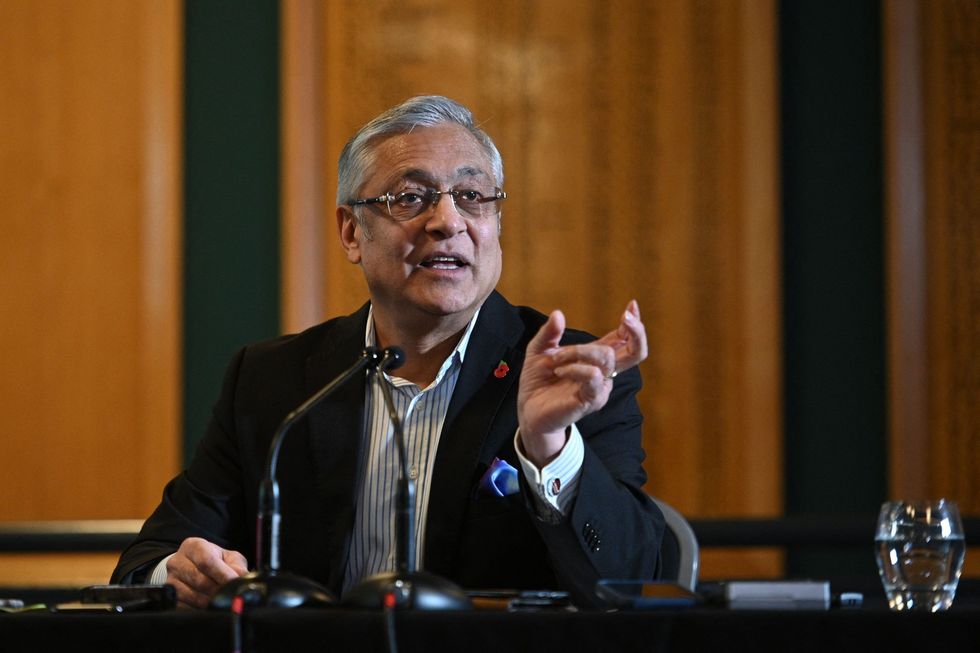 Lord Kamlesh Patel director and new chair of Yorkshire County Cricket Club. (Photo by OLI SCARFF/AFP via Getty Images)
According to the Telegraph report, the debt is from early 2000s, when Graves had bailed Yorkshire out of a worst financial crisis. In its new conditions after allowing Headingley to host international matches again, the ECB had demanded removal of vetoing "powers" for the Trust.
After having paid six-figure fees to Rafiq and another senior member, former chairman, who left in 2020, says the new legal disputes can crippple the club financially.
"The end result of your ill-considered, indeed reckless, actions is a series of claims against the club (which seem to me to be certain to succeed) which will cost the rumoured total sum of over £3m," Smith wrote to Patel earlier this month. "In a business the size of Yorkshire CCC, this is a huge sum threatening its future viability."
Meanwhile, Patel has accused Smith of attempting to destabilise the club. Smith also says that Patel's proposed reforms will leave Yorkshire vulnerable to "commercial and political manipulation".
However, Rafiq has responded to the dispute and has backed Patel. "I mean you can try and make it out as I am the only person at Yorkshire that’s ever complained of racism or you can look in to facts? Guess some institutions don’t like POC [people of colour] having any say in decision making," he tweeted.