
Key points
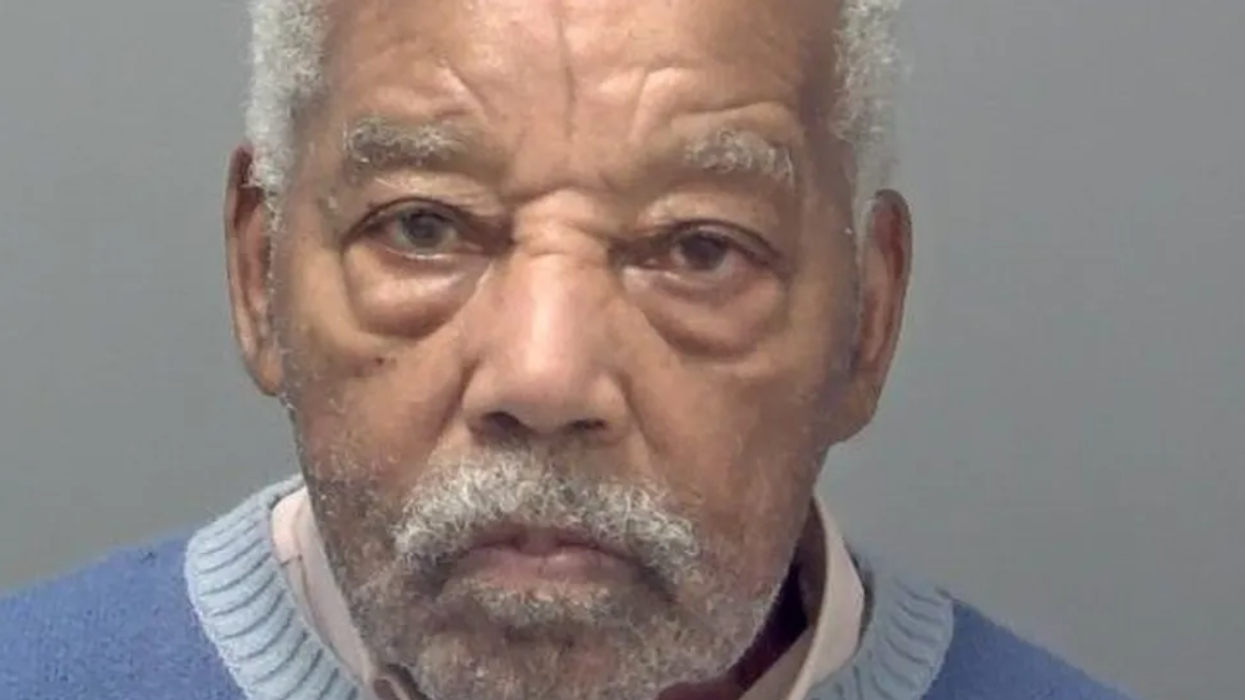
- Ryland Headley, 92, was convicted in 2023 for the 1967 rape and murder of Louisa Dunne.
- Modern DNA testing on preserved evidence led to the breakthrough.
- Headley previously admitted to raping two elderly women and committing multiple burglaries.
- Police are now working with the NCA and other forces to investigate further possible crimes.
- Officers describe him as a “dangerous serial offender” whose full history may still be unknown.
Ryland Headley, a 92-year-old man convicted of a 1967 murder following a cold case breakthrough, is now the subject of wider police investigations. Detectives believe he may be responsible for further unsolved crimes, with similarities in method and victim profile suggesting a disturbing pattern. Headley was convicted of raping and murdering 75-year-old Louisa Dunne in Bristol after DNA evidence linked him to the scene more than five decades later. Avon and Somerset Police are now working with the National Crime Agency and other forces to pursue additional leads.
Cold case solved with modern forensics
The murder of Louisa Dunne in June 1967 shocked the Easton community in Bristol. Despite an extensive investigation, no suspect was identified at the time. It wasn’t until a cold case review in 2023 that investigators made a breakthrough.
Forensic teams re-examined the skirt Mrs Dunne had been wearing, discovering that semen remained on the fabric. When tested with modern DNA profiling, it returned a match to Ryland Headley. His DNA had only been entered into the national database in 2012 following an unrelated arrest.
Police believe this could be the oldest cold case murder ever solved in the UK.
History of offences raises new questions
Ryland Headley was no stranger to law enforcement. In the late 1970s, he admitted to raping two elderly women in Ipswich, aged 84 and 79, and asked for 10 burglaries to be considered during sentencing. In each case, his victims were elderly or middle-aged women living alone.
Although these crimes were not initially linked to Mrs Dunne’s death, police now say the pattern was “eerily similar”.
Detective Inspector Dave Marchant, from the major crime review team, said: “It was eerily similar – the method of entry, the offences that these women were subjected to and the demographic. I would describe him as a serial offender and a dangerous serial offender at that.”
Further offences under review
With Headley now convicted, police have widened their investigation. Avon and Somerset Police are collaborating with the National Crime Agency and other UK forces to identify whether other cold cases could be connected to him.
“We are working with colleagues across the country to try to uncover any other offences we can potentially bring him to justice for,” DI Marchant said.
Heidi Miller, regional forensic coordinator, questioned whether Mrs Dunne’s murder was Headley’s first serious offence. “Such a brutal crime is not usually a first offence,” she said. “I wonder, what else has he been involved in through the years?”
Outward appearance masked true nature
Despite his past, Headley was considered by neighbours to be a gentle and friendly figure in later life. Known for chatting about gardening and his pet cat, few suspected the crimes he had committed decades earlier.
DI Marchant cautioned against being deceived by appearances: “Some people are capable of the most disgusting, abhorrent things and can still present an outward appearance of normality – and that’s the case with Mr Ryland Headley.”
Headley is due to be sentenced at Bristol Crown Court for the rape and murder of Louisa Dunne.