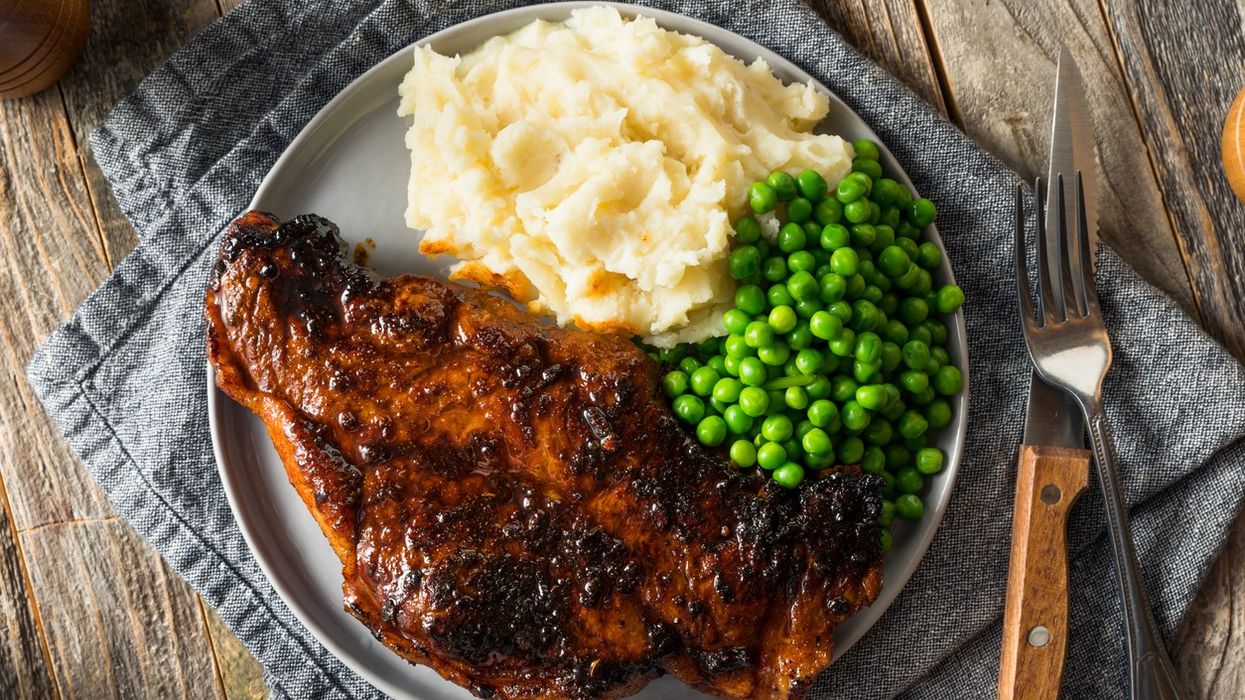

Wetherspoons, the popular British pub chain known for its affordable food and drink, is set to remove some of its best-loved meat dishes from menus across the UK. The decision will see steak, mixed grills, and gammon disappear by May 2025, according to an email sent to staff by CEO John Huston. The move is part of the company’s strategy to combat rising meat prices, with these items reportedly being its “biggest loss-makers.”
Rising costs force menu changes
In the email, Huston explained that increasing meat prices have made it difficult for Wetherspoons to keep offering these dishes at prices that appeal to its budget-conscious customers. After much internal discussion, the company decided to cut the three meat dishes from the menu. Huston said, “After much debate, steaks, mixed grills, and gammon are being removed from the menu. A new gourmet burger range and the introduction of a 6oz burger patty as the standard size will replace them.”
This decision reflects broader financial challenges facing the hospitality sector, including inflation, rising food costs, and wage increases. For Wetherspoons, which prides itself on offering low-cost meals, the surge in meat prices has proven unsustainable. The company has been forced to make tough choices to preserve profitability, and cutting these loss-making items is one part of its cost-saving efforts.
Popular dishes face the axe
The removal of steak, mixed grills, and gammon will be disappointing for many loyal Wetherspoons customers. Steak nights, held on Tuesdays, have been a popular feature at the chain, offering great value. A source revealed that rumours of these cuts had been circulating for some time, but the email confirmed the decision.
“They’re the biggest loss-makers in the whole of Wetherspoons,” the source said. “Over the last few years, the price of steak has risen, but it’s still good value. I don’t think they’ll advertise this decision much—Tuesday steak nights are going too.”
For many customers, these traditional pub meals are a key part of the Wetherspoons experience. Their removal may be met with disappointment, especially among regulars who enjoy a hearty meal alongside their pint.
Streamlining kitchen operations
For Wetherspoons’ kitchen staff, the removal of these labour-intensive dishes could help streamline operations. Steak, mixed grills, and gammon require significant time and effort to prepare, particularly during busy periods. Cutting these items may simplify the kitchen processes, allowing staff to focus on more efficient menu offerings.
“It’ll make things easier for the kitchen staff,” the source added. “Wetherspoons has struggled since COVID. The big push is getting every pub to profitability, but with wage increases coming in April, they’re trying to tighten belts.”
The hospitality industry has been under significant financial pressure since the pandemic. Many pubs and restaurants faced closures during lockdowns, and even as restrictions eased, changing customer behaviours and economic challenges continue to impact the sector. Wetherspoons' decision to remove these meat dishes is part of a broader strategy to cope with these difficulties.
New gourmet burgers: The replacement
To replace the meat dishes, Wetherspoons will introduce a new gourmet burger range, set to launch in May. The range will feature a 6oz burger patty as the new standard size. Burgers have long been a popular menu item at Wetherspoons, and the introduction of a gourmet option is intended to give customers a premium alternative at an affordable price.
The company hopes the new burgers will attract a wide range of customers while being easier and cheaper to produce than steaks or mixed grills. However, it remains to be seen whether this new offering will compensate for the loss of the much-loved traditional dishes.
Navigating financial pressures
Wetherspoons, like many businesses in the hospitality sector, faces considerable financial challenges. The cost of ingredients, especially meat, has risen dramatically in recent years, and the chain has struggled to keep these items on the menu at low prices.
The pandemic only exacerbated these issues, as the hospitality industry endured long closures and losses. Even with the sector reopening, rising food costs and upcoming wage hikes have made it difficult for businesses to return to pre-pandemic levels of profitability.
Looking ahead, the introduction of the gourmet burger range will be Wetherspoons' next step in trying to navigate the challenging economic landscape. Whether this will satisfy customers who loved the traditional steak and mixed grills remains to be seen.