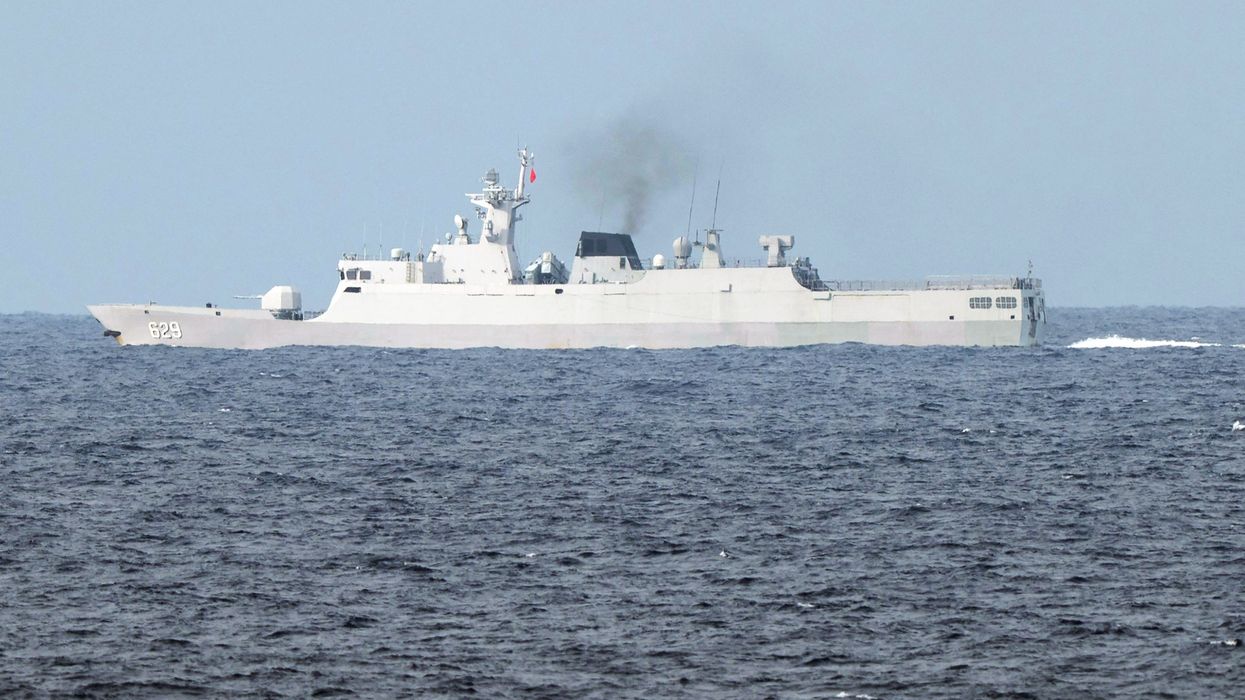

A Chinese research vessel was detected operating in the Bay of Bengal near Indian waters while attempting to conceal its presence by disabling its Automatic Identification System (AIS), according to a report by The Economic Times, citing French maritime intelligence firm Unseenlabs.
The French company conducted a 16-day satellite-based survey tracking ships through radio frequency emissions. It monitored 1,897 vessels, with 9.6 per cent showing no AIS activity, indicating attempts to avoid detection. The survey raised concerns amid increased Chinese activity in the region.
One Chinese research ship drew attention due to its repeated presence in the Indian Ocean and proximity to areas of recent naval operations. “While not broadcasting AIS, its RF signature was consistent and traceable, enabling our systems to monitor its movement over several days … We suspect that this prominent Chinese research vessel was likely operating with strategic intent,” the report quoted Unseenlabs.
The company said the vessel was likely engaged in seafloor mapping, acoustic environment analysis, and identifying submarine transit corridors—activities that can support surveillance and anti-submarine warfare operations.
The Indian Navy and Coast Guard have consistently reported Chinese research vessel presence. In this instance, the vessel was in international waters, 120 nautical miles from Indian military zones.