Skip to content
Search

Latest Stories

Unemployment rises sharply, exceeds forecast

The ONS reported that the unemployment rate increased to 4.3 per cent in the third quarter, up from 4 per cent in the three months ending in August.

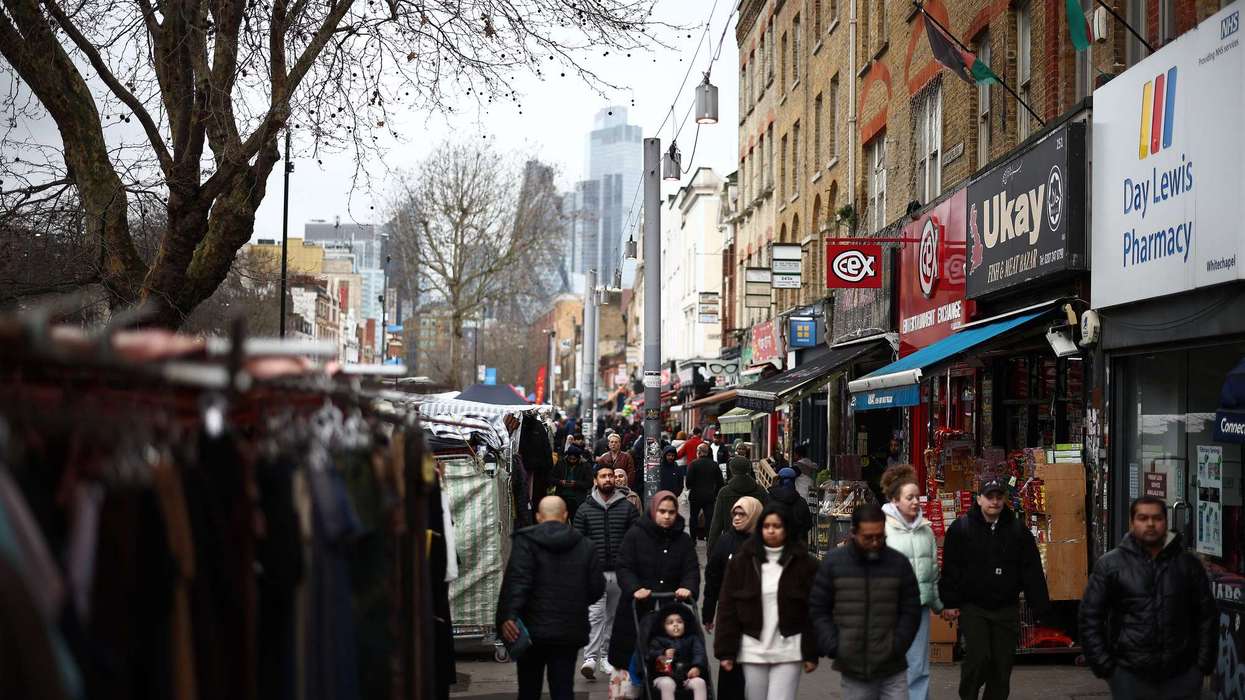
Commuters cross London Bridge on October 15, 2024. (Photo by Dan Kitwood/Getty Images)

UNEMPLOYMENT in the country has risen more than analysts anticipated, according to official data released Tuesday, with businesses signalling concerns over slowing job growth after the new Labour government raised business taxes in its latest budget.

The Office for National Statistics (ONS) reported that the unemployment rate increased to 4.3 per cent in the third quarter, up from 4 per cent in the three months ending in August. Analysts had predicted a smaller rise, expecting the rate to reach 4.1 per cent.


The ONS also noted that average regular wage growth slowed to 4.8 per cent, marking its lowest level in over two years as overall inflation returns to more typical levels.

This data follows the government’s recent increase in national insurance, a tax affecting companies, as part of its main budget at the end of October.

Isaac Stell, investment manager at Wealth Club, commented on the figures, noting that the higher-than-expected unemployment rate “serves as a warning sign to the government following on from the budget, where businesses saw a large increase in the level of national insurance contributions.” He added, “If these additional costs restrict hiring and cause jobs to be lost, its so-called growth agenda will be further scrutinised.”

In addition to raising taxes, Keir Starmer’s new administration has proposed increased borrowing, which it plans to invest in infrastructure projects aimed at stimulating economic growth in the UK.

(With inputs from AFP)

More For You

British Steel nationalisation

The UK government is expected to announce full British Steel nationalisation in the king’s speech

Getty Images

Why the UK government is moving to fully nationalise British Steel after years of crisis

  • The UK government is expected to announce full British Steel nationalisation in the king’s speech.
  • British Steel’s Scunthorpe plant operates the country’s last remaining blast furnaces.
  • Rising losses, Chinese ownership tensions and fears over industrial security pushed the government towards intervention.

For decades, the giant blast furnaces towering over Scunthorpe stood as symbols of Britain’s industrial strength. Now, they are becoming symbols of something else entirely — the struggle to keep the country’s steel industry alive in a rapidly changing global economy.

The UK government is expected to formally move towards full nationalisation of British Steel in the upcoming king’s speech, marking another dramatic turn in the long and turbulent history of one of Britain’s most politically sensitive industrial businesses.

Keep ReadingShow less