
- The student loan repayment threshold will be frozen for three years from April 2027.
- Graduates could see around £250 extra deducted from their salary each year.
- Middle-income earners may feel the biggest impact over the long run.
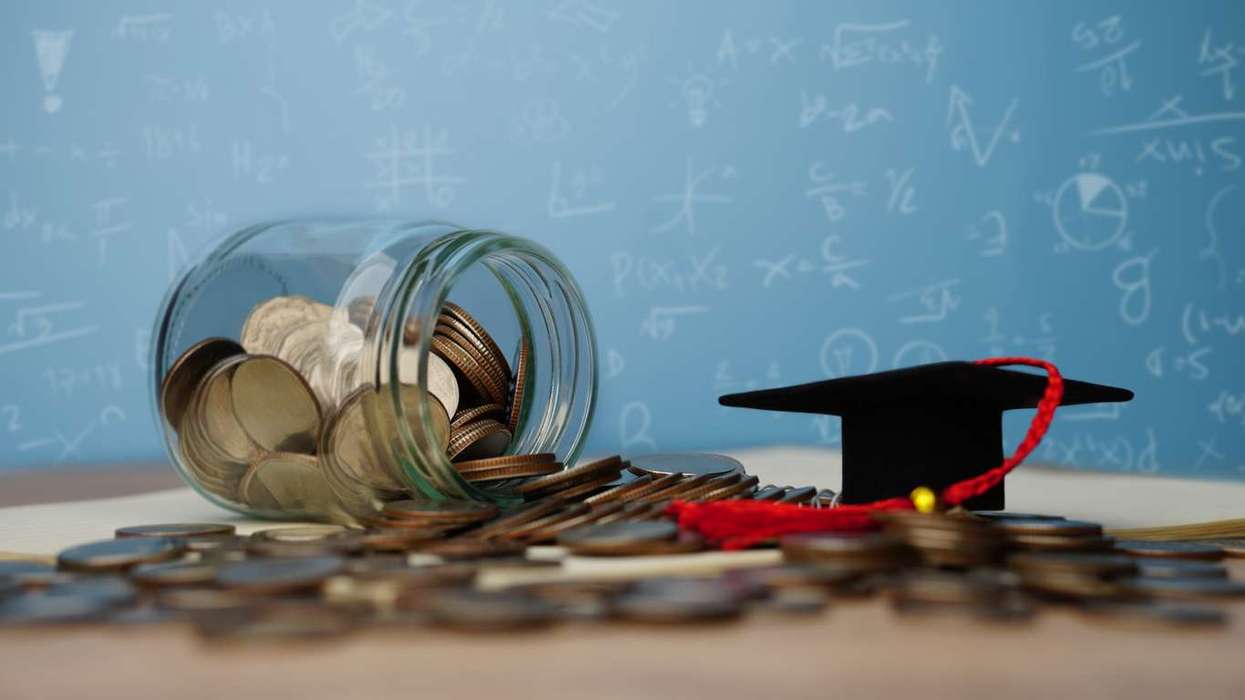
A planned freeze on the UK student loan repayment threshold could leave many graduates paying more out of their salaries over time. The measure, announced by Chancellor Rachel Reeves in the November budget, will affect borrowers with Plan 2 student loans — the scheme used by most university graduates from the past decade.
Under the policy, the income level at which graduates start repaying their student loans will rise slightly to £29,385 by April 2027. After that, the threshold will be frozen for three years until 2030.
On paper the change looks small. But financial experts say holding the threshold steady while wages rise could gradually pull more people into making repayments or increase how much they pay each month.
Charlene Young, senior pensions and savings expert at AJ Bell, said the impact will differ from person to person. However, she suggested many graduates could notice larger deductions appearing on their payslips over time.
“Our estimates show that graduates could easily find themselves facing an additional £250 a year of payslip deductions by the time the threshold rises again in 2030,” Young reportedly said in a news report.
Why the middle earners may feel it most
The debate largely focuses on Plan 2 student loans, which were issued to students who started university between 2012 and 2023, when tuition fees rose to £9,000 a year.
Graduates on this plan repay 9 per cent of their income above £28,470, the current threshold. Interest is then added at the Retail Prices Index (RPI) plus up to 3 per cent, depending on earnings.
Because interest continues to build, many borrowers see their overall loan balance grow even years after leaving university, despite already making repayments.
Young suggested the threshold freeze may not affect everyone equally. Lower earners, whose income remains below the repayment level, will continue paying nothing.
However, some workers who might otherwise have slipped below the threshold as it rose with inflation could now find themselves drawn into making repayments.
“For those with higher incomes the changes mean an unwelcome extra deduction from their pay,” Young reportedly said in a news report.
A long-term cost that could add up
The longer-term effect may be even more significant. If someone makes student loan repayments throughout the full 30-year repayment period, the additional deductions could accumulate.
Young estimated that the freeze could mean almost £10,000 in extra repayments over the lifetime of the loan for some graduates, although she noted the final figure is uncertain and depends heavily on inflation and earnings growth.
Those in the middle of the income scale may be hit hardest. According to Young, many of these borrowers repay the loan for decades but never fully clear the balance before it is eventually written off.
“For those that never repay the loan but endure the cost of higher repayments over 30 years, this change is very bad news,” she reportedly said in a news report.
The change will not affect students on Plan 5 loans, which apply to those who started university from 2023 onwards.
Even so, the policy has already sparked debate among graduates and financial advisers about whether the freeze could quietly increase the long-term cost of student borrowing for a large group of workers.