
- Ofgem has confirmed a 26 per cent increase in the energy price cap from January 1, adding £443 to the typical annual household bill.
- Around 20 million households in England are set to receive a one-off £100 payment, with councils starting payments from January 4.
- Households outside council tax bands A to D could still receive help through a £100 million discretionary fund.
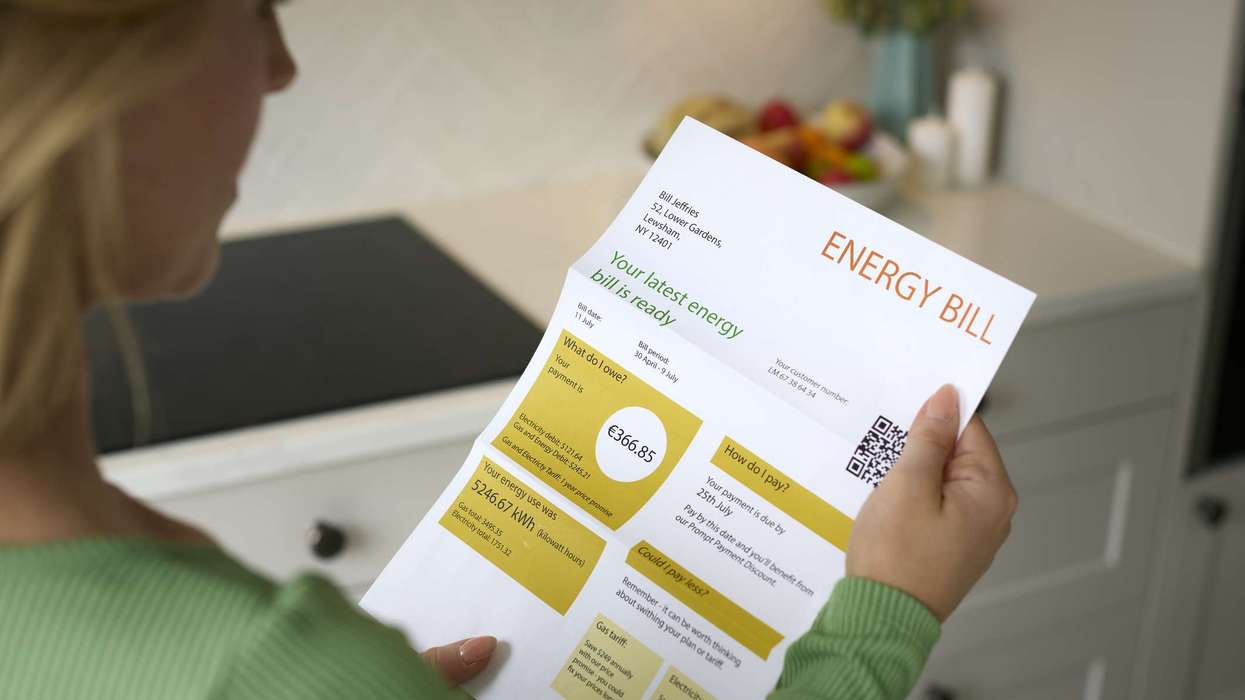
UK households are facing another increase in energy bills from January, with the latest Ofgem energy price cap rising by 26 per cent to £2,166 a year for a typical household using both gas and electricity. The £443 annual increase comes as the government prepares to distribute a one-off £100 Household Energy Payment to millions of families, raising questions about how much relief the support will actually provide.
The new price cap, which takes effect on January 1 and runs until March 31, will increase the annualised cost of energy from £1,723 to £2,166 for a typical dual-fuel household paying by direct debit. This works out at an additional £36.91 a month if the new rates were maintained throughout a year.
However, the £2,166 figure is not a fixed bill or a maximum amount households can be charged. Ofgem's cap limits the unit rates and standing charges suppliers can apply to customers on standard variable tariffs. Actual bills will depend on how much energy a household uses, where it lives and its payment method.
Around 20 million households on standard variable tariffs are expected to be affected by the increase. Those on fixed-rate deals will not face the change while their existing tariffs remain in place.
The latest increase follows a 4 per cent rise in October and comes as wholesale gas prices have climbed amid escalating conflict in the Middle East. Although market prices have eased in recent weeks, the movement came too late to influence the calculation for the January cap.
Ofgem said the rise was largely driven by higher international gas prices, with the regulator warning that the increase would be a concern for households heading into winter.
Who will receive the £100 energy payment and when?
The government is preparing a one-off £100 Household Energy Payment for eligible households in England, with local authorities expected to begin distributing the money from January 4.
The scheme is designed to reach around 20 million households living in properties in council tax bands A to D that are used as their main or sole residence. According to the government's latest guidance, around 13 million households will receive the money automatically into their bank accounts, provided their councils already hold verified direct debit details.
Households that do not pay council tax by direct debit will not necessarily miss out. Their local authorities will contact them with instructions on how to provide bank details and receive the payment. Eligible residents will generally be able to choose between a direct bank transfer and a credit towards their council tax account.
The scheme will remain open until May 31, 2027, giving councils several months to complete payments.
Those living in council tax bands E to H will not qualify for the main payment. However, the government has allocated a separate £100 million Discretionary Fund to help households facing particularly high energy costs. Councils will decide their own eligibility criteria, with support intended for vulnerable residents who might otherwise fall outside the main scheme.
This could include larger families, pensioners living in bigger homes with high heating requirements and people in other financially difficult circumstances. Councils have been asked to publish details of their discretionary schemes by February 12.
The support arrangements also extend beyond England. Scotland and Wales have received additional funding through the Barnett formula to develop equivalent or similar schemes, although the arrangements are for their respective governments to determine.
Will the £100 payment cover the increase in energy bills?
For households receiving the payment, the immediate support will cover only part of the increase.
The difference between the £443 annualised rise and the £100 payment is £343. In other words, the payment represents less than a quarter of the additional annual cost at the new price cap level.
However, the comparison needs some context. The £443 is an annualised estimate based on the January price cap being maintained for 12 months, whereas the new rates initially apply only from January to March. Ofgem will review the cap again before April, so the actual cost over the year could change.
The £100 payment is also only one part of the government's wider package of energy support.
The temporary removal of VAT from domestic electricity bills has been extended until June 30, 2027. The government estimates this will save a typical household around £50 a year compared with what it would otherwise pay. Around six million eligible low-income households will also receive the £150 Warm Home Discount this winter.
Ministers have also pledged to remove gas standing charges within this Parliament, while the government is working on changes to the way electricity standing charges are structured.
For households that rely on heating oil or liquefied petroleum gas, more than £50 million in targeted support has also been announced.
But campaigners argue that one-off payments and temporary tax measures may not be enough to address the underlying affordability problem.
Simon Francis, coordinator of the End Fuel Poverty Coalition, said the government should invest more in helping households move away from gas and reduce their exposure to volatile international energy markets.
He reportedly said it was not too late for ministers to introduce further measures that could make a difference this winter.
Energy Secretary Miatta Fahnbulleh said the government recognised the concerns surrounding another increase and was working towards reducing dependence on fossil fuels through investment in cheaper, homegrown energy.
For households already struggling to keep up with payments, Ofgem has urged consumers to contact their energy suppliers rather than allow debts to build up. Suppliers are required to offer appropriate support, including affordable repayment arrangements where needed.
The regulator has also encouraged households to review their existing tariffs and compare available deals. Moving to a fixed-rate tariff could offer greater certainty for some customers, although the savings will depend on the deal available and individual energy use.
Ofgem has additionally pointed out that customers paying by standard credit could save around £160 a year on average by switching to direct debit, although this will not be suitable for everyone.
With the January increase now confirmed, households face another winter of managing higher energy costs. The £100 payment should provide some immediate assistance to eligible families, but the difference between the support on offer and the projected rise suggests that many will still need to find ways to manage their energy spending.